Before a Blizzard Hits: What Every Driver Should Know
Learn how to prep your car, handle dangerous whiteout conditions, and stay safe if you become stranded in a storm


Quick summary
- The safest choice during a blizzard is to stay off the roads unless travel is absolutely necessary.
- Before driving, check the forecast, tell someone your route and arrival time, prepare your vehicle, and pack winter emergency supplies.
- If visibility or road conditions become unsafe, pull over in a safe location, stay inside your vehicle, and use your hazard lights while stopped.
- If you must keep moving, drive slowly, increase following distance, and avoid sudden braking or acceleration.
- If stranded, stay with your vehicle, conserve warmth, keep the exhaust pipe clear before running the engine, and make your car visible to rescuers.
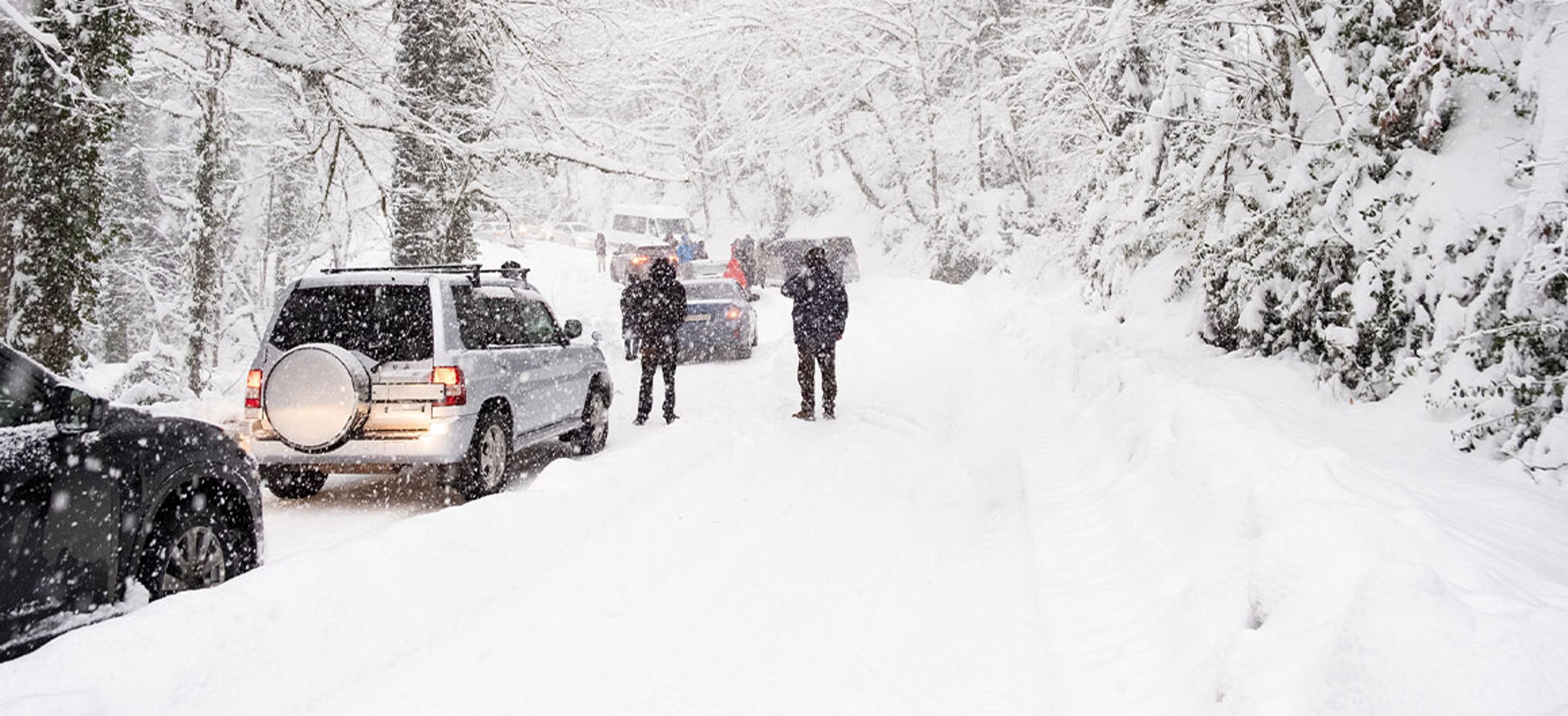
Imagine trying to drive through a snow globe that’s just been shaken. That’s what it can feel like when you’re driving in a blizzard!
Blizzards are the most intense winter storms, and surprisingly, they can happen even when no snow is falling. To be classified as a blizzard, a storm must have either snow falling or blowing around, sustained winds stronger than 35 miles per hour, and visibility of less than a quarter-mile for at least three hours.
Why are blizzards so dangerous?
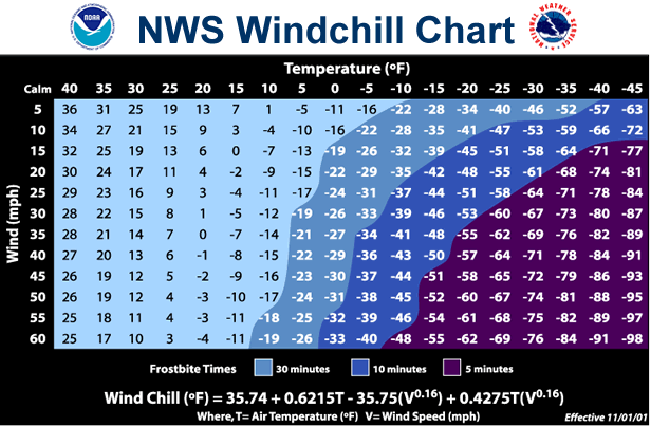
Each year, about 15 percent of weather-related vehicle crashes happen during snowfall or sleet, according to the Federal Highway Administration. When you’re driving in a blizzard, conditions can turn life-threatening fast. Strong winds combined with bitterly cold air can create dangerously low wind chills, often well below freezing. When exposed to that kind of cold, you run a real risk of hypothermia or frostbite, which can set in within minutes.
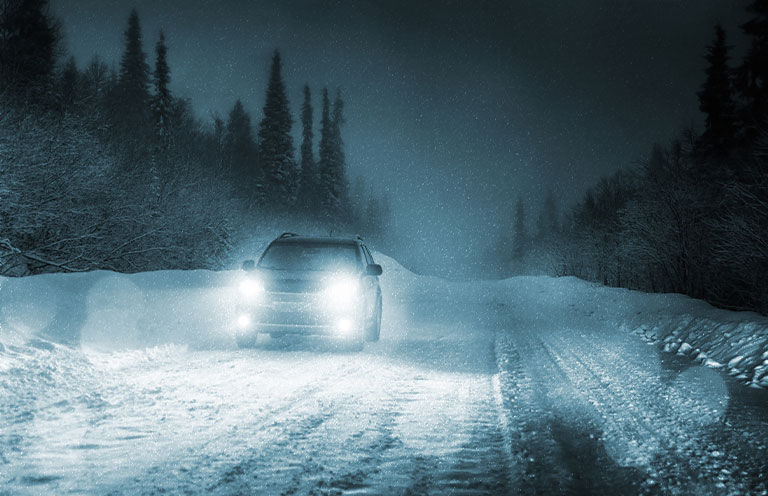
In addition, blizzards can make it easy to lose your bearings. Whipping or drifting snow can create whiteout conditions that reduce visibility to nearly zero. You may not be able to see even a few feet ahead—making driving in a blizzard during a whiteout extremely dangerous.
What to know if you must drive during a blizzard
The most effective travel precaution you can take during a blizzard: Stay off the roads entirely. Of course, that’s not always possible in an emergency or for critical workers. If you must drive in blizzard conditions, here’s how to prepare:
Know the forecast
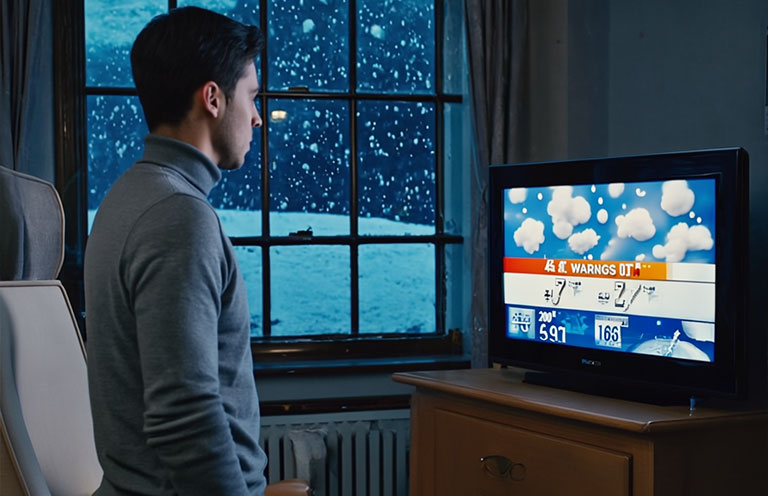
Check a trusted weather source before and during a winter storm. Get a sense of its timing, when conditions will be worst, and try to plan around that.
Communicate your plans
Let someone know where you’re going, the route you’re taking, and your estimated arrival time so that your location can be more easily identified if necessary.
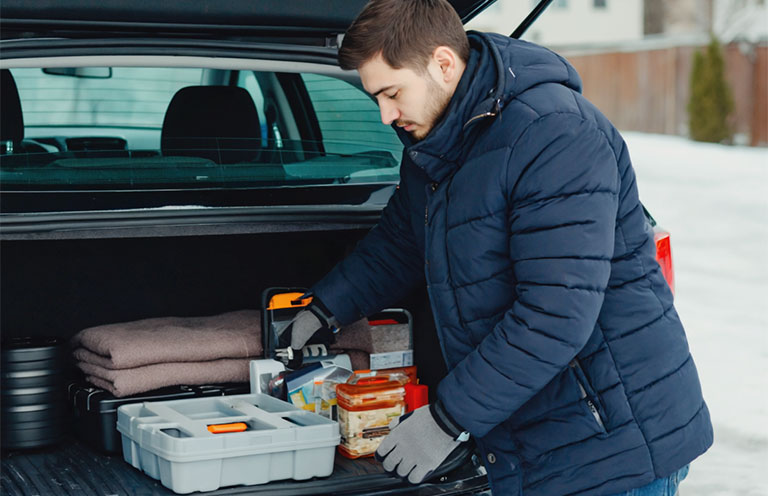
Pack basic supplies
Keep tools and essentials in your vehicle to be prepared for winter emergencies. Your roadside emergency kit should include at least the following:
- jumper cables
- snow scraper and brush
- shovel
- bag of traction material—such as kitty litter, salt, or sand
- reflective triangles and road flares
- flashlight
- first-aid kit
- bottled water and nonperishable snacks
- warm blanket
- phone charging cable and/or power bank
Also consider purchasing an emergency road kit that combines many of these essentials in one convenient package.
Prepare your car
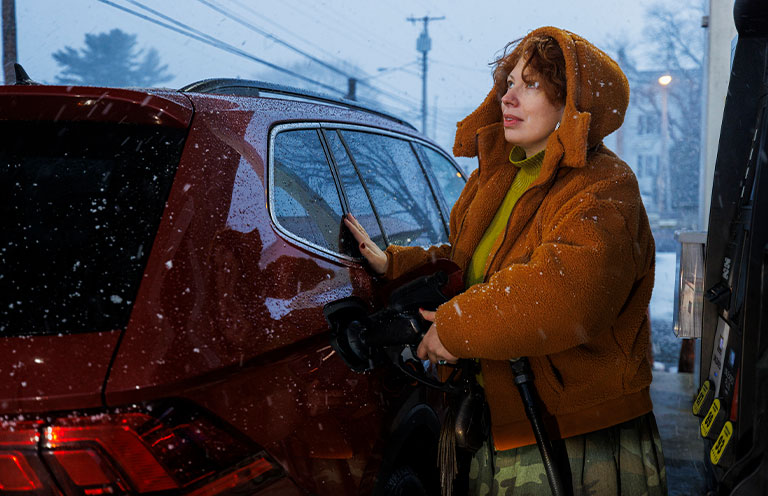
Safe winter driving starts before you hit the road. Make sure your headlights, taillights, and fog lights work properly—not only so that you can see while driving in a blizzard, but so that others can see you. Check that your windshield wipers can handle heavy snow and ice and top off your washer fluid. If you live in an area prone to severe winter storms, consider switching to winter tires and keeping your gas tank at least half full to prevent fuel line freeze-up.
Warm up your vehicle
Fully defrost your windows before putting the car in drive to maximize visibility.
What to do if you get caught driving in a blizzard
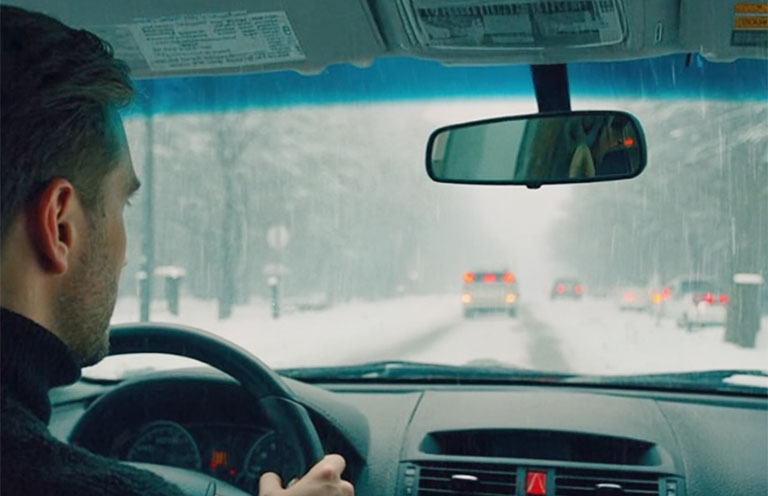
If you get caught driving when blizzard conditions hit, stay calm and focused so that you can make smart decisions.
Pull over when it’s unsafe to continue
In a blizzard, visibility can drop to near zero and roads become dangerously slick. Even the most winter-ready vehicles can lose traction on ice. If conditions worsen, get off the road as quickly and safely as possible—ideally at a rest stop, in a parking lot, or on the shoulder if safe to do so. Once you’ve stopped, stay in your vehicle for shelter. It provides protection from the cold, wind, and blowing snow while you wait for conditions to improve, for help to arrive, or for the blizzard to pass.
Use your hazard lights correctly
Hazard lights signal to other drivers and emergency services that your vehicle has stopped or become disabled. Turn them on if you’ve pulled over or if your car can’t move safely. Avoid using them while driving, as blinking hazards on a moving vehicle can confuse other drivers.
Practice patience and drive slowly
You can’t outrun a blizzard. Expect delays and allow yourself plenty of extra time to reach your destination. Drive safely below the speed limit, increase your following distance, and avoid sudden braking or acceleration to maintain control.
What to do if you get stranded while driving in a blizzard
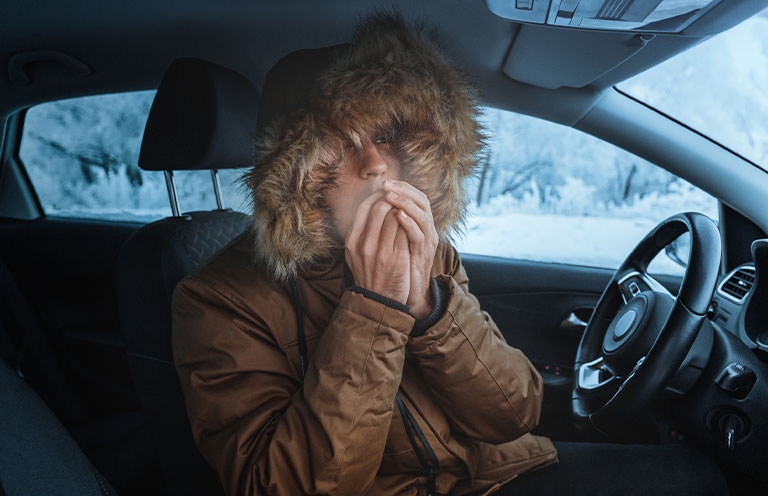
Whether your car gets stuck or conditions have deteriorated to the point you can’t safely drive, a few key steps can help you stay as warm and safe as possible.
Shelter in place
If you’ve pulled over in a blizzard and there’s no building nearby, your vehicle becomes your shelter. Stay inside it at all costs. Don’t wander away; blowing snow and near-zero visibility can make it dangerously easy to lose sight of your car.
Insulate your body
Layer anything you have available on and around yourself to retain body heat. Blankets, coats, and even floor mats can help keep you warm.
Use your car heater cautiously
If it’s safe to run the engine, you can use the heater for short intervals to stay warm. Just make sure the exhaust pipe is completely clear of snow or ice to prevent carbon monoxide from building up inside the car and creating a deadly situation. Crack a window slightly for ventilation.
Make yourself noticeable
Attach a brightly colored item—such as a scarf or handkerchief—to your car’s antenna, side mirror, or window. If you have traffic flares or reflective markers in your emergency kit, use them when visibility improves to help rescuers spot you.
.....
If you ever find yourself driving in a blizzard, these tips will help you maneuver through it as safely as possible. But remember, the best way to stay safe during a blizzard is simple: Don’t drive unless you absolutely must.
Frequently Asked Questions
Should you drive during a blizzard?
The safest choice is to stay off the roads unless travel is absolutely necessary. If you must drive, check the forecast and road conditions first, tell someone your route and expected arrival time, and give yourself plenty of extra time to arrive.
How fast should you drive in a blizzard?
Drive well below the posted speed limit and adjust your speed to visibility and road conditions. Increase your following distance, and avoid sudden braking, acceleration, and other abrupt moves that could cause you to lose control.
What should you keep in your car for a blizzard?
A winter emergency kit should include a shovel, a snow scraper and brush, traction material, jumper cables, a flashlight, first-aid supplies, water, nonperishable snacks, warm blankets, and a way to charge your phone. Keeping these items in your vehicle can make a lifesaving difference if you become stranded.
What should you do if your car gets stuck in a blizzard?
Stay inside your vehicle rather than walking away in near-zero visibility. Your car provides shelter from the cold and wind and makes it easier for rescuers to find you.
How do you stay warm if you’re stranded in a car during a blizzard?
Layer coats, blankets, and other available materials around your body to retain heat. If you run the engine for heat, clear snow from the exhaust pipe first, open a window slightly for ventilation, and use the heater only for short periods.
How can you make your car easier for rescuers to find in a blizzard?
Turn on your hazard lights after you’ve pulled over or your vehicle can’t move safely. You can also attach a brightly colored item to the antenna, side mirror, or window to make the vehicle more visible. At night, an interior light can help rescuers spot you.
Is it safe to use your car heater while stranded in a blizzard?
It can be, provided the exhaust pipe is completely clear of snow and ice and you allow fresh air into the vehicle. Carbon monoxide can build up when a blocked exhaust sends fumes back into the passenger compartment, so check the pipe regularly while the engine is running.
How should you prepare your car before a blizzard?
Make sure your headlights, taillights, fog lights, wipers, and windshield washer system are working properly, and fully defrost your windows before driving. In areas that regularly experience severe winter weather, winter tires can also be worth considering, and keeping at least half a tank of gas can provide an added margin of safety.
What should you do if visibility suddenly drops while you’re driving?
Slow down and look for a safe place to get completely off the roadway, such as a rest stop or parking lot. If conditions become too dangerous to continue, stop rather than trying to push through a whiteout.
Should you leave your car if you’re stranded in a blizzard?
Generally, stay with your vehicle unless a safe shelter is very close. Blowing snow can quickly make it difficult to see or find your car, leaving you exposed to dangerous cold while reducing the chances that rescuers will locate you.