Car Seat Safety Guide: When to Change Seats as Your Child Grows
From rear-facing car seats to seat belts, here’s how to know when your child is ready for the next stage of car seat safety
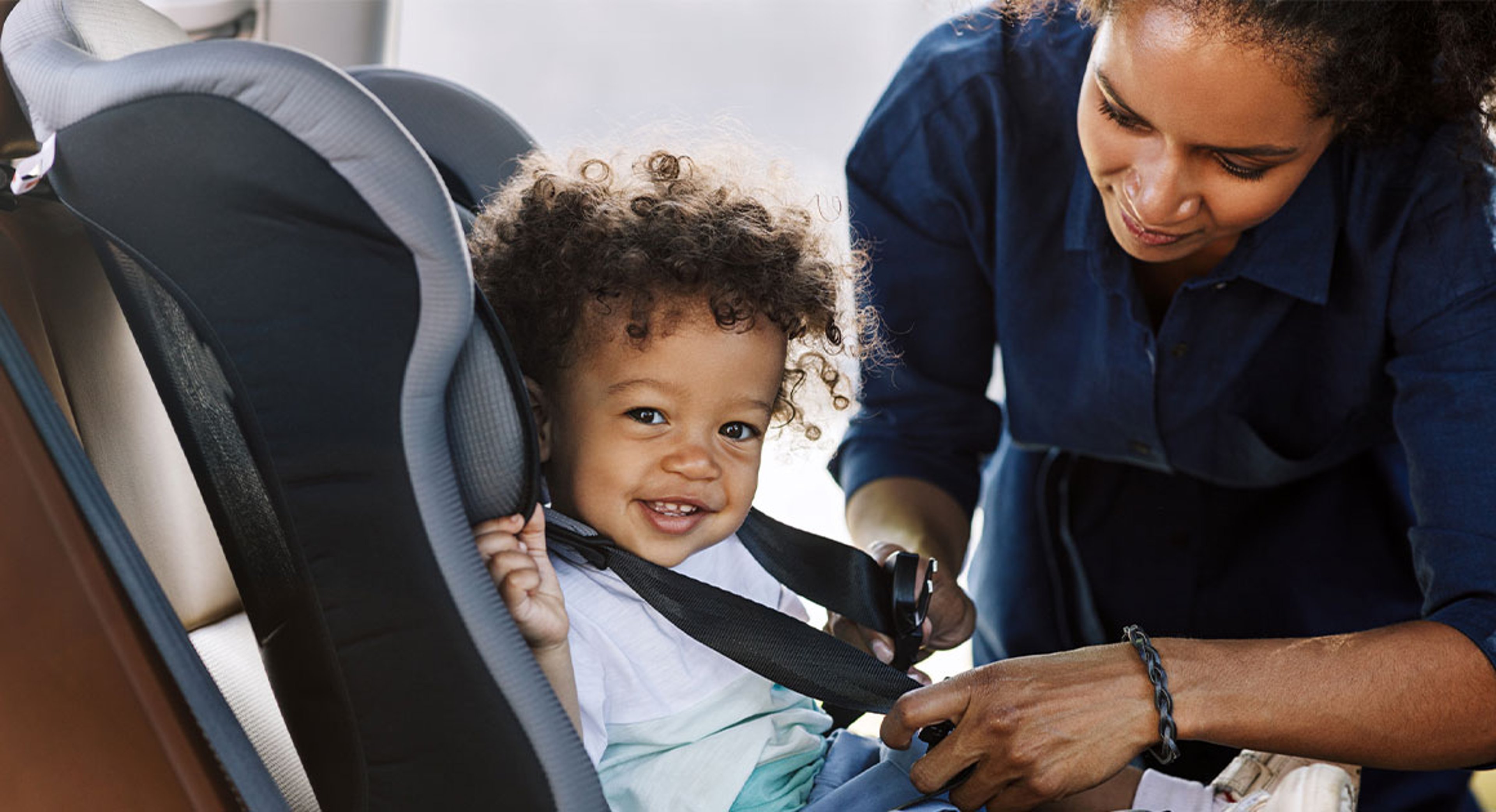

Keeping kids safe in the car is a top priority for parents and caregivers, and car seats play a critical role in protecting them. As children grow, their car seat needs evolve, making it essential to know when it’s time to switch to a new seat or adjust how they’re positioned.
Here are some guidelines to help you navigate car seat milestones.

Rear-facing car seats
Infants typically start out in infant, convertible, or all-in-one car seats, which should be installed rear-facing in the back seat of the vehicle. Rear-facing seats provide greater protection for infants and small children because they better support the head, neck, and spine in a crash.
The National Highway Traffic Safety Administration (NHTSA) recommends that all children under age 1 always ride rear-facing.
After age 1, experts recommend that children remain rear-facing for as long as possible, until they exceed the maximum height or weight limits allowed by the car seat manufacturer.
According to the American Academy of Pediatrics (AAP):
- Infant car seats are often approved for children weighing 22 to 35 pounds and have height limits.
- Convertible and all-in-one car seats may allow rear-facing use up to 40 to 50 pounds, depending on the model.
As a result, many children can safely ride rear-facing until age 3 or 4, or even longer if they still fit the car seat’s height and weight limits.
Additionally, some states require that children remain rear-facing until at least age 2 or until specific age, height, or weight thresholds are met.
Be sure to check the specific car seat laws in your state to ensure compliance.

Forward-facing car seats
Once a child outgrows their rear-facing seat, it’s time to transition to a forward-facing car seat with a five-point harness. These seats are designed to provide strong upper-body protection as kids continue to grow.
Key things to know
Seat types
Many convertible and all-in-one car seats move from rear-facing to forward-facing with a harness.
Harness use
According to NHTSA, children should stay in a forward-facing car seat with a harness until they reach the seat’s height or weight limits.
Age guidelines
The AAP recommends children use a forward-facing seat until at least age 4.

Weight limits
Most forward-facing seats can accommodate children up to 60 pounds or more, which means many kids may use them until around age 6 or 7, depending on the seat.
Seat limits
The exact age a child outgrows a forward-facing seat depends on the specific height and weight limits set by the manufacturer.
Local laws
State laws vary, so again, it’s smart to review your local car seat requirements.

Booster seats
After outgrowing a forward-facing seat with a harness, children transition to a booster seat. Booster seats use the vehicle’s lap-and-shoulder belt to secure the child, and the added height helps position the seat belt correctly across the child’s chest and hips.
Children should ride in a booster seat in the back seat until the car’s seat belt fits them properly without it. According to the AAP, most children are ready to transition out of a booster seat sometime between ages 8 and 12, but the exact timing depends on the child’s height, weight, and how well the seat belt fits.

Seat belts
Children can transition to riding in the back seat using a seat belt once the seat belt fits them properly without a booster.
Most children are ready for a seat belt alone when they reach 4 feet 9 inches (or 57 inches) in height, which usually happens between ages 10 and 12, according to the AAP.
Because the back seat of the car is the safest place for younger passengers, experts recommend that all children ride in the back seat until age 13, even after they no longer need a booster.
Safe Kids Worldwide, a nonprofit focused on preventing childhood injuries, offers a simple seat belt fit test to help caregivers determine whether a seat belt fits a child correctly, noting that belt fit can vary from vehicle to vehicle.
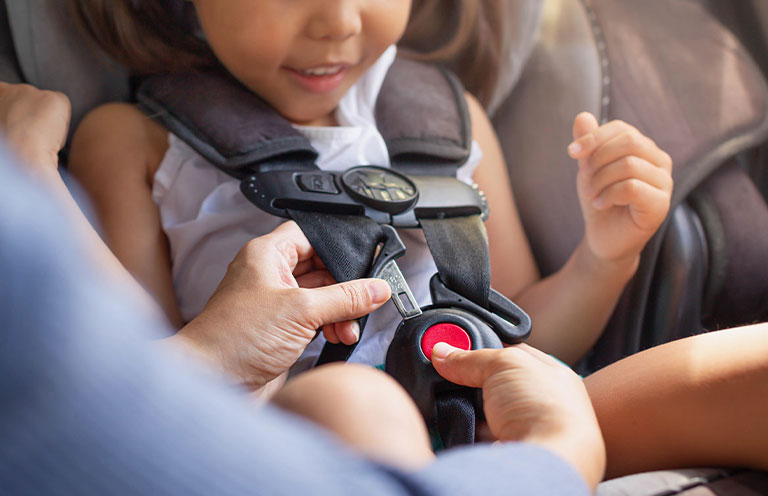
Additional resources
Finding height and weight limits
These limits are typically listed on a label placed directly on the car seat and in the manufacturer’s instruction manual.
Car seat installation help
If you’d like help installing or checking your child’s car seat, you can find a local certified technician (CPST) through the NHTSA website. Nonprofit organizations such as Safe Kids and the National Safety Council’s National Child Passenger Safety Board can also provide resources on car seat checks and answer car seat questions.
Many fire departments and police departments offer free one-on-one car-seat education and installation checks. Availability varies, so it’s best to call your local department ahead of time.
Asking for guidance from your pediatrician
If you’re unsure when to transition your child to a new seat or position, your pediatrician can offer guidance based on your child’s age, size, and needs.
Also, keep in mind that car seats have expiration dates (typically 6 to 10 years from the manufacture date, depending on the brand and model), and remember that any seat involved in a moderate or severe crash often needs to be replaced.
When it comes to car seat safety, taking the time to make the right transition at the right time helps ensure every trip is as safe as possible for your growing child.