What Temperature Does Gasoline Freeze?
Gasoline freezes between -40F and -200F, though the chances of this happening are pretty low
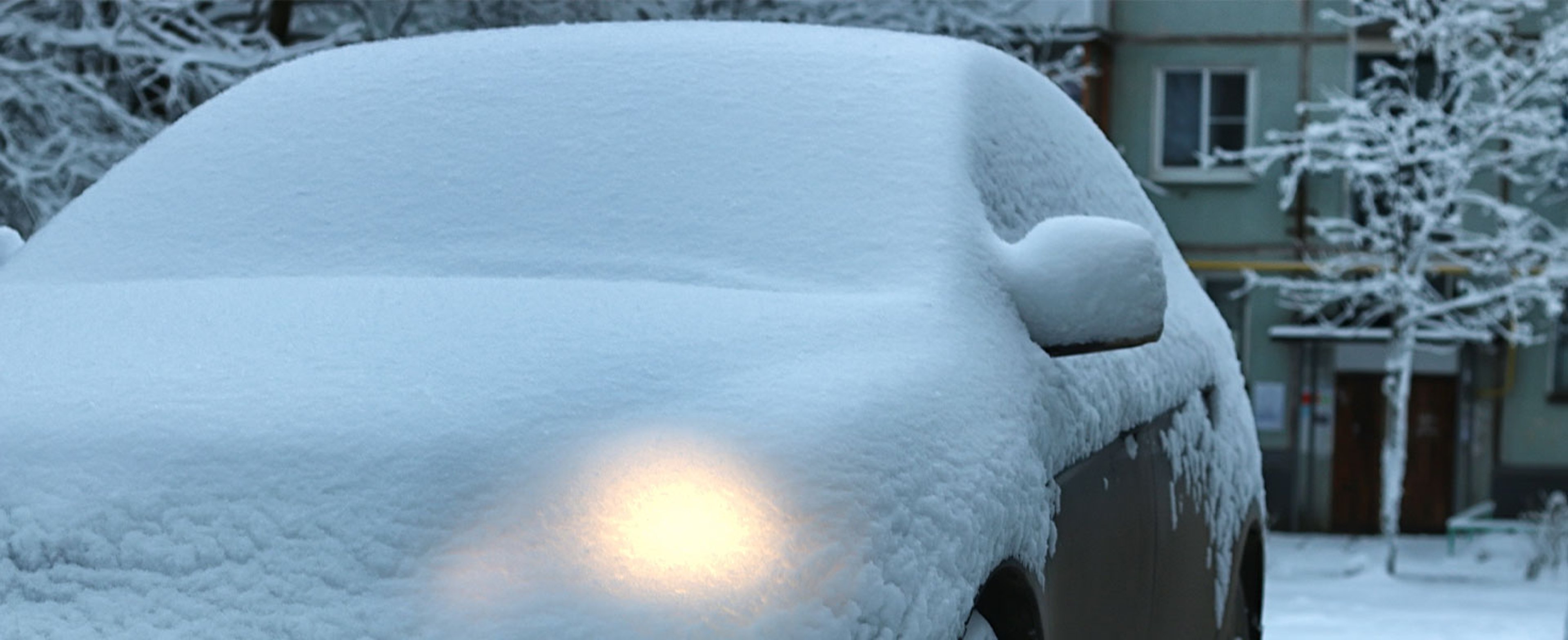

When harsh winter temperatures strike, vehicles parked outdoors often struggle with frozen door handles, drained batteries, and extended warm-up times — all of which add unwanted disruption to daily routines and commutes. It is no surprise, then, that many drivers begin to wonder whether gasoline itself can freeze in extreme cold. While technically possible, the likelihood is extremely low. Gasoline has a remarkably low freezing point, typically ranging from approximately -40°F to as cold as -200°F, depending on its specific formulation. Because each oil company relies on its own proprietary blend of additives and chemicals, this range can vary considerably across fuel types. Although fully frozen gasoline is unlikely to affect most drivers, extreme cold can still impair fuel performance — sometimes causing a vehicle to run sluggishly or struggle to start until the engine reaches an adequate operating temperature — which can give rise to several common fuel-related issues when temperatures drop below zero.
What Problems Can Gasoline Cause in Below-Zero Temperatures?
Condensation in the tank
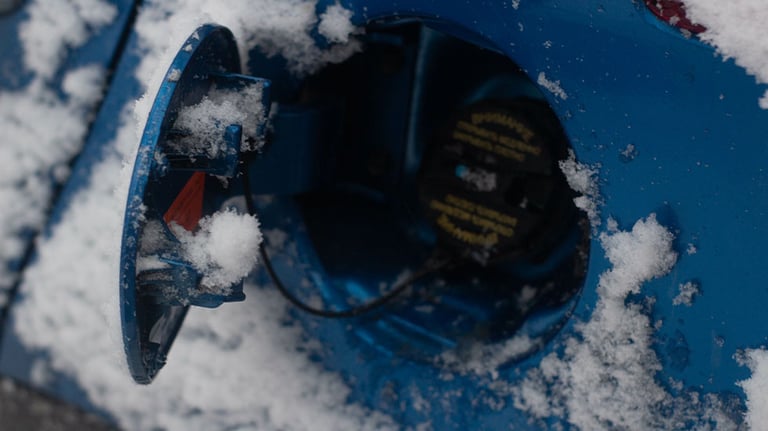
Many experts recommend that prior to dramatic temperature drops, drivers fill their gas tanks to at least a quarter full. While it's nearly impossible for the gas inside your tank to freeze, the air left inside your gas tank has moisture in it. If temperatures drop low enough, it could cause that moisture to crystallize, falling into your gasoline and potentially clogging your fuel filter.
Crystallization of gasoline
While gas may not freeze very easily, the specific elements and additives of each gasoline may enter the early stages of crystallization under certain conditions. The most common example of this is coagulation of fuel within the fuel lines in extremely low temperatures. Typically, once a vehicle is running and generating heat, this won't be an issue.
Clogged fuel filter
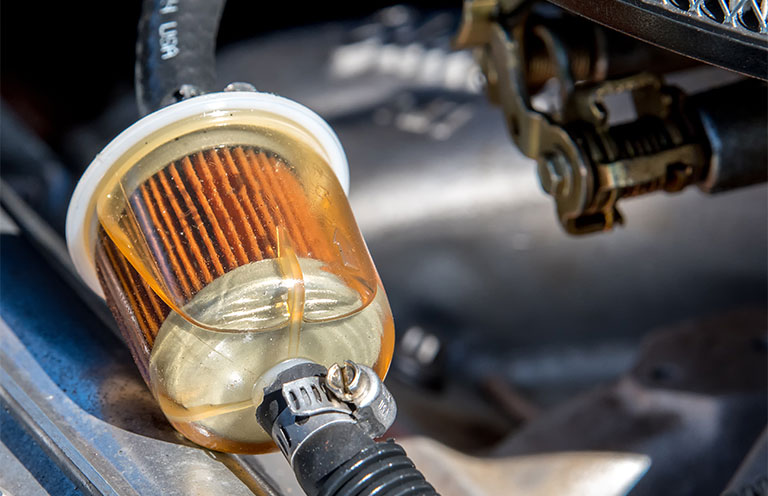
Even if the impurities in your fuel don't clog your fuel filter, when those impurities freeze or begin to coagulate in freezing conditions, they can easily do just that. If you notice your engine has difficulty starting or running or provides sluggish power under freezing conditions, you may have a clogged fuel filter.
. . . . .
The good news is that it likely won’t ever get cold enough where you live to worry about the temperature gasoline freezes. But, if it’s cold enough that you’re concerned, parking in a garage or other safe shelter may help you avoid some of the other vehicular annoyances subzero weather can bring.