How Temperature Changes Affect Your Tire Pressure
Even a small temperature drop can affect tire pressure and wear, fuel efficiency, and your safety. Here’s how to keep your tires properly inflated year-round
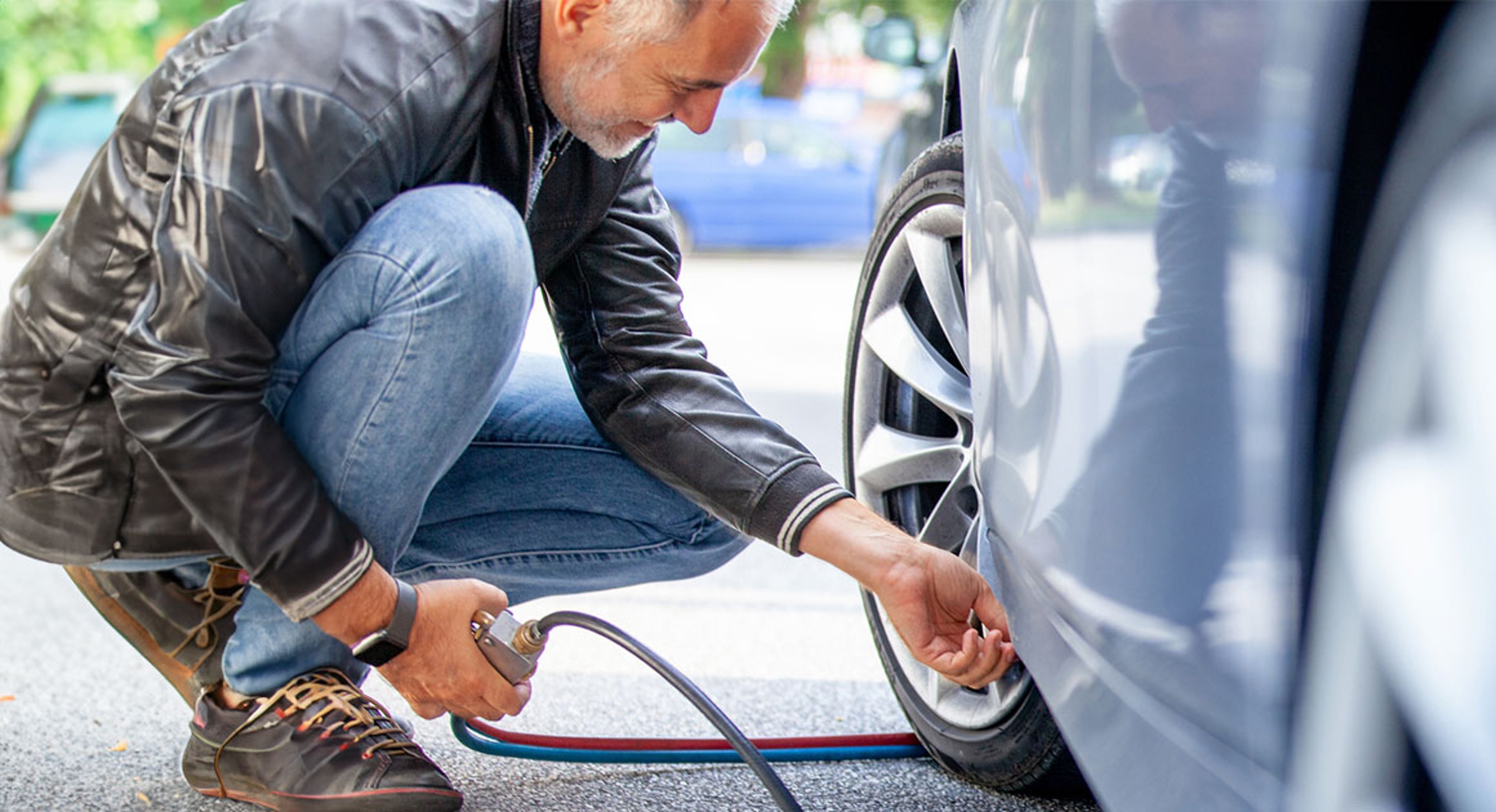

While dramatic blowouts and pesky nails in the road are common causes of tire pressure loss, another sneaky factor is often overlooked: temperature changes.
A simple overnight drop in temperature can lower your tire pressure. You may have experienced this yourself: walking out to your car on a cold morning to find the tire pressure warning light glowing on the dashboard.
Temperature and tire pressure are closely linked. Understanding how they interact can help you extend the life of your tires, save on gas, and drive more safely.
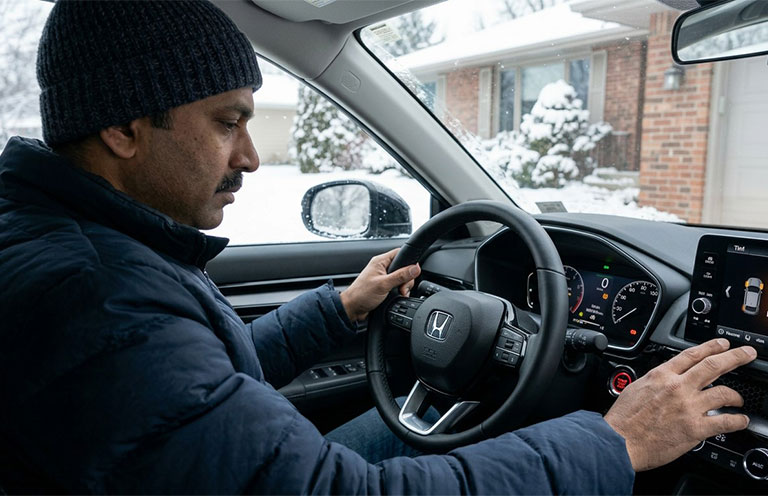
Why does cold weather cause tire pressure to drop?
The short answer: In cold weather, the air inside your tires contracts, which lowers the pressure. When temperatures rise, the air expands, increasing tire pressure.
“Tire pressure decreases about 1 PSI for every 10-degree Fahrenheit drop in temperature and increases at roughly the same rate when temperatures rise,” says Melvin Escobar, AAA Car Care director for Maryland and Virginia.
Seasonal transitions, especially the shift from fall into winter, tend to trigger the most tire pressure problems, says Escobar. Temperatures can swing drastically from day to night, and your tires respond to every degree change. Even a mild cold snap of 20 to 30 degrees can drop your car's tire pressure below the recommended level overnight.
What happens when your tires are over- or underinflated?
Both overinflated and underinflated tires can cause problems, although the issues will differ.
Underinflated tires are more common in cold weather and can reduce fuel efficiency. They tend to wear unevenly along the outer edges of the tread, potentially compromising your handling and braking—especially on wet or icy roads. Over time, driving on underinflated tires can generate excess heat, weakening the tire’s internal structure and increasing the risk of a blowout.
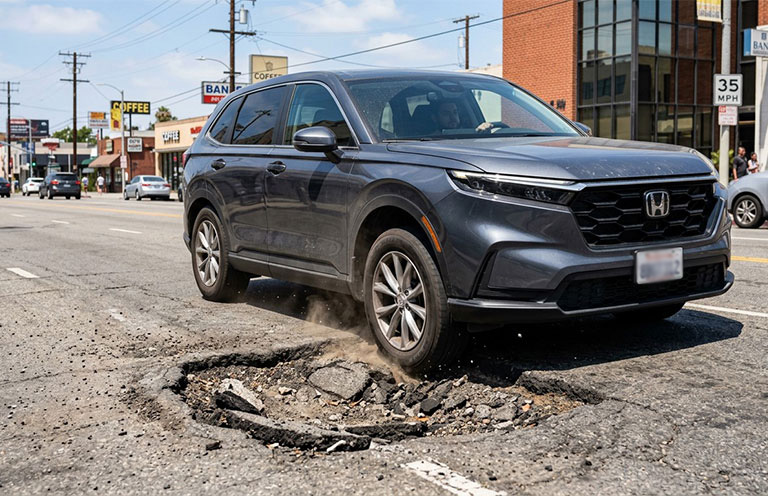
Overinflated tires, on the other hand, are more common in hot weather. They wear down faster in the center of the tread, reducing the tire’s contact with the road and leading to a harsher, less controlled ride. They’re also more vulnerable to damage from potholes and road debris.
In both cases, improper inflation shortens the lifespan of your tires and creates a less safe, less comfortable driving experience.
How and when should you check your tire pressure?
Escobar recommends checking tire pressure at least once a month and always before a long road trip. Timing matters, too.
“It’s best to check pressure when tires are ‘cold,’ meaning the vehicle hasn't been driven for at least three hours,” Escobar explains. That’s because driving heats up your tires and temporarily increases pressure, which can lead to an inaccurate reading.
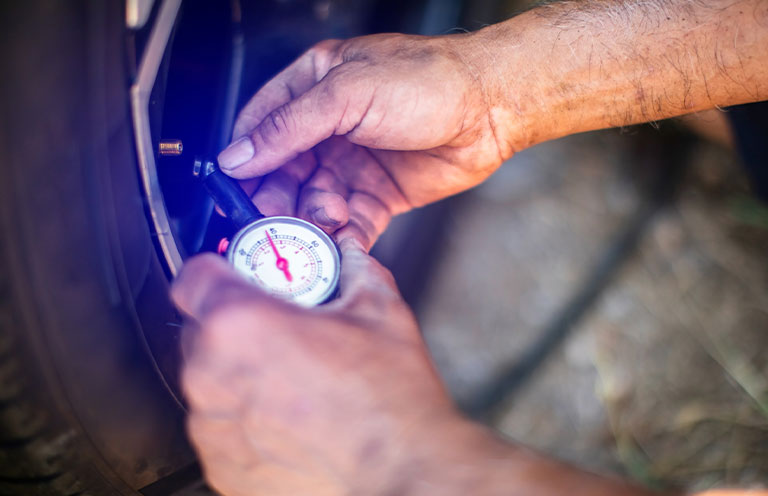
To check your tire pressure, remove the valve cap on each tire, press a tire pressure gauge firmly onto the valve stem, and read the PSI. Digital gauges are inexpensive and easy to use, but a quality stick gauge works just as well. A basic gauge costs just a few dollars and easily fits inyour glove box.
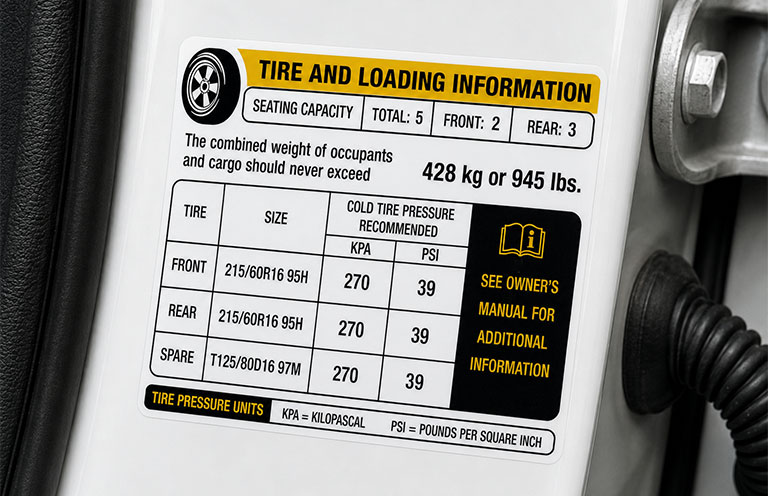
Look for the recommended PSI on the sticker inside your driver's-side door jamb, not the number printed on the tire sidewall. The sidewall lists the tire's maximum pressure, not the manufacturer’s recommended pressure for your specific vehicle. If your tire pressure is low, most gas stations have air pumps available, and they’re often free to use.
When should you check more frequently?
Escobar says that “seasonal changes are a good reminder to check tire pressure more frequently, especially during fall and winter transitions when temperature swings are more dramatic.” A tire that’s perfectly inflated on a 70-degree afternoon can be significantly underinflated by the next cold morning.
Make it a habit to check whenever you fill up at the gas station during seasonal transitions, and always before a road trip—regardless of the time of year. Even if your vehicle has a tire pressure monitoring system (TPMS), don’t rely on it as your only check. The TPMS typically doesn’t alert you until a tire is already about 25 percent below the recommended PSI.
A manual check takes less than five minutesand can prevent costly problems later down the road.