How to Choose the Right Car Battery
Learn about car battery types and battery performance, plus tips on proper battery installation



While the function of a battery is the same from vehicle-to-vehicle, the type, size, and makeup of each battery is different. Batteries are specialized to facilitate the performance of the vehicle, while also remaining as small and light as feasibly possible. For example, a 4-cylinder compact economy car will not need the same kind of battery as a large, diesel-powered pickup truck designed for hauling heavy loads, even though each will use their battery to start the engine and power on-board accessories.
So, if you are in the market for a new car battery, this article should help you zero in on the type you need. In it, we will look at what you should look for in a battery as well as how to identify the proper battery to install in your vehicle. Of course, you should always first consult your vehicle's owner's manual for required battery dimensions and specification before pulling the trigger on a new battery.
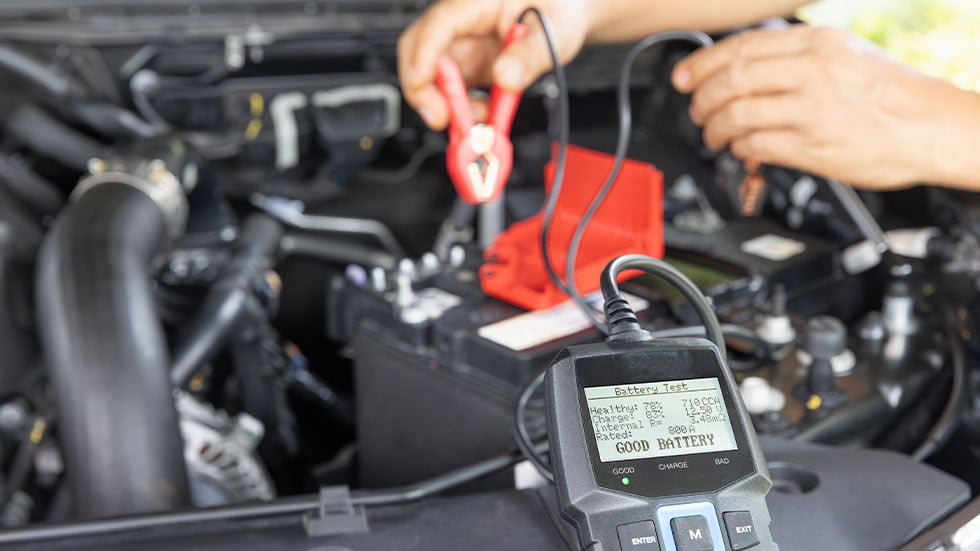
DIFFERENT CAR BATTERY TYPES
Most modern vehicles will come with what's called a Sealed Lead-Acid (SLA) battery. While batteries from decades past used to need the occasional addition of distilled water, modern SLA batteries require no maintenance, even though they still operate using the same principles.
Absorbent Glass Mat (AGM) batteries are becoming more and more the standard in new vehicles, using a similar chemistry to traditional SLA batteries while being more durable and lasting through more charge cycles. Additionally, AGM batteries are typically more expensive and perform better in hotter climates.
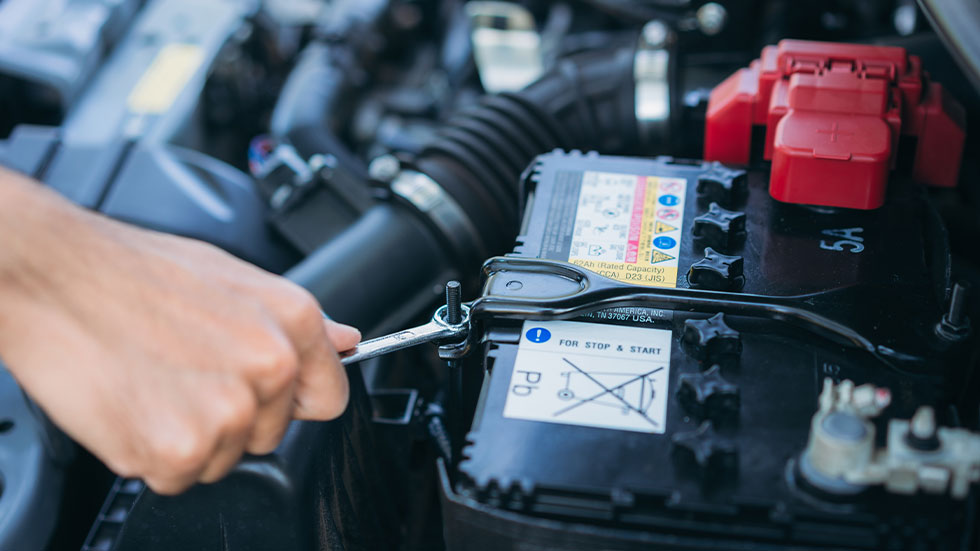
BATTERY SPECIFICATIONS TO CHECK & CONSIDER
Armed with your vehicle's battery specifications from the owner's manual, now it's time to get shopping. Below are some important things to consider when choosing a car battery, particularly if you park outdoors and live in an area that experiences extreme swings in temperature throughout the year.
- Cold Cranking Amps (CCA): A battery's CCA rating indicates how much electrical current the battery can deliver for 30 seconds at 32° and 0° Fahrenheit. The larger the number, the more power the battery will be able to deliver in cold weather, when batteries are typically their weakest.
- Battery Warranty: Any decent battery should be backed by at least a three-year warranty. At AAA, if your new battery fails a test during its first three years, we will give you a new one for free. Be warned, however. While you may save money purchasing through third-party suppliers like Amazon or Walmart, often manufacturer warranties do not cover these purchases, so read your fine print.
- Reserve Capacity: The reserve capacity of a battery tells you how long it can provide power to the vehicle's electrical components without the engine running. A good battery reserve capacity rating will be between 1.5 - 2 hours.
- Changing the Car Battery Yourself: Certain manufacturers require that any new battery be "coded" to the specific vehicle it is being installed inside. Again, consult your owner's manual before purchase to see if this is the case. Also, be sure to responsibly recycle your old battery. Many retailers will include a "core charge" when you purchase a new battery that is only refunded once you bring the old one back for recycling.
- Battery Dimensions: Buying a battery with a ton of power will not do you any good if it doesn’t fit inside your battery compartment. First and foremost, be sure to have your vehicle's battery dimensions handy to reference as you shop.

THE IMPACT OF WEATHER ON YOUR BATTERY
While CCA ratings are important if you live in frigid winter climates, how you park your vehicle and how hot your summers get can also greatly impact the performance and life span of your battery. While frigid temperatures can weaken the electrical output of your car battery, extreme heat is actually more damaging over the course of its lifetime. Hot temperatures speed up the evaporation of liquid from your battery and the corrosion process. Faster battery corrosion eventually causes irreversible damage, sometimes shortening the battery's lifespan by over 25%.
There are several simple steps you can take to protect and monitor your battery’s health, extending its life and saving yourself money in the long run:
- Park in a garage or shady area, especially during hot summer months, to protect your vehicle’s battery from the elements.
- Get in the habit of checking under the hood at the gas station to look for any swelling, corrosion, or signs that your battery may be struggling.
- Limit short trips during the hottest months when heat is draining your battery. Short trips do not give your battery the time it needs to fully recharge.
- Try not to use your accessories or electronics while the engine is shut off. Every once in a while won’t hurt your battery, but making a habit of it could shorten its overall lifespan.