The Pros and Cons of Electric Cars
A close look at the benefits of electric cars and also some of the drawbacks of driving an electric car
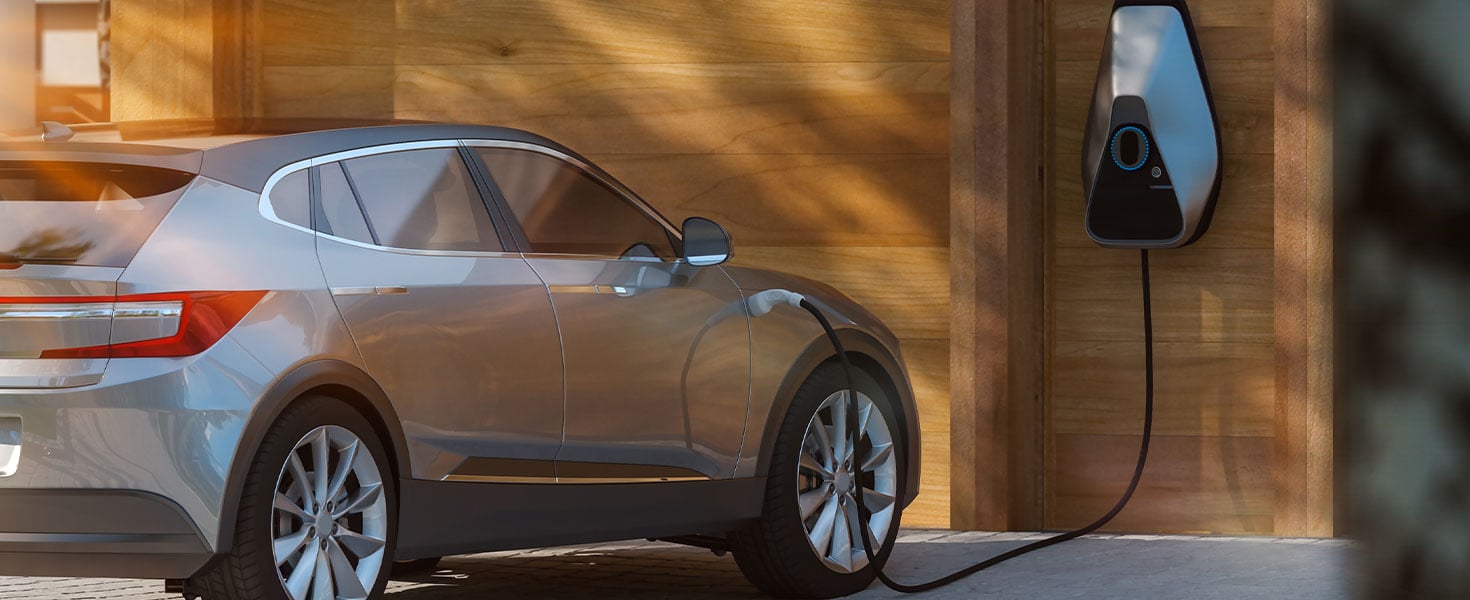

With the rise in discussions around climate change and green energy, electric cars have emerged as a popular conversation topic and alternative to traditional gas-powered cars. But what is an electric car, and how does it work? This article will demystify the various aspects of electric vehicles and provide you with everything you need to know.
EV BASICS
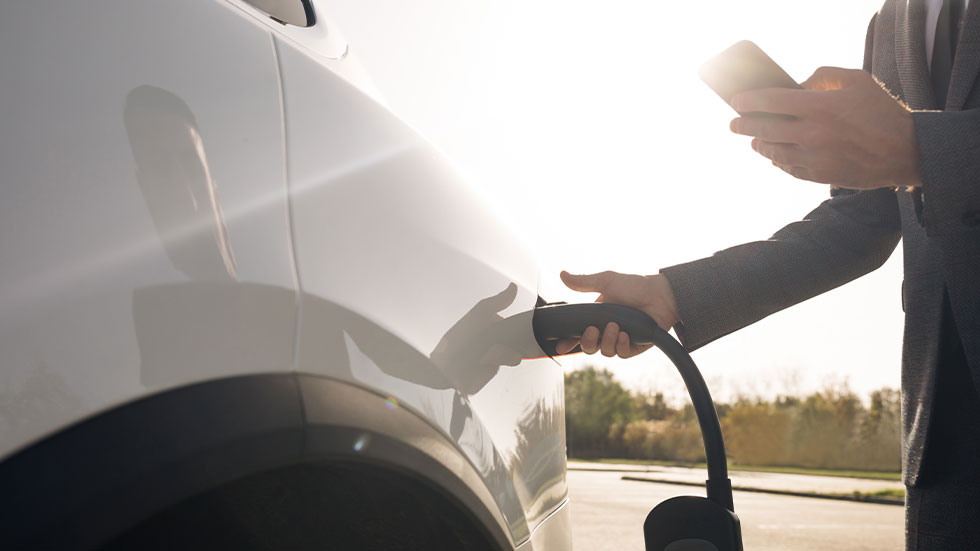
Let's start with the basics—an electric car, also known as an EV, is a vehicle propelled by electric motors, using energy stored in rechargeable batteries. Unlike conventional cars, electric cars release zero emissions, making them a cleaner, more eco-friendly alternative.
THE BENEFITS OF ELECTRIC CARS
An undeniable benefit of electric cars lies in their environment-friendliness. Producing zero tailpipe emissions not only contributes to cleaner air but also results in less noise pollution as EVs are relatively quieter. Moreover, electric cars are cheaper to operate. They run on electricity, which is less expensive than gasoline, and they require less maintenance than gasoline-powered cars.
THE DRAWBACKS OF ELECTRIC CARS
However, electric cars also present some drawbacks, including higher up-front costs, limited driving range, and a scarce number of charging stations, especially in remote areas. The driving range of an electric car is generally shorter than a gas-powered car, and this range can vary depending upon the make and model of the vehicle.
One of the chief features of the electric car is the regenerative braking system. When you apply the brakes in a conventional car, kinetic energy from the car is converted into heat and lost. But in an EV, the regenerative braking mechanism converts this kinetic energy back into electrical energy and stores it in the battery, thus increasing the car's efficiency.
HOW LONG DOES IT TAKE TO CHARGE AN ELECTRIC CAR?
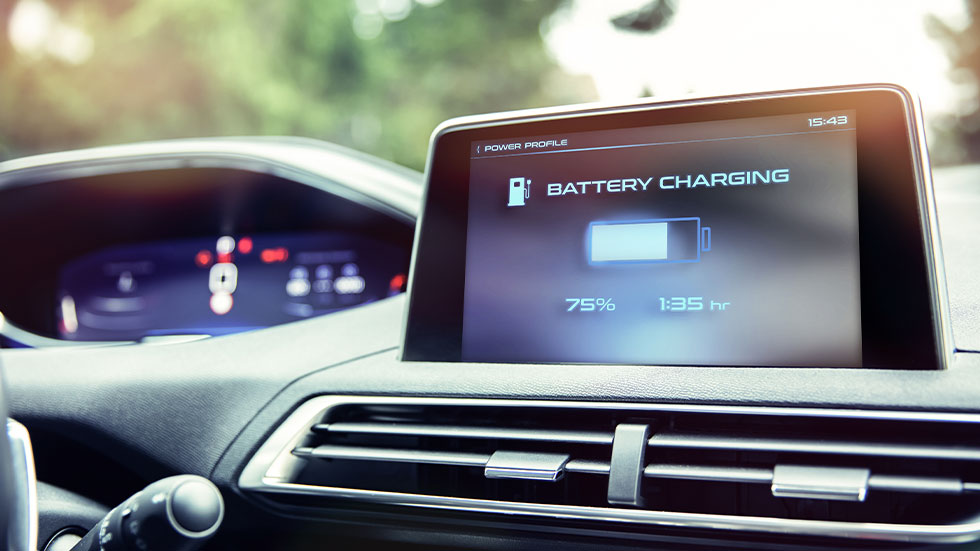
Understanding the charging process of an EV is essential. There are primarily three types of electric car charging: Level 1, Level 2, and DC Fast Charging (also known as Level 3). Level 1 uses a standard household outlet and takes the longest, while Level 2 requires professional installation of a home charging system and is significantly faster. Level 3, the fastest of all, is typically found at public charging stations.
When considering an electric vehicle, it's crucial to keep in mind that charging times can vary based on the car’s battery capacity, the power supply, and the charger level. While Level 1 might take about 8 – 20 hours for a full charge, Level 2 reduces this time to about 3 – 8 hours, and Level 3 can charge certain models up to 80% in just 30 minutes.
ELECTRIC CARS: WEIGH THE PROS AND CONS
To sum up, electric cars offer a great alternative form of transportation. They offer several benefits, including lower running and maintenance costs, reduced emissions, and a quieter ride. However, currently, they also bring some cons to the table. The good news is with constant advancements in technology, these drawbacks are being addressed rapidly. As we move forward, they're only going to become more efficient, widely available, and affordable.
Want to take an eco-friendly step towards the future? Switch to an electric car, but remember, research thoroughly before making your decision. As with any significant purchase, it's essential to weigh the pros and cons and choose what best fits your lifestyle and needs.