5 Creative Gardens for Patios, Apartments, and Small Spaces
No backyard? No problem. From hydroponic systems to stackable planters, these space-saving garden ideas make it easy to grow fresh food almost anywhere
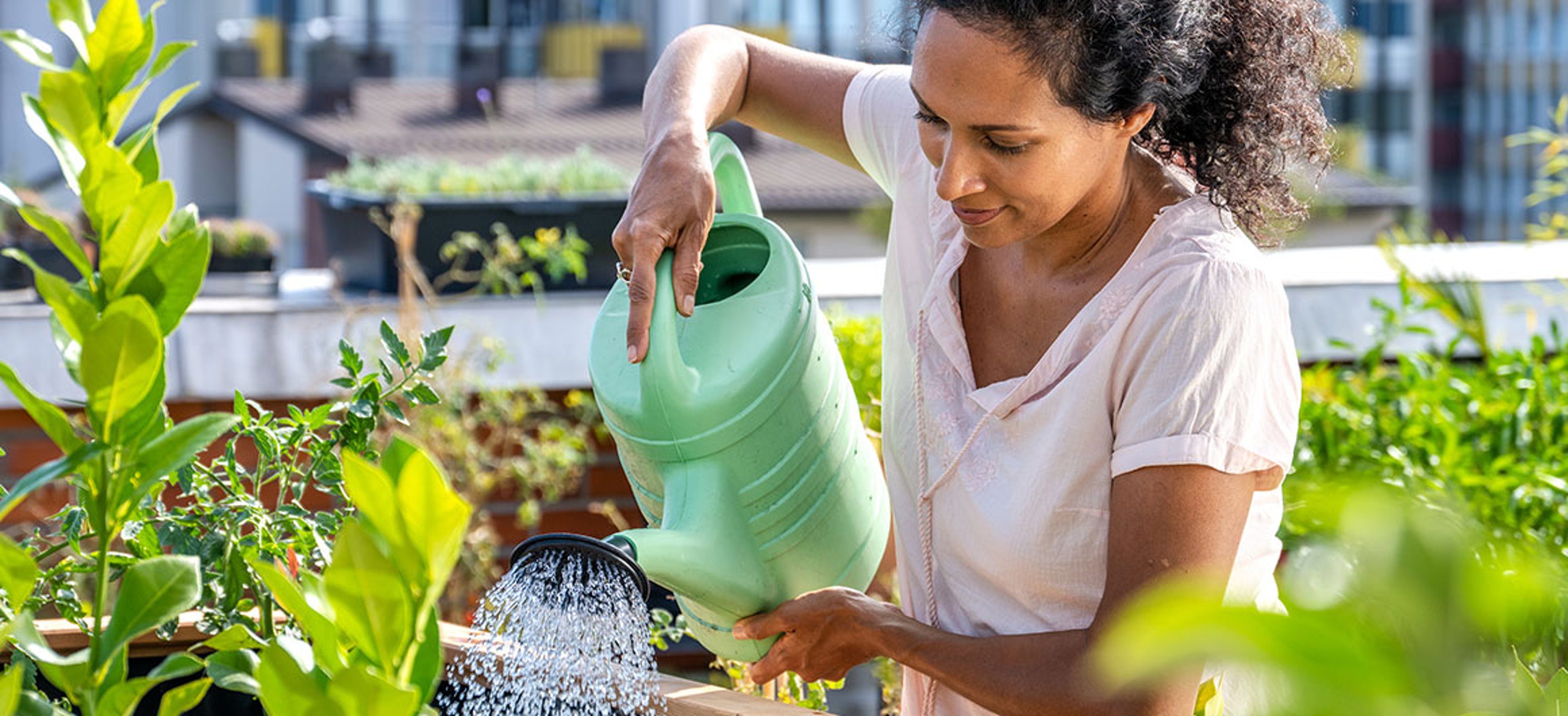

With rising grocery prices, many people are spending more time in their gardens as a cost-effective way to stock their pantries and refrigerators and put fresh food on the table. But what if you don’t have a backyard? Or you’re unable to manage the physical demands of maintaining a garden?
You’re not out of luck. Creative gardens can take many forms, making it possible to grow your own food—no matter your space or mobility needs. From balcony setups to accessible gardening products, here are some of the best nontraditional options for creating a thriving garden.
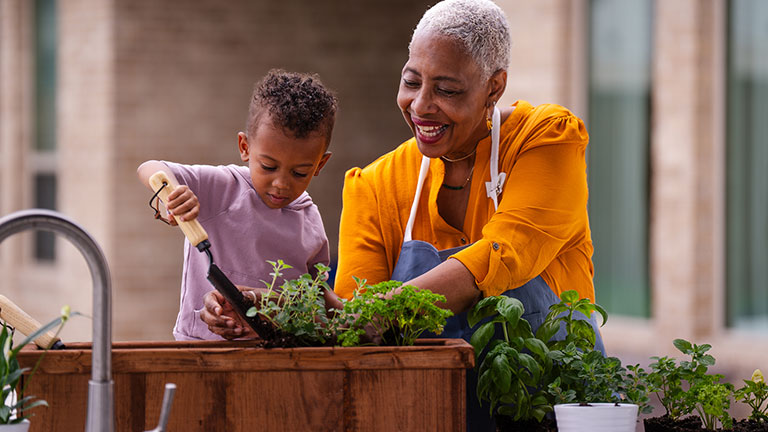
Indoor hydroponic system
It’s often easiest to start small when it comes to gardening, and you can’t get much smaller than herbs. There are dozens of herbs you can choose from, including basil, cilantro, thyme, and dill. One of the lowest-commitment options is to grow alfalfa or broccoli sprouts in a glass jar. After just a few days of rinsing the seeds, you’ll get to enjoy a small batch of nutrient-packed sprouts ready to eat.
If you want to move beyond the jar stage, consider investing in a small hydroponic system, which is an indoor garden that grows plants in nutrient-rich water instead of soil. Typically fitted with a grow light, these compact, roughly foot-long systems can grow several small plants at once, including herbs and leafy greens. Some models are designed to grow vertically, making them a great option for small apartments or limited counter space. Many come equipped with handy features, such as indicator lights that tell you when it’s time to add water, making them one of the most beginner-friendly gardening options.
Grow bags
Grow bags are one of the easiest creative garden solutions for renters and small-space gardeners.
Grow bags are fabric containers, typically made from breathable polypropylene material, that offer a lightweight and flexible alternative to traditional pots.
This porous fabric helps regulate the soil temperature better than plastic containers and allows extra moisture to escape—so your plants don’t develop root rot, a condition caused by overly wet soil that can damage or kill plants.
Because of this effective drainage, however, you may need to water your grow bag more often. Rather than drenching them all at once with a watering can, add a little water at a time, and allow it to soak in before adding more. If you pour too quickly, the water may pass through the soil completely.
Grow bags are ideal for root vegetables such as carrots and radishes, while larger bags can accommodate potatoes and sweet potatoes.
Tower planters or stackable pots
Tower planters, also called stackable pots, are vertical planters made up of individual pots stacked on top of one another. Many include a central watering system, so you only need to add water to one high point to irrigate the entire planter. With a footprint that’s often less than a foot wide, they’re especially popular in creative gardens designed for balconies and patios.
One advantage of stackable pots is that each plant can grow in its own soil type, making it easier to support a variety of plants with different needs. Yet, there’s still some strategy involved. Plan to place your light-loving crops on one side and the shade-preferring plants on the other.
Some of the most reliable plants for stackable pots include strawberries, peppers, herbs, and lettuce.
Trellis planter
Some of the tastiest fruits and vegetables grow up, not out, making them perfect for trellis planters. You can buy self-contained trellis planters that have a small pot at the bottom with a triangular trellis system above it, or you can DIY your own trellis against a balcony wall. If you have more than one plant sharing a trellis, keep an eye on the vines; some plants tend to crowd or choke out others (we’re looking at you, cucumbers).
Vine plants such as tomatoes, pole beans, snow peas, and grapes thrive in trellis setups.
Raised garden bed
The largest option on our list is ideal for gardeners who want to grow a little bit of everything. In fact, accessible raised beds are becoming a staple in creative gardens built for aging gardeners or people with mobility limitations.
Raised garden beds come in many sizes, but most home models are about 3 to 4 feet wide, 6 to 12 feet long, and up to 2 feet tall. These beds reduce bending compared with in-ground gardening, and you can even use a rolling garden stool for added comfort.
To help retain the moisture in a raised bed, it’s a good idea to build up layers beneath the soil. I’ve had good luck using a layer of cardboard, followed by sticks from around the yard, and then fallen leaves. Top it off with compost and garden soil, and you’ll be ready to plant.
…..
Whatever limitations you have, know that a creative gardening solution is likely within reach. So go forth and cultivate your green thumb!