6 Easy Kitchen Organization Hacks for a Spotless, Clutter-Free Space
These expert tips help you declutter, organize, and instantly improve your kitchen’s look and functionality
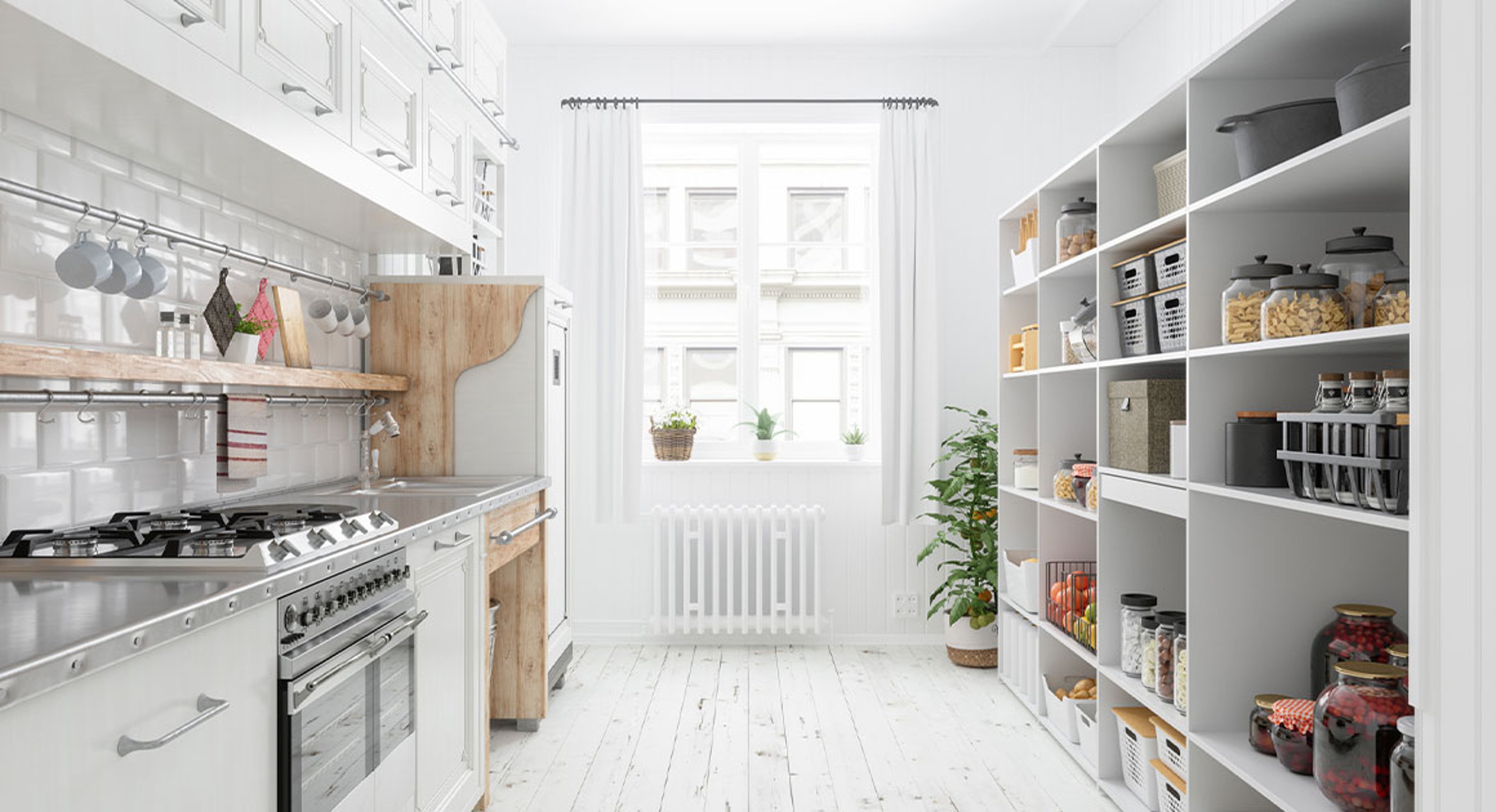


Pretty pantries with matching storage containers are the stuff of Instagram reels. The reality, however, is quite different. For most of us, finding a spice feels like a game of Tetris, and the Tupperware cabinet is an avalanche waiting to happen.
With a little effort, you can organize your kitchen to be both functional and aesthetically pleasing. Here’s how to master kitchen organization without losing your sanity.
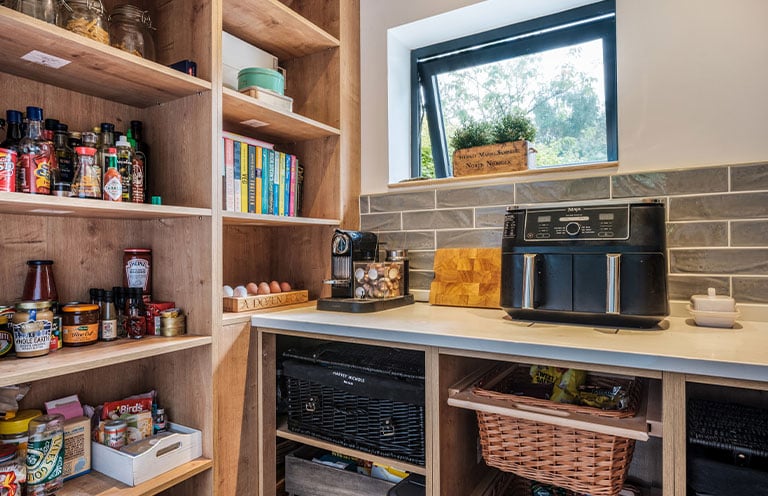
Target one place at a time
Before buying new containers, pick one cabinet or drawer, take everything out, and toss what’s broken, stained, expired, or just never used.
Say goodbye to mismatched storage containers, such as random lids and bottoms that don’t match. Either recycle or trash them.
If you’re upgrading, professional organizer Lisa Dooley, author of More Space, More Time, More Joy!, recommends choosing stackable sets.
Pro tip from Dooley: Don’t use plastic containers to reheat food because they can leach chemicals. Glass containers are safe for both storage and heating. (If microwaving, always check the label to ensure the container is microwave safe.)
Transfer bulky items into containers
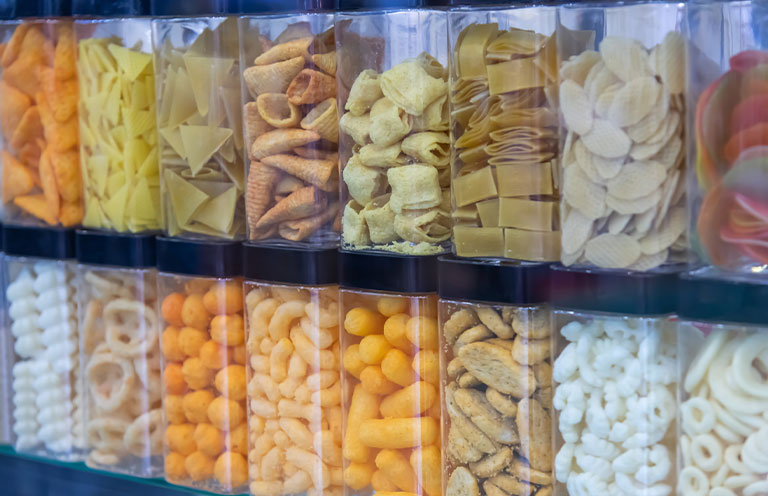
Cereal, chips, and pretzel boxes take up more space than what’s inside them. Purchase clear containers, unbox the food, and pour it into the containers to free up room and make everything easier to see. One simple way to maximize space: Use square containers, which fit more neatly than round ones.
Downsize a water bottle or mug collection
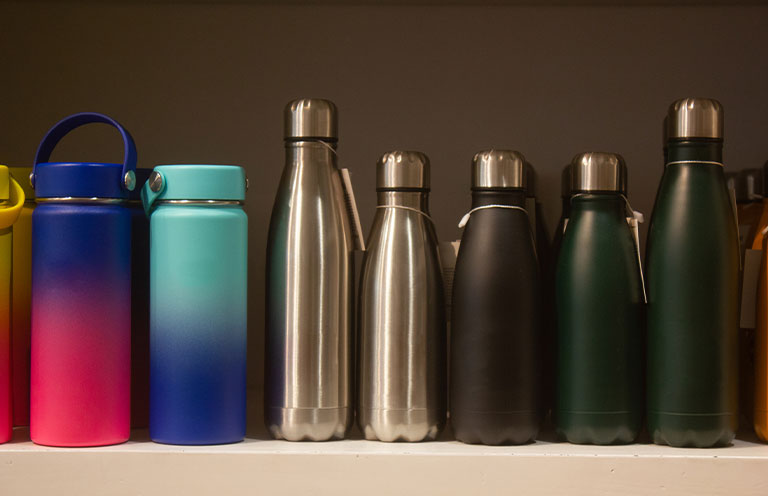
Donate or recycle flimsy bottles and cups. Take the same approach to mugs or glasses with logos that you seldom use.
“We all have our favorites, which we use all the time,” Dooley says. “Let go of anything you don’t use consistently. These take up a lot of cabinet space.”
If you store water bottles in a cabinet, consider purchasing a bottle organizer. If you store them in a deep drawer, Marta Parfan of Well Arranged Home, a Calgary-based home organizing company, recommends using expandable drawer dividers to keep bottles from toppling.

Create zones
When similar items are stored together, it’s easier to prep, cook, and clean up. For instance, keep wraps and plastic bags in one spot. Ditto for cookware and bakeware.
Move the similar items to an area that makes sense, Parfan says. For example, she recommends storing dishes and cutlery near the dishwasher and putting coffee, tea, and mugs near the coffee machine. If you bake, stash mixing bowls and measuring cups together.
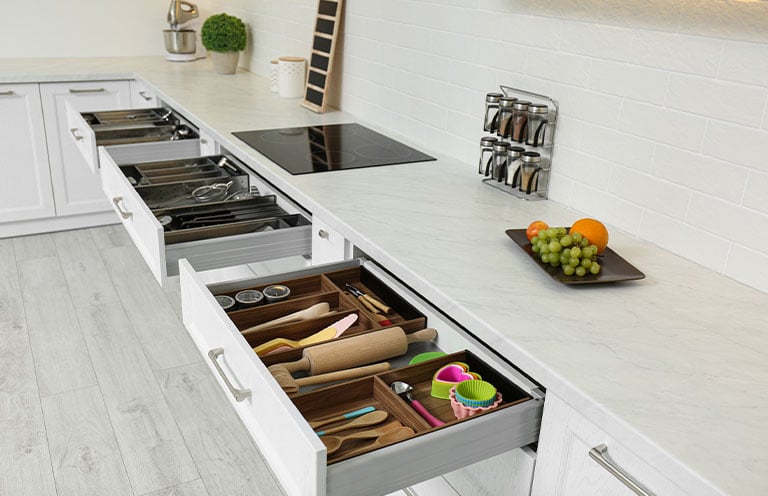
Leverage cabinet space
Risers for dishware and pantry products help you make the most of vertical space. (Most cabinets have adjustable shelves, which you can move to fit bins and risers.)
Store small items, such as instant oatmeal packets or snack-size protein bars, in baskets and plastic bins. Step risers are ideal for small jars and containers, keeping everything visible. If you buy spice bottles with premade labels, your spices and herbs will nest neatly together.
There are also vertical and horizontal organizers for pots and pans, plus standing racks for cutting boards, baking sheets, and lids—so you don’t have to stack everything inside one another.
Store oils and vinegars on lazy Susans, Parfan says. “Place one in the cabinet next to the stove, and everything stays visible and easy to grab—nothing will go expired in the back,” she adds.
Parfan also recommends expandable bamboo drawer dividers for separating utensils, dish towels, and lids. For deep cabinets and under-sink areas, 16-inch-long acrylic bins work well to corral larger items.
Keep counters clear
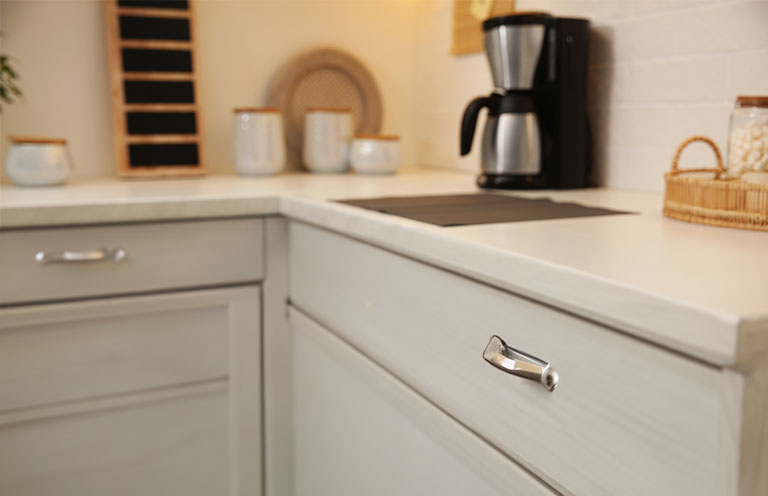
Dedicating valuable counter space to frequently used items, such as a coffee maker, will leave you more room for cooking, says Cathy Orr, co-founder of The Uncluttered Life, a professional home-organizing company, and Declutter Deck, a set of 52 guided organizing prompt cards designed to help people declutter one step at a time.
“Choose decor that does double duty—a pretty cutting board or two set against a backsplash can be grabbed in a pinch and then, after washing, returned to their place,” she says. “Utensil containers come in many sizes, shapes and designs. Place one on your kitchen countertop for easy access to spoons, spatulas, and tongs.”
Group functional items, such as salt and pepper shakers, on an attractive tray. “Each suggestion increases functionality while increasing the visual appeal of your kitchen,” Orr says.
. . . . .
Even implementing just a few of these tips delivers a quick payoff. You’ll spend less time digging, make fewer duplicate purchases, and enjoy a kitchen that’s easier to cook in—and easier to reset at the end of the day. With thoughtful kitchen organization, even small changes can make a big difference, keeping your space functional, efficient, and stress-free.