9 So-Called 'Safe' Hiding Spots Where Burglars Look First
Find out where not to hide your cash, jewelry, important documents, and other valuables—and where to secure them instead
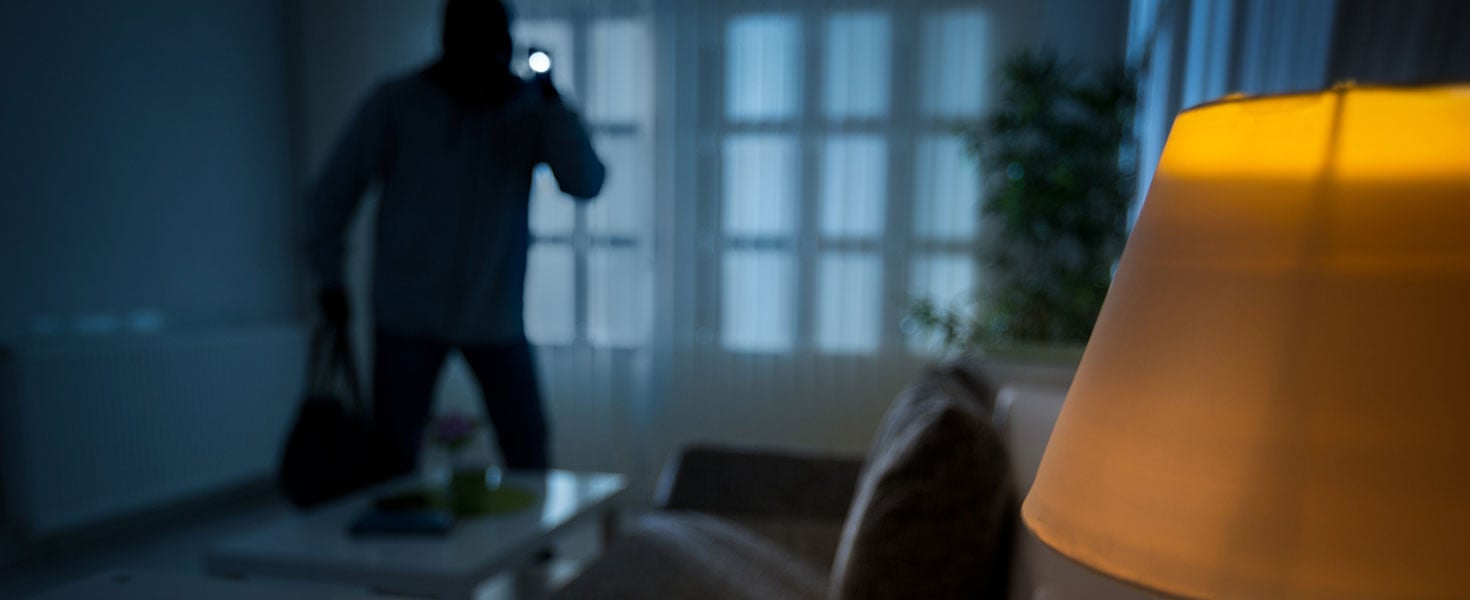


Whether you’re away from home for the holidays or a well-deserved vacation, you have a number of things to do prior to departure. Lock doors and windows, stop the mail, unplug unnecessary electronics, turn on automatic lights, give a spare key to your neighbor, and the list goes on. One task many of us often overlook, however, is hiding our valuables. It’s not only important to hide your valuables but to hide them well. Unfortunately, burglars are getting smarter, and many of the common—or even not-so-common—hiding spots aren’t as safe as you think.
We share where not to hide valuables in your home, the best places to keep your valuables and cash safe, and how to best protect your home from burglars.
Where do thieves look for money and valuables in your home?
These nine hiding spots are where burglars look first.
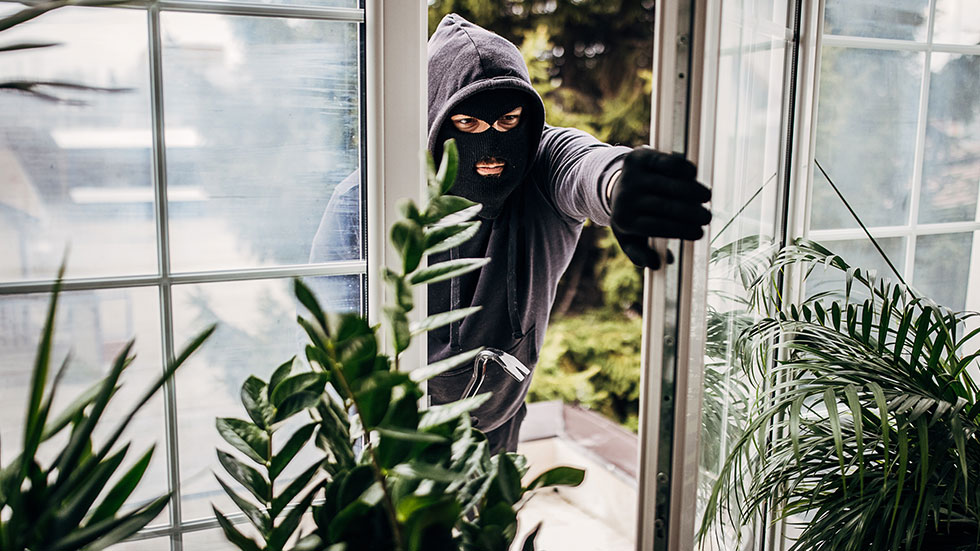
1. Near windows and doors
Doors and windows are the most common entry points for burglars, so near these entry points is often the first place they look for any valuables. Burglars also know many homeowners hide their house key near the front door, making it easier for them to break in within minutes or even seconds.
2. Entryway drawers and cabinets
If a thief does break in the front door, they may not have time to go to other high-target areas of the house like the master bedroom or office. Instead, they’ll rummage through the drawers and cabinets right near the front door. Items most often found near the front door include car keys, backup cash, and personal documents. You may also have valuables on display for guests entering your home, making it easy for burglars to grab and go.
3. Dresser drawers
If the burglar makes it to a bedroom, one of the first places they may start rifling through is the dresser drawers. Valuables on top of dressers, such as in jewelry boxes, are obvious and easy to take quickly, but they also will be looking for other unique or more valuable items “hidden” in the drawers.
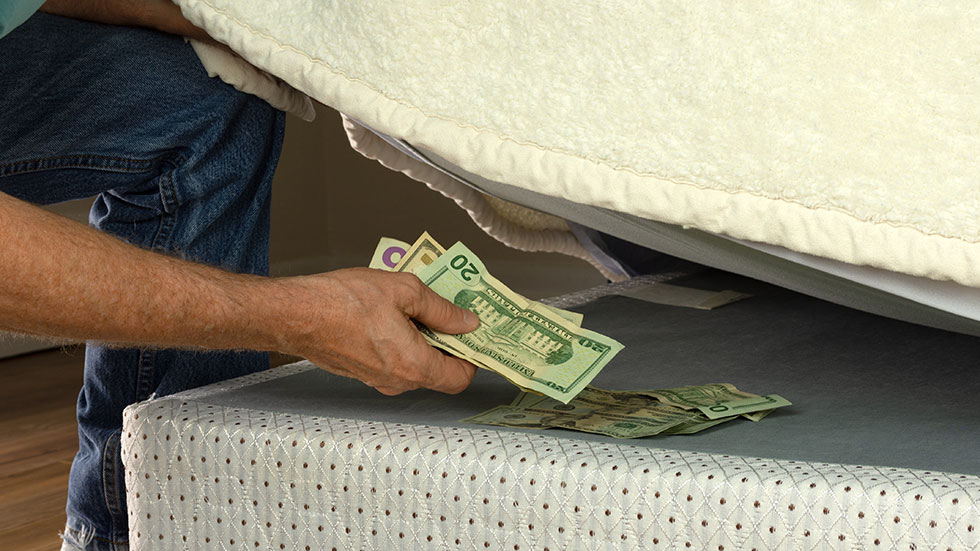
4. Under the mattress
Hiding valuables under the mattress is one of the oldest tricks in the book, so a burglar will check for anything of value, such as jewelry, firearms, prescriptions, and extra cash. The mattress in the master bedroom is particularly vulnerable because that room is likely where they will find the most items of value.
5. Portable safes
A safe is a secure space to store money, records, valuables, confidential documents, and more. But if it’s not attached to the floor or a wall and is portable, it’s easy for a burglar to walk off with the entire thing and everything inside. If something is locked, it signals to a thief that there are valuable items inside, making it more tempting for the taking.
6. Medicine cabinet
You probably don’t have valuables in your medicine cabinet, but burglars will likely browse for any prescription pills they may be able to sell on the street.
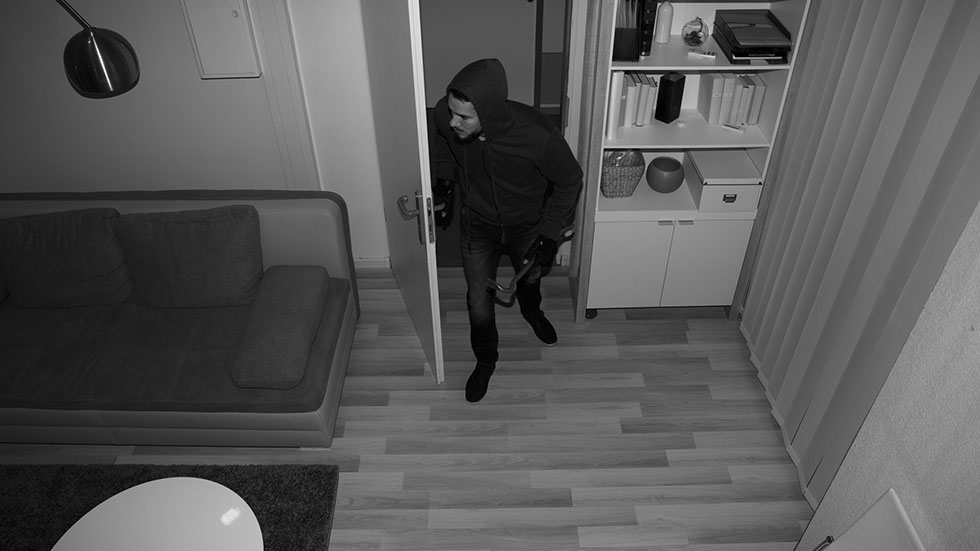
7. Office drawers
People often keep important documents and extra cash in office drawers. And, by keeping things labeled and organized for our use, we make it easier for burglars to find what they are looking for faster, too. Offices often hold everything someone would need to steal your identity, so keep sensitive data safe and securely locked.
8. Vases
Hiding things in plain sight isn’t always a wise option, either. An empty vase (or one with fake flowers) may seem like a good hiding place for valuables, but they are easy for thieves to tip over or even break while searching for the goods.
9. Kitchen freezer and storage areas
Hiding cash and jewelry in the kitchen has become a popular practice. This strategy includes placing valuables in a plastic bag and stashing it in the freezer. But burglars are often one step ahead of the rest of us and have already thought to look in the kitchen freezer and storage areas. If they have time, a burglar will likely go through not only your freezer but also your cereal boxes, pantry, and storage containers to find what you might have stashed.
Where are the best places to hide valuables at home?
While it depends on the size and type of item you’re hiding, the best place is generally somewhere burglars won’t want to search or wouldn’t bother with due to the level of difficulty or interest the object attracts. Consider the following hiding spots.
False bottom of a trash can: Most burglars won’t go through your trash, especially messy kitchen trash. Getting a can with a false bottom or hiding valuables under the plastic liner can be a decent option.
- Fake wall outlet: These products look like a traditional wall outlet from the outside but pull out to function as a small storage area. As long as it’s installed in a safe area and not in the way of any electrical wiring, this can be a good way to trick a burglar.
- Hollowed-out or removable building components: Think wainscoting, floor panels, door jambs, windowsills, and cabinet doors. There are both products you can purchase and ways you can make your existing components functional as a hiding place for valuables.
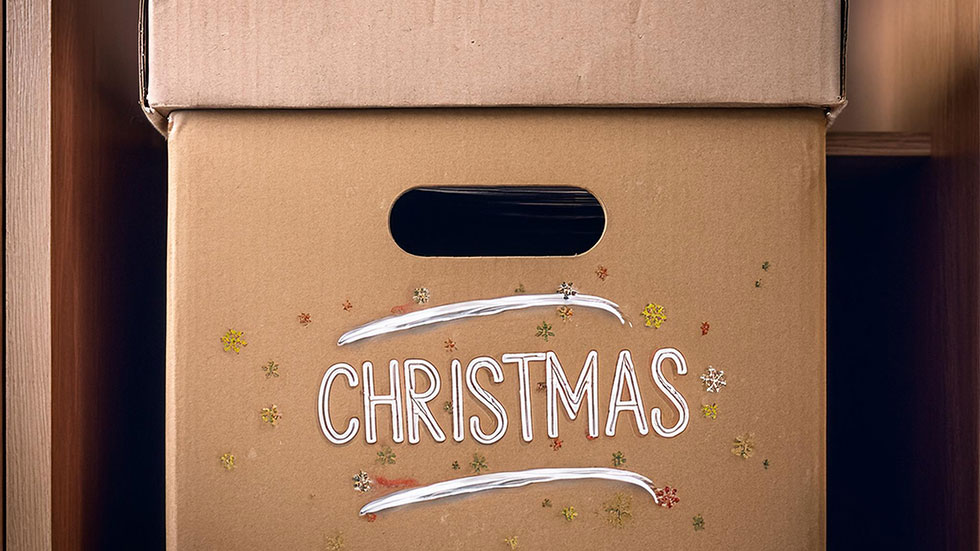
- Mixed with other household items: Keeping valuables in storage bins or boxes mixed with and labeled as other seemingly dull or worthless items, such as “Christmas décor,” “Summer Clothes,” “School Projects,” etc. can be a deterrent for burglars.
Where is the safest place to keep cash at home?
Keeping extra cash at home can help with everything from alleviating minor inconveniences to protecting your family in the event of a disaster or emergency. Even though we live in a digital world, it’s important to keep cash on hand. But how much cash should you keep at home in case of an emergency? Some experts recommend keeping enough cash on hand to cover at least 2 to 3 months’ worth of basic necessities. There are no limits to how much cash you can legally keep at your house.
So, how do you safely store cash at home?
- Split it up: Keep your cash in multiple hiding places to reduce the chances that burglars would find it all during a break-in.
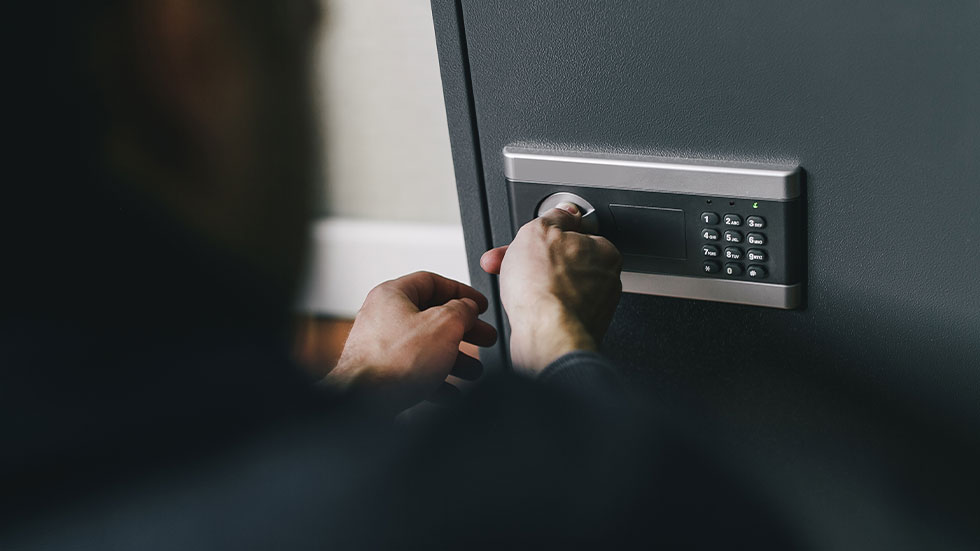
- Invest in a quality safe: Get a safe that can be bolted to the floor or wall, and consider one that has biometric technology, keypad locking, or a standard safe dial.
- Monitor your money with motion sensors or cameras: If you do have a bolted-in safe, consider adding an extra layer of security with a motion sensor or camera pointed directly at the safe.
How can you keep your home safe against burglars?
The smartest strategy to protect your valuables is to try to think like a burglar. Thieves typically only have only a few minutes to grab what they can, so they will take anything within sight. But they also know that important items— like cash, jewelry, documents, and other valuables—will likely be hidden somewhere within the home. To protect your belongings, here are a few simple safeguards.
- Attach safes to your floor or walls to make them trickier to break into and/or take.
- Invest in high-quality locks and/or a security system.
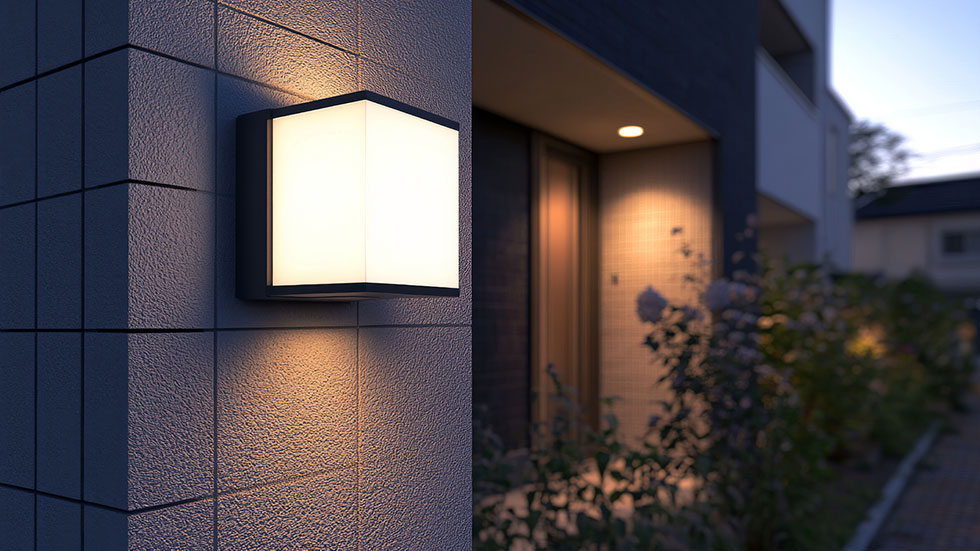
- Install motion-sensor lighting outside.
- Landscape defensively, with prickly trees, shrubs, and bushes around windows and doors, making it more difficult for thieves to get in and out.
- Password-protect and GPS-activate laptops, smartphones, and other smart devices. That way, if they are stolen, they can be more likely to be recovered. Making them tougher to break into can also help protect against identity theft.
- Protect your home with homeowner’s or renter’s insurance. Having a policy that covers your valuables can help you recover some monetary value should your home be broken into and your valuables stolen.
- If traveling, avoid posting your whereabouts on social media. If a burglar knows you’re on vacation and won’t be home for a while, your absence makes your home an easy target for social media-savvy thieves.
Securing your home from would-be thieves is the first line of defense. Using hiding spots where burglars won’t look adds another layer of defense. And staying one step ahead of thieves by outsmarting them at their own game is one of the best defensive strategies of all.