6 Things You Should Never Put Down the Drain
Flushing these common items down the drain can destroy your plumbing, contaminate your water, and cost you hundreds to thousands of dollars in damage



Rinsing bacon grease down the drain after breakfast. Scraping potato peels into the garbage disposal while prepping dinner. Flushing old medications down the toilet. These everyday habits seem convenient—until they cause a plumbing disaster. What goes down your drain doesn't disappear. It can clog your pipes, damage municipal sewer systems, and contaminate water supplies.
Here are six things that should never go down your drain—and what to do instead.
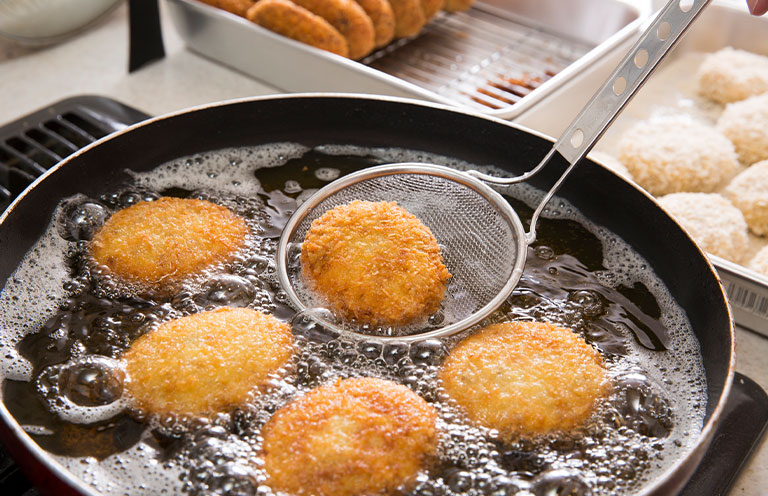
1. Cooking grease
Grease, oil, and fats top the list of drain destroyers. While these substances start as liquids, they solidify as they cool and coat your pipes. This buildup narrows the passageway and traps other debris, creating stubborn blockages that can cause backups and even pipe damage. Even running hot water won't solve the problem; it just pushes the grease farther down the drain until it hardens again.
The issue extends beyond your home, too. Grease buildup restricts sewer flow and can cause untreated wastewater to back up into homes and businesses, onto streets, and even into local waterways.
Safe disposal
Let grease cool completely, and then pour it into a disposable container (think empty jar or can). Seal it and toss it in the trash. For greasy pans, wipe them out with paper towels before washing.
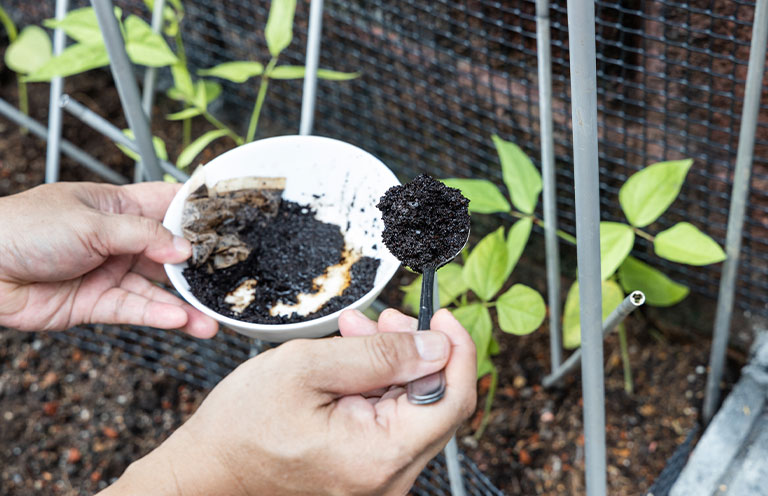
2. Coffee grounds
Pouring your morning brew’s coffee grounds down the drain might seem harmless, but they're surprisingly destructive. These grounds don't dissolve in water. Instead, they clump together and stick to pipe walls. When combined with grease or soap residue, they can gradually form a dense, sludge-like buildup that may block your drain over time. Even a garbage disposal often can't prevent this accumulation.
There's also an environmental concern. Liquids from brewed coffee—including caffeine and organic compounds—can make their way through wastewater systems and, if not fully removed by treatment plants, reach waterways. In some cases, these compounds have been detected in rivers and lakes and may stress aquatic life. (That said, the risk from solid coffee grounds is less well established than from dissolved coffee waste.)
Safe disposal
Toss used coffee grounds into the trash can, or add them to your compost pile (they're nitrogen-rich and great for gardens).
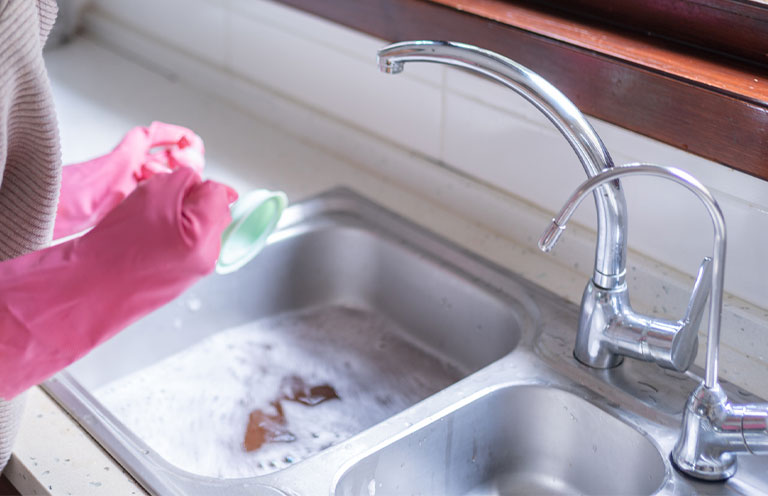
3. Paint
Pouring paint down the drain is a triple threat. It can coat your pipes and harden, creating clogs. It can release toxic and potentially flammable fumes. And it can contaminate water supplies since treatment plants aren’t equipped to remove paint chemicals effectively.
Safe disposal
Latex paint
Mix with cat litter or sawdust, let it dry completely, and then toss it in the trash.
Oil-based paint
Take it to your local household hazardous waste facility.
Leftover usable paint
Consider donating through PaintCare's recycling program at participating retail locations.
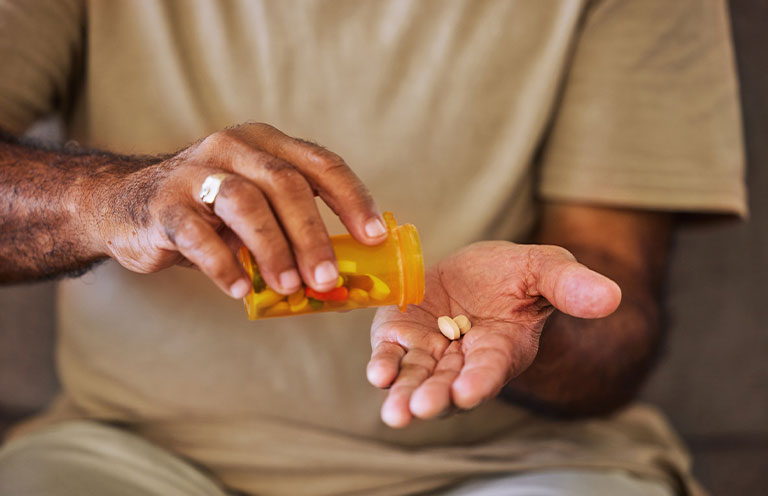
4. Medication
Flushing medications down the toilet or sink is a serious mistake. Pills and capsules don't disintegrate quickly, which can cause clogs. More importantly, pharmaceuticals can contaminate water supplies. Water treatment plants generally aren’t equipped to remove medicines, so prescription and over-the-counter drugs often pass through treatment systems and end up in rivers, lakes, and even drinking water.
Safe disposal
Many pharmacies, police stations, and hospitals operate medication take-back programs. Check with your local pharmacy or search online for disposal sites in your area. Never flush medications unless the label specifically instructs you to do so.
5. Automotive fluids
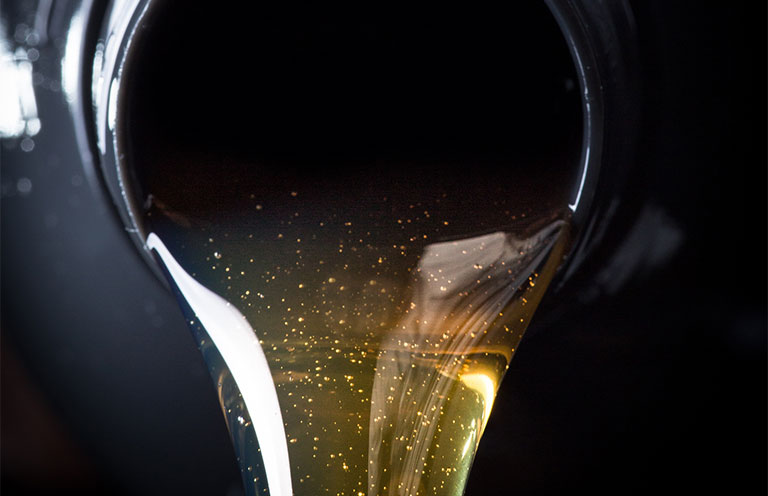
Motor oil, gasoline, antifreeze, and other automotive fluids are considered household hazardous waste—and for good reason. Pouring these substances down the drain is illegal in many areas because they can easily contaminate groundwater and drinking water supplies. In fact, one gallon of motor oil can contaminate up to one million gallons of fresh drinking water, according to the US Environmental Protection Agency. That’s a full year’s water supply for 50 people.
Safe disposal
Store used motor oil and other automotive fluids in DOT/OSHA/EPA-approved containers (the same container your motor oil or fluid came in is a good option), and take them to your local hazardous waste disposal facility. Many auto parts stores also participate in used oil recycling programs.
6. Starchy, fibrous foods
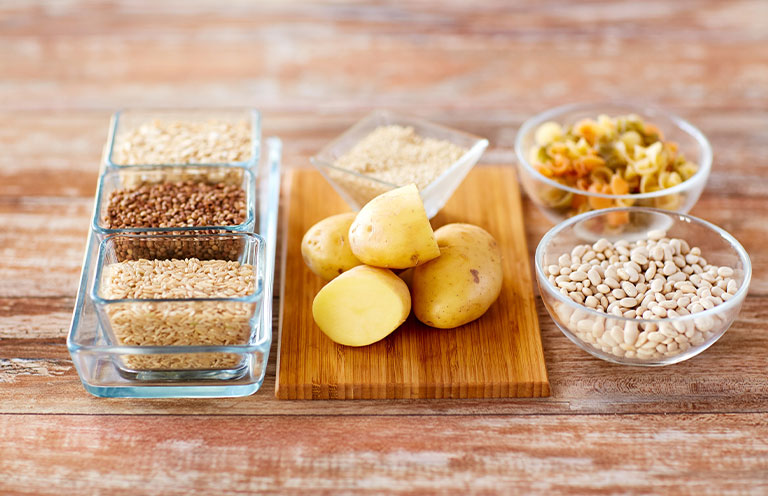
Potato peels’ high starch content creates a thick, glue-like paste when mixed with water, which can gum up your garbage disposal and pipes. Even if peels slip past your disposal intact, they can collect in drain traps and create stubborn blockages. Other starchy foods, such as pasta and rice, can cause similar problems. Fibrous foods such as celery and corn husks are equally troublesome because their stringy texture wraps around disposal components and resists breaking down.
Safe disposal
Scrape potato peels, pasta, rice, and fibrous vegetables into your compost bin or trash. Your pipes will thank you, and your garden will benefit from the nutrient-rich compost.
. . . . .
Your daily habits have a bigger impact than you might think. By keeping these six items out of your drains, you'll avoid costly plumbing repairs and help protect water quality in your community.