Ditch the Thirsty Lawn: Why Xeriscaping Might Be the Smarter Choice
Why more homeowners are replacing traditional grass with beautiful, low-water landscapes
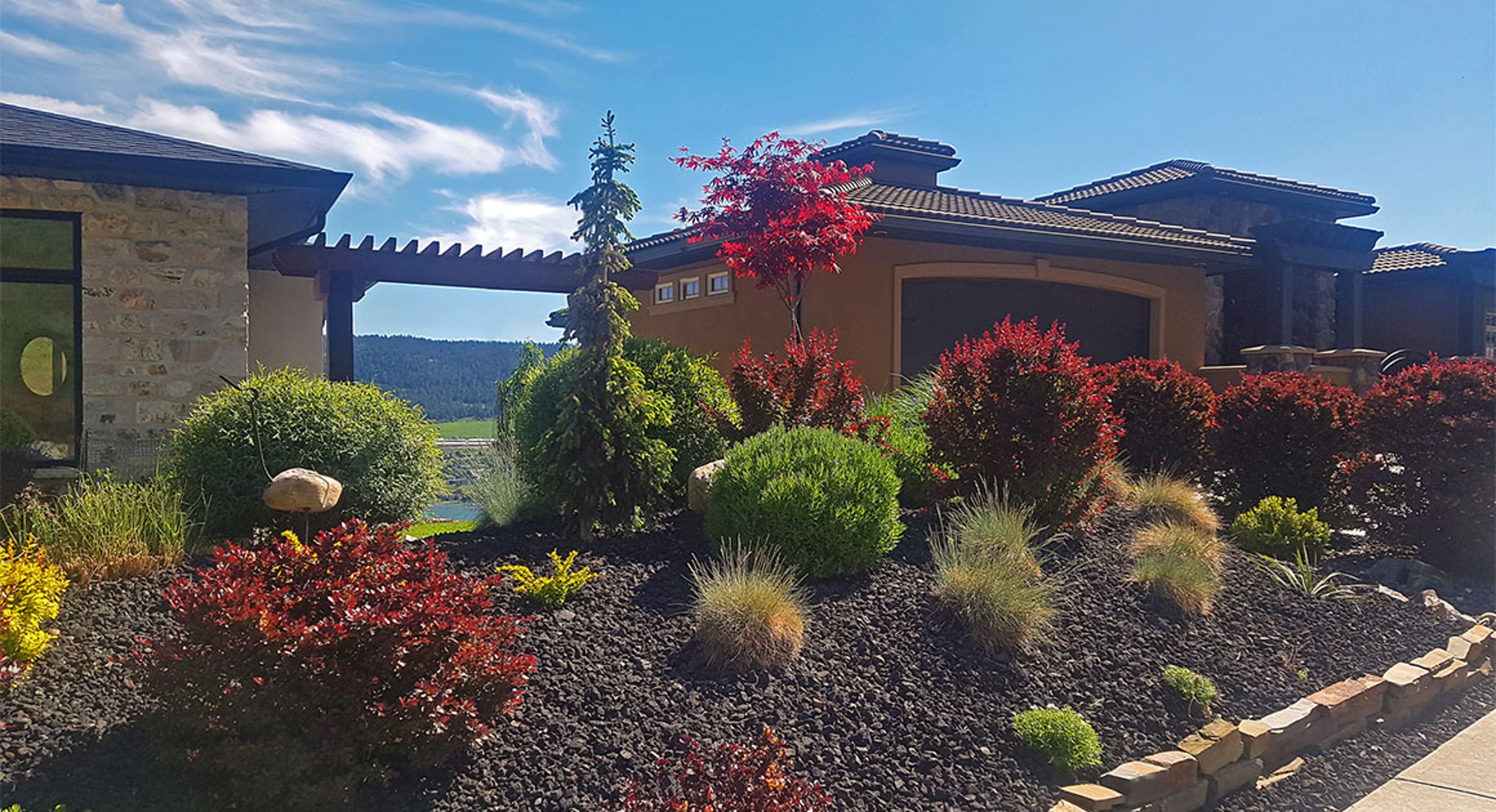

Warm summer months are on the horizon, which means you might be shopping for a new lawn mower or researching simple steps for a lush yard. But if you live in an area where heat waves and droughts are either long-lasting or frequent, you might consider upending—or dare we say upgrading—your landscaping approach. One option is xeriscaping, a method of lawn care that reduces your yard’s water needs without sacrificing aesthetic appeal.
“Just because you’re not watering as much doesn’t mean you have to settle for a drab garden,” says John Murgel, a horticulture expert affiliated with Colorado State University who specializes in drought-tolerant landscaping. “Choose the right plants—adapted to your garden—and you’ll enjoy maximum benefits for minimum effort.”
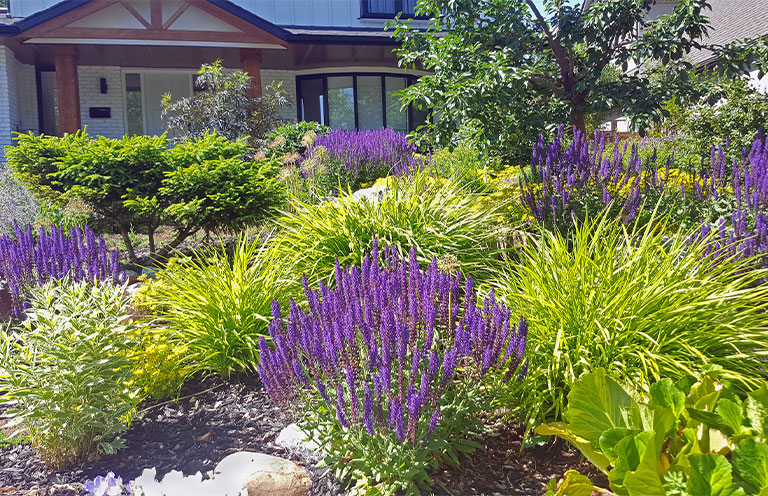
What is xeriscaping?
In Greek, “xeric” means “dry”—a fitting origin for xeriscaping, a landscaping technique designed to reduce water use in outdoor spaces.
To achieve this, xeriscaped yards incorporate plants adapted to low-water environments, Murgel explains. In most cases, this means decreasing or eliminating the use of traditional grass (or turf) as the dominant yard cover and replacing it with drought-tolerant plants.
Is xeriscaping right for you?
The answer is “yes” if, as Murgel puts it, you “don’t want a lawn, but you don’t want the surface of the moon, either.” That balance tends to appeal to people who:
- live in an area where water is at a premium—both in terms of cost and availability;
- have a yard that gets plenty of sun;
- want to save money on water and yard maintenance over time;
- prefer gardening to mowing a lawn, or
- want to attract birds and pollinators such as native bees, butterflies, and moths.
How can I get started with xeriscaping?
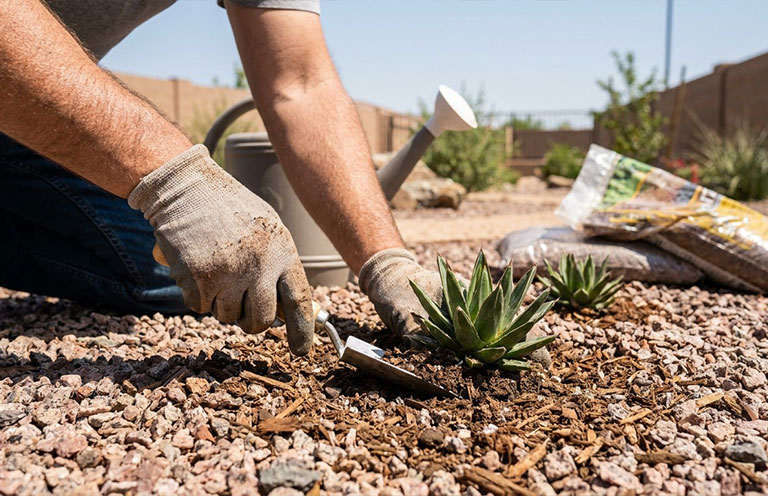
If you’re new to xeriscaping, start simple. These three strategies will help you design a low-water yard that still feels full, functional, and visually appealing.
Choose the right plants
For a xeriscape, you’ll select plants that can thrive in low-water conditions, including species native to or adapted to your geographic location. This is especially important for people living in desert or desert-like areas.
Water efficiently
While some xeric plants can survive on natural precipitation alone, xeric landscape designs often still use efficient watering systems. Drip irrigation is a popular option; it reduces evaporation by using small underground tubes to deliver water directly to the roots. Water harvesting—such as using a rain barrel—is another option, though you should check your state laws first.
Boost functionality and aesthetic appeal
Landscape experts also recommend adding hardscape elements to a xeric design. These features can be functional, such as a gravel pathway or flagstone patio, or purely aesthetic, such as a statement boulder or mulch bed.
“While a xeriscape can be in any garden style, naturalistic gardens are a common choice,” Murgel adds. “Combining boulders, gravel, and hardscape features with drought-tolerant plants can be a beautiful way to add texture and ‘weight’ to a garden.”

What are the benefits of xeriscaping?
There are several big upsides to xeriscaping your yard.
Water savings
Experts and water agencies report that xeriscaping can reduce outdoor water use by roughly 30 to 60 percent or more compared with traditional turf-based landscaping, depending on design and conditions. As a result, that water can instead support crops and help sustain aquifer and groundwater reserves, rather than keeping your grass a perfect shade of green.
Lower water bill
By decreasing water use, you’re also reducing energy costs—especially after a year or so, once plants are fully established. How much your bill drops depends on the size of the landscape conversion, how much water was used previously, and which plants are included in the xeriscape, Murgel explains.
Less frequent outdoor maintenance
To look their best, turf lawns require regular mowing, edging, and occasional fertilizing. Xeriscapes, on the other hand, can often be left alone for weeks or even months at a time.
“A lot depends on the garden design,” Murgel says. He notes that some xeriscapes require more intensive care only a few times per year (or less), while others require more ongoing attention. “The ‘solution’ is to make sure that you understand what care the plants you plan to install require over the years and make sure you’re equipped for it,” adds Murgel.
Connection to natural landscapes
Adding native plants to your yard can also create an inviting habitat for pollinators, birds, and other wildlife that evolved alongside them.
What are the drawbacks of xeriscaping?
No landscaping technique will be perfect for every home or family, and xeriscaping is no exception. The good news, however, is that many potential downsides can be minimized with thoughtful planning.
Drawback: Kids and pets may need turf grass to play and for bathroom use.
- Solution: Incorporate some turf grass alongside the native plants, mulch, decorative rock, and other xeriscape elements—just keep the overall amount of turf minimal.
Drawback: Upfront costs of xeriscaping are typically higher than installing turf grass.
- Solution: Approach the project in manageable and more affordable phases. For example, start by replacing a side lawn you rarely use with a seating area, or add a xeric border around an existing turf lawn in your backyard.
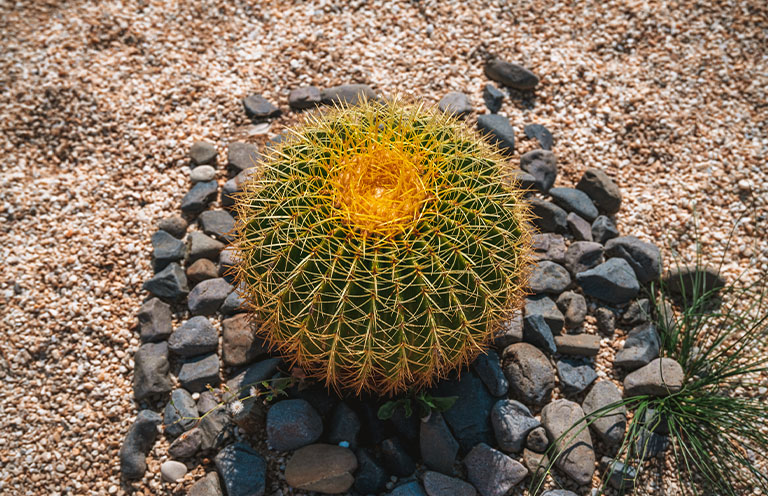
Drawback: Some low-water plants can be prickly or less vibrant.
- Solution: It’s true that cacti and succulents can be great additions to a xeriscaped yard. “But they’re not the only choice,” Murgel says, noting there are many ways to add purples, reds, and other colors into a xeriscape. “Hundreds, if not thousands, of commercially available plant species are suited for low-water gardens, including lavender, lilac, sages, many herbs, and several members of the daisy family.”
And don’t overlook those spiny stems; prickly pear is just one example of a cactus that is both brightly colored and flowering.
. . . . .
Xeriscaping can be a practical—and surprisingly beautiful—way to reshape your outdoor space on your own terms. Done well, it turns water-wise choices into something personal, functional, and genuinely inviting.