Usage-Based Insurance: Turn Your Driving Habits Into Savings
Pay for how you actually drive. Here’s how usage-based insurance can lower your premium (and when it might not)



As its name suggests, usage-based insurance is designed to align your premium with how—and how much—you actually drive.
For many drivers, that can translate into meaningful savings month to month. But as with most things involving insurance, there are pros and cons. Here’s what to know before deciding whether a usage-based auto policy is right for you.

How do usage-based insurance policies work?
Sometimes referred to as pay-as-you-drive or telematics-based insurance, these programs typically gather data via a smartphone app, a plug-in device connected to your vehicle, or built-in telematics that come standard in many newer cars.
Instead of relying solely on traditional factors such as age, location, and driving history, this type of policy looks at factors such as nighttime driving, acceleration rates, and other behaviors that insurers often associate with risk.
Some programs offer an upfront discount just for enrolling, with additional savings based on your driving behavior over time. Others are strictly mileage-based, meaning the fewer miles you drive, the less you pay.
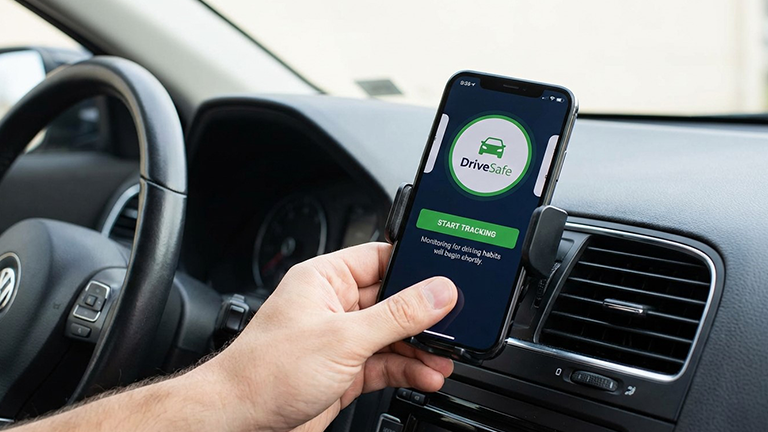
What kind of data is being tracked?
This is where many people pause—and understandably so.
Most programs focus on driving-related data rather than personal content. Still, it’s worth reviewing each program’s privacy policy to understand exactly what’s being monitored and how the data is used. If you value having control over how your data is used, this is an important factor to weigh alongside any potential monthly savings.

Who benefits most from usage-based insurance?
In recent years, usage-based policies have grown in popularity alongside the increasing number of drivers insurers consider low-risk. It can be a good fit for drivers with the following characteristics:
- Lower annual mileage. You drive significantly less than the national average—approximately 13,500 miles per year (or about 1,100 miles per month), according to recent Federal Highway Administration data.
- Remote or hybrid work. You’ve reduced your regular commuting.
- Consistent driving habits. You avoid hard braking or rapid acceleration.
- Secondary or rarely used vehicle. You own a car that isn’t driven daily.
On the flip side, drivers with long commutes, frequent late-night driving, or more variable driving habits may see fewer benefits—or even higher rates in some programs.

What are the downsides of usage-based insurance?
Usage-based insurance isn’t always the cheapest option, so it’s important to go in with clear expectations. As you weigh the pros and cons, keep the following in mind:
- Driving habits matter. Sudden braking or inconsistent driving could reduce potential savings.
- Savings may take time. Discounts based on tracked behavior may not appear right away, especially if you are billed monthly or per policy term.
- Privacy considerations. You’re sharing driving data in exchange for potential discounts.
That said, these programs not only reward good driving but can also encourage it. The promise of savings often makes drivers more mindful of how (and how much) they drive over time.

Is usage-based auto insurance right for you?
If you’re curious whether usage-based insurance makes sense for your situation, it can help to talk through your options with your insurance agent. AAA offers guidance on coverage types, driving-based savings opportunities, and policy comparisons to help you find the right fit for your lifestyle.
Usage-based insurance is one of those rare cases where small lifestyle changes can lead to a meaningful financial impact. If you’re driving less and driving carefully, it’s worth exploring.
The key is to treat it like any other financial decision: Understand how it works, compare your options, and choose what works best for your individual driving habits.