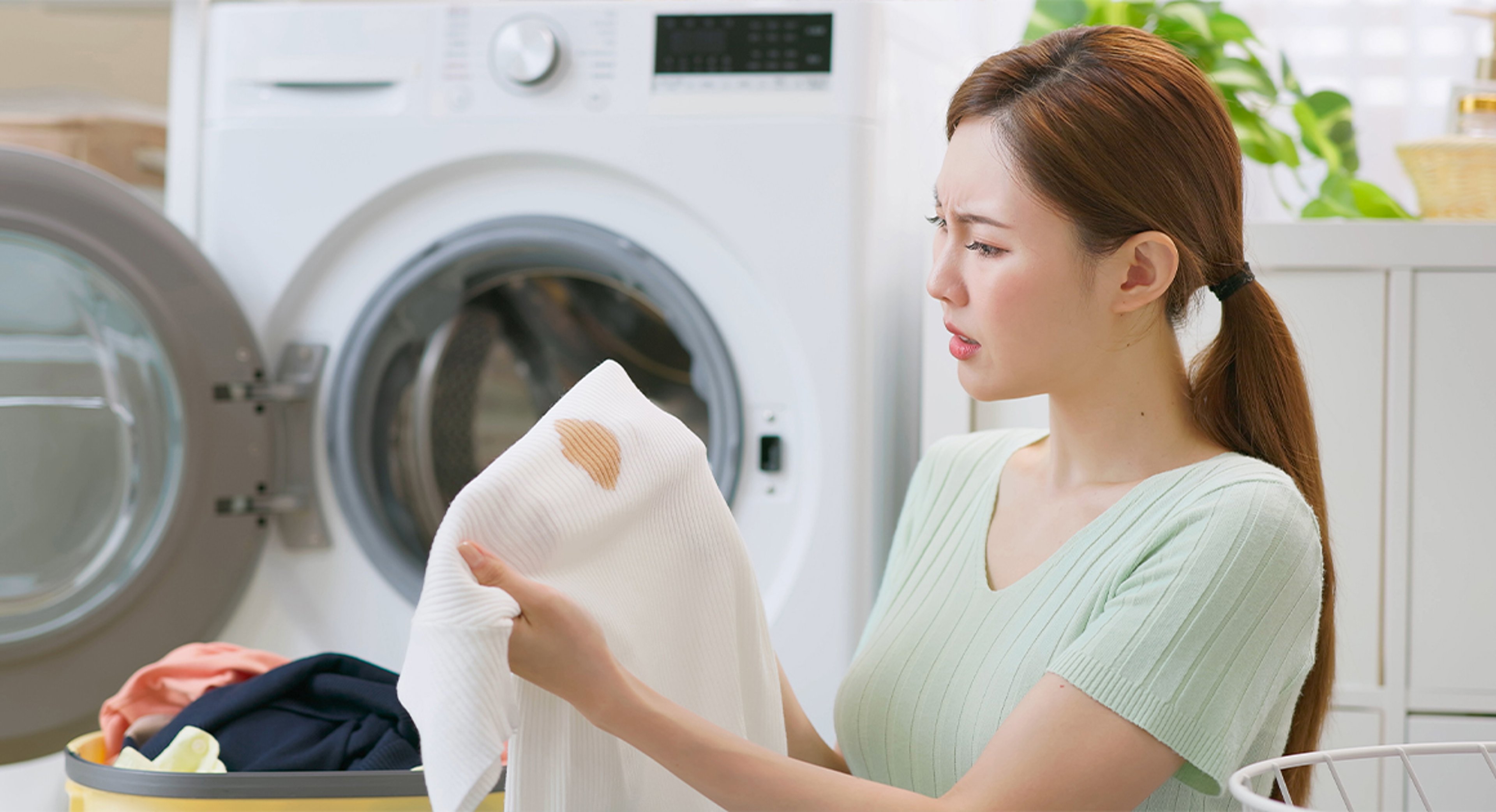

As a first-time mom bracing for every possible laundry disaster, I made myself a go-to “cheat sheet” for tackling stubborn baby stains—and taped it above the washing machine like a badge of survival.
Years later, with my daughter older and my husband and I still staining our own clothes, it felt like time for an update. To refresh and level up my stain-fighting playbook, I turned to Mary Gagliardi, also known as “Dr. Laundry,” the in-house scientist and cleaning expert for Clorox.
“There's definitely an economic benefit to being able to take care of your laundry,” Gagliardi says. “Clothing is expensive, and if you can keep it wearable longer, then it's good for your family's budget.”

What to have in your laundry toolkit
According to Gagliardi, theseare the essentials to keep onhand in your laundry room:
Laundry detergent
Choose one that includes enzymes, brighteners, anti-redeposition agents, and cleaning agents in the ingredients description, Gagliardi says, andmatch the detergent to your washer type for the best results. “A standard deep-fill washer can use regular detergent,” she says. “But a high-efficiency washer that uses less water must use a detergent with the ‘HE’ symbol on the label.”
Disinfecting bleach
In addition to adding it to the laundry along with your standard detergent when washing bleach-safe clothing, you can also use diluted regular bleach as a presoak before washing. “Just remember that it should always be diluted with water first. Never use the product full strength to treat any fabric or hard surface,” Gagliardi cautions.
Color-safe bleach
Gagliardi says she prefers the liquid version because of “its versatility as a pre-treater and through-the-wash laundry additive,” citing Clorox 2 For Colors as her go-to.
Dish detergent
Gagliardirecommends one that is petroleum-based, such as Dawn Original Dish Soap, instead of plant-based.“[Plant-based products] are effective enough,” she says. “But if you have a stain that you want to get out, especially an oily stain, a petroleum-based dish detergent will work better.”
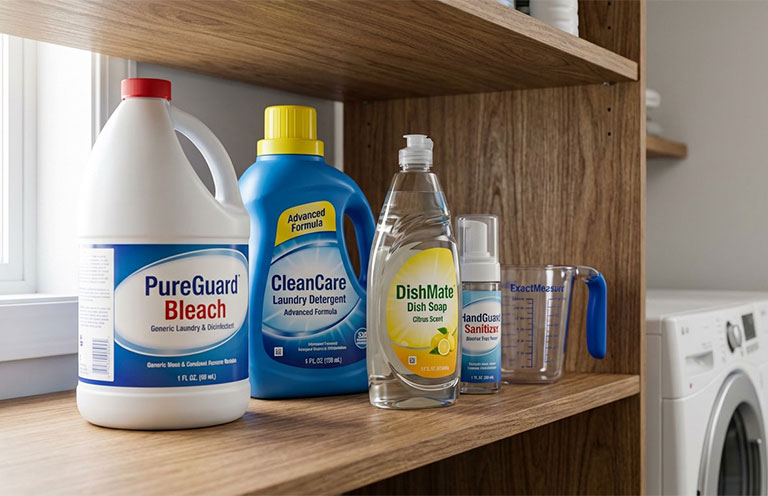
Hand sanitizer
It’s great for jump-starting the removal of an ink stain.
Plastic dishpan
Use itfor presoaking items or hand-washing delicate clothing.
Measuring cup and teaspoons
Keep these on hand for accurate measuring.
Towels
Use them to squeeze moisture out of hand-washed or gentle-cycle items and for placingitems flat to air-dry.
Small laundry brush
It works wonders in scrubbing stubborn stains.
Wool dryer balls
They’re ideal for tumble-drying items such as pillows and comforters so that they “poof” back up.
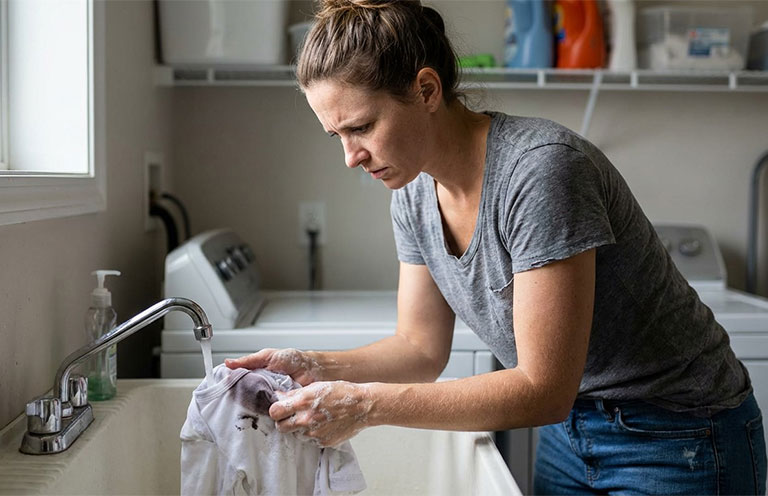
How to treat the most stubborn stains
In an era whenmany peopleGoogle orturn to ChatGPT for answers to laundry mishaps, Gagliardi says, “having your cheat sheet developed from a reliable source is the way to go.”
Online advice isn’t always tested or reliable, especially in the heat of a laundry emergency. That’s why being prepared matters.
Below, Gagliardi shares tips for cleaning the most common clothing stainswith Clorox products, all meticulously tested and refined at itsheadquarters. It’s worth printing out.

Food and drink stains
Coffee, tea, and berries
Rinse with cool water, and then presoak bleach-safe whites with a diluted disinfecting bleach solution (¼ cup bleach per gallon of water), or pretreat colored/spandex items with liquid color-safe bleach. Next, machine-wash with detergent and the appropriate bleach using the warmest water recommended. Air-dry and repeat if needed.
Red wine
Rinse with club soda or cool water immediately to reduce the stain. Pretreat bleach-safe whites with a diluted disinfecting bleach solution (¼ cup bleach per ¾ cup water) and colored/spandex items with a liquid color-safe bleach. Immediately machine-wash with detergent and bleach using the warmest water recommended, air-dry, and repeat if necessary.
Chocolate
Scrape off excess chocolate (don’t rinse), pretreat with dish detergent by rubbing a little into the stain and waiting five minutes, and then rinse with warm water. Machine-wash with detergent and the appropriate bleach. Air-dry and repeat if necessary.
Tomato sauce
Pretreat with dish detergent by rubbing a little into the stain and waiting five minutes, andthen rinse with warm water. For colored or spandex items, pretreat again with a liquid color-safe bleach. Machine-wash with detergent and the appropriate bleach using the warmest water recommended, air-dry, and repeat if needed.

Outdoor and household stains
Grease
Rub dish detergent into the stain, and let it sit for five minutes. Then, rinse with warm water. Machine-wash with detergent and the appropriate bleach using the warmest water safe for the fabric. Air-dry and repeat if needed, increasing water temperature.
Mud and dirt
Scrape or rinse off excess mud, and then presoak in powdered color-safe bleach for colored clothing (2/3 cup per 2 gallons hot water) for 30 minutes to eight hours. Machine-wash with detergent and the appropriate bleach for the fabric. Air-dry and repeat if necessary.
Ink and marker
First, pretreat liberally with an alcohol-based hand sanitizer, wait a few minutes, and then rinse.
- For white bleach-safe items: Next, pretreat white bleach-safe items with diluted disinfecting bleach (¼ cup bleach per ¾ cup water), then immediately machine-wash with detergent and more appropriate bleach using the warmest water recommended, air-dry, and repeat if needed.
- For colored/spandex items: Pretreat with a liquid color-safe bleach for 10 minutes. Then machine-wash with detergent and more appropriate bleach using the warmest water recommended, air-dry, and repeat if needed.
Grass
Presoak in a powdered color-safe bleach (2/3 cup per 2 gallons hot water) for 30 minutes to one hour. Machine-wash using detergent and the correct bleach for the fabric, air-dry, and repeat as needed, increasing water temperature.
Beauty and makeup stains
Deodorant
If you smear deodorant on your clothing while getting dressed, apply laundry detergent directly to dry fabric, rub it in, and then rinse and air dry. You can speed drying with a no-heat blow dryer.
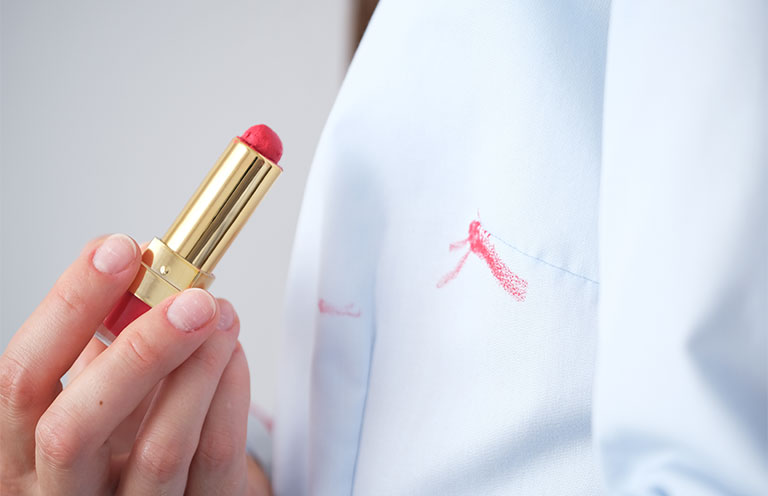
Lipstick
Press the stain face down on a dry white cloth, and then use a second dry cloth with a few drops of dish detergent to blot the stain through the fabric, transferring it to the first cloth. Repeat until there are no more transfers, and then rinse and machine wash with the warmest water safe for the item, using a disinfecting bleach for white items or a color-safe bleach for colored/spandex fabrics; air-dry and repeat if needed.
Foundation and makeup
Scrape away excess, rub dish detergent into the stain, and wait five minutes before rinsing thoroughly with warm water. Machine-wash with the warmest water safe for the fabric and the appropriate bleach. Air-dry and repeat if necessary.
Gross stains
Blood: Rinse with cold water, and then apply a liquid color-safe bleach directly to the stain and rub it in. Wait 10 minutes, rinse, and repeat if needed. Then, machine-wash with detergent and a color-safe bleach using the warmest water safe for the fabric; air-dry and repeat if the stain persists.
Poop
- For white bleach-safe fabrics: Rinse away solids, and then machine-wash with detergent and disinfecting bleach in the hottest water safe for the item. Air-dry and repeat if heavy stains remain.
- Colored fabrics or white fabrics with spandex: Rinse away solids, pretreat with a liquid color-safe bleach, and then machine-wash with detergent and more color-safe bleach in the hottest safe water. Air-dry and repeat if needed.
Throw-up and spit-up
Rinse with cool water, and then pretreat white items with a diluted disinfecting bleach solution or colored/spandex items with a liquid color-safe bleach. Machine-wash using the warmest water safe for the fabric, and then air-dry and repeat if necessary.
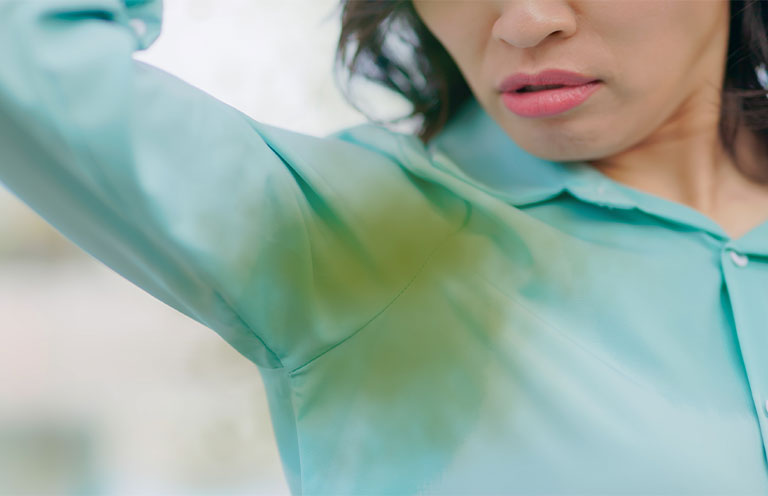
Underarm yellowing
Gagliardi recommends following these instructions, as the process is effective but more involved, depending on the stain.
A tip about water temperature
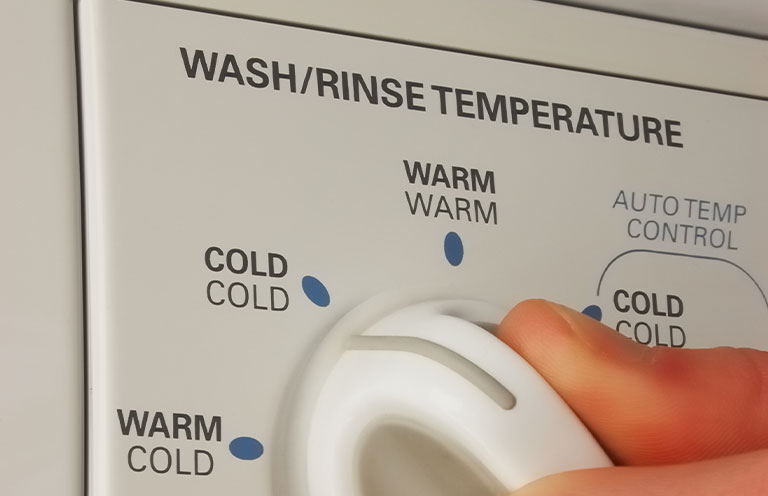
Before starting your washer, understand what care label temperatures really mean. In laundry terms, “cold” may be warmer than you think.
- Cold: Up to 86 degrees Fahrenheit. That’s the maximum recommended temperature for an item labeled “cold” on itscare tag. In winter—or in colder climates—your tap water may be far below that, which can affect cleaning performance.
- Warm: 87 to 104 degrees Fahrenheit. On care labels, this is often indicated by “40°C.”
- Hot: Above 104 degrees Fahrenheit, depending on the garment’s care instructions.
If clothes aren’t coming clean, adjusting the water temperature may be the fix. You can even pause a cycle and check with an instant-read thermometer.
. . . . .
I’m no Susie Homemaker, but being armed with this laundry survival cheat sheet goes a long way in my household—and, I hope, in yours.
That said, sometimes it’s worth calling in the professionals: “When you have a dry-clean only item or a harder to care for item like wool or silk,” says Gagliardi, “even if it’s technically washable at home, taking it to the dry cleaner can be a good option.”
For more guidance, visit Clorox’s cleaning and disinfecting tips page.