Is Premium Gas Worth It?
Your car only benefits from premium gas if it’s designed for higher octane
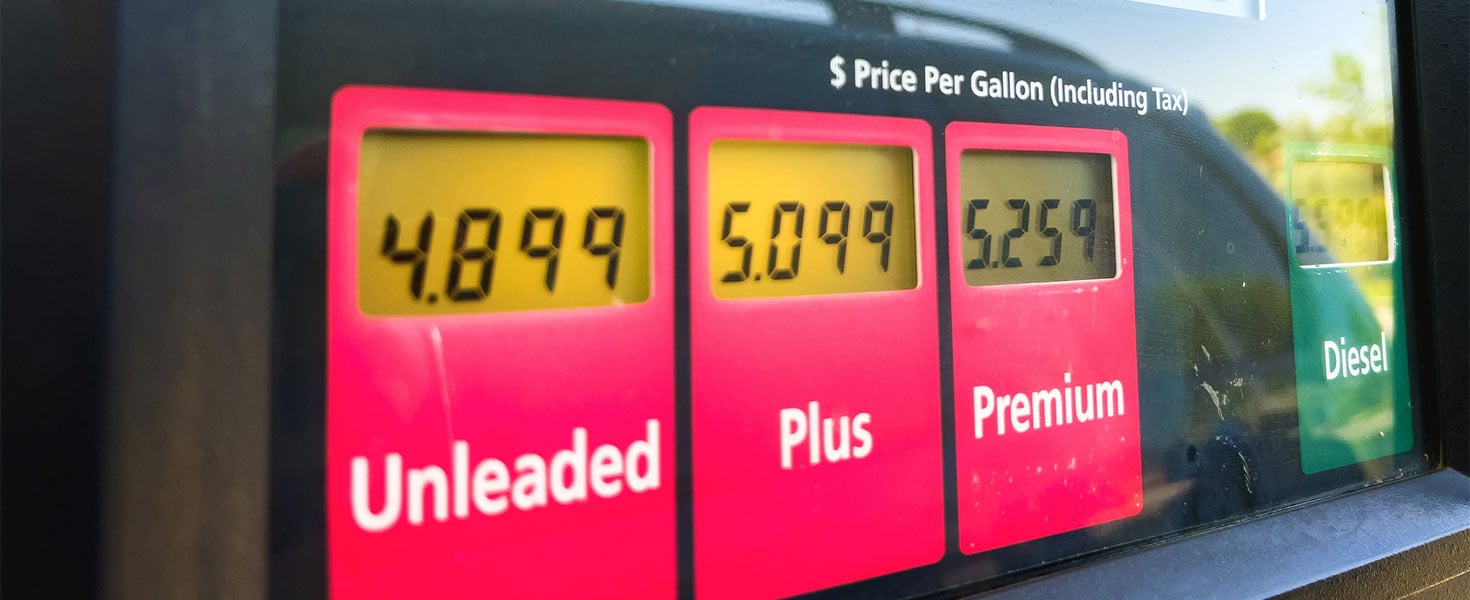


With gas prices currently surging due to global supply chain disruptions and geopolitical volatility, the premium for high-octane fuel has become a heavier burden for luxury and performance vehicle owners. As of April 2026, the national average shows the price gap between regular and premium has widened significantly, often exceeding $0.80 to $0.90 per gallon in many regions. For a driver covering 15,000 miles annually, this translates to an extra $450 to $600 a year just for a higher octane rating. While studies show economy cars see no benefit from the upgrade, the stakes are higher for engines designed for power. To understand if you can safely swap for regular gas to save money, we must first examine what "octane" actually does inside your engine.
The difference between premium and regular gas is octane
When it comes to the differences between fuels, it's all about octane ratings. Octane is the number you see over the different grades of fuel available at the gas pump. Regular octane fuel typically has a rating of 87, with mid-range fuel rating between 89 – 90, and premium fuels rating at 91 – 94.
The octane number associated with each fuel refers to its resistance to “knocking,” which is the phenomenon that occurs in a running combustion engine where the fuel-air mixture ignites spontaneously, outside the normal cycle of combustion.
Usually, knocking is caused by rising temperature and pressure in the cylinder, which results in uncontrolled combustion. This uncontrolled combustion can be bad because of the pressures and forces it exerts within the cylinder and the stress it causes other delicate components within the motor. At best, knocking can result in reduced fuel efficiency and power. At worst, if left unaddressed, knocking can lead to a whole host of problems, including blown head gaskets, damaged cylinders or valves, and more.
In general, higher octane gas offers a higher resistance to knocking. This is important to remember as we compare the function of high-performance or luxury engines with standard-fare, economy engines.

Will regular fuel damage a premium-gas-only vehicle?
Although the answer to this question is complicated and can vary from vehicle to vehicle, if a vehicle manufacturer recommends using premium, high-octane fuel, there's a reason behind it, and you should make every attempt to follow the advice. At best, using regular fuel in a premium-only vehicle can result in reduced performance, slower acceleration, and increased knocking. At worst, it can create lasting damage inside your engine that will be costly to repair.
High-performance engines are designed for more extreme driving conditions, often offering high torque, quick acceleration, and higher speeds. They frequently feature add-on performance parts like turbochargers, superchargers, or high compression. Because of this, the fuel is exposed to higher temperatures and higher pressure, both of which can cause lower-octane fuels to knock.
While an instance or two of knocking probably won’t damage anything, exposing such a finely tuned machine to repeated knocking can ultimately lead to damage and expensive repairs.
So while putting regular gas into a premium-only vehicle every once in a while probably won't damage it, you should avoid making a habit of it. You may save money at the pump by doing it, but in the long run, the expense of engine repairs from running low-octane fuel will wipe out any savings you may have realized.
If you’ve gone to the trouble of researching, buying, and running a high-performance vehicle, it only makes sense to take care of it. This means hitting your regular maintenance intervals, addressing mechanical issues and problems as soon as they arise, and following the manufacturer’s recommendations on fueling.