A Guide to Removing Your Car Battery
Learn about car battery replacement, plus information on battery terminals, battery recycling, and battery corrosion



While your vehicle battery is a critical component that helps start your vehicle and powers your on-board electrical accessories, car battery replacement is usually a fairly easy process that you can take on yourself if you have the right tools and knowledge. Car batteries can be expensive, so understanding how to disconnect a car battery and how to install a car battery yourself can save you money and a trip to the repair shop. But car batteries are heavy and electrically charged, so there are some things you should keep in mind to avoid electrical shocks, shorts, and potential damage to your vehicle.
In this article, we will look at how to disconnect a car battery properly and some things you should keep in mind to stay safe while saving yourself some money.
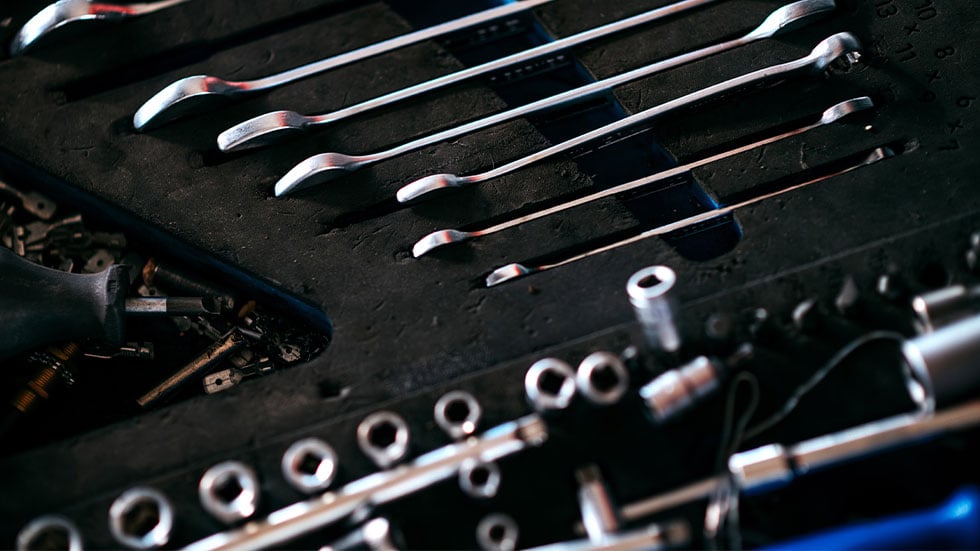
GATHER YOUR TOOLS
Before you pop the hood, you should make sure you have gloves, safety googles and an adjustable wrench or socket wrench to remove cables from the battery.
ENSURE THAT ENGINE IS OFF
Make sure your vehicle is not running and that all electrical components like headlights or infotainment systems are shut off. This will ensure no power is being drawn from the battery and that you can work to remove it safely.
LOCATE YOUR BATTERY
Typically, the battery for most combustion vehicles will be under the hood, however there are exceptions. If you are having trouble locating your battery, consult the owner's manual in your glove box.
IDENTIFY BATTERY TERMINALS
Find the positive (+) and negative (-) terminals by looking for the corresponding symbols. In most cases, your positive terminal and cable will have a red connector while the negative terminal and cable will have a black one.
DISCONNECT THE NEGATIVE TERMINAL
Use your wrench to loosen the nut or bolt on the negative terminal so the cable can be removed. Do not start with the positive as this could cause a dangerous electrical short. Take care when working with metal tools around your battery and never allow the tool to touch both terminals at the same time. This could electrify your wrench or damage your vehicle and its battery catastrophically. Once you have fully loosened the cable, disconnect it and secure it in a spot away from the battery terminals.
DISCONNECT THE POSITIVE TERMINAL
Loosen the nut or bolt on the positive terminal just as you did with the negative, still being careful to avoid touching metal to both posts simultaneously. Once loose, remove the cable and secure it away from the battery terminals.
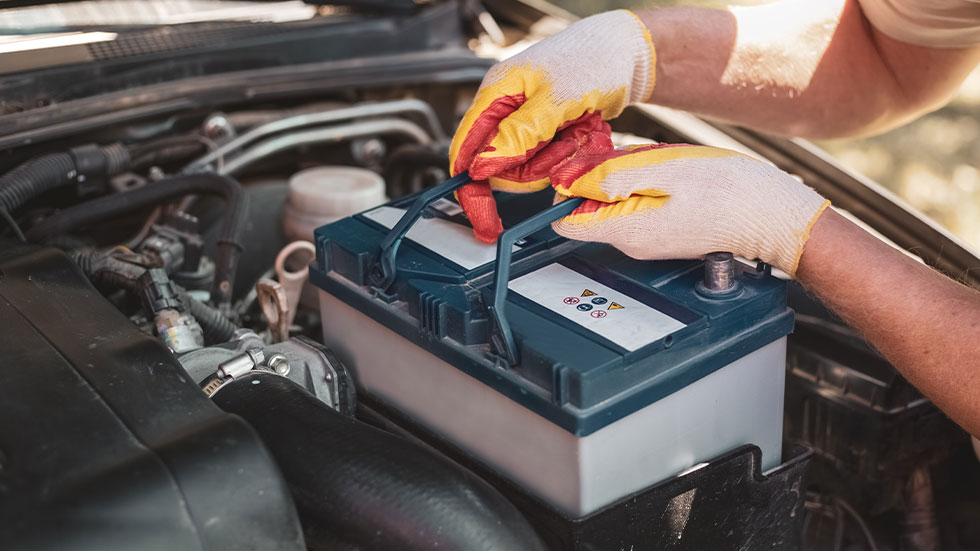
LOOSEN AND REMOVE BATTERY HARNESS
In many vehicles, there is a strap or harness that holds the battery in place. You will need to loosen this before lifting the battery from your vehicle.
REMOVE THE BATTERY
Once you have removed all cables, secured them away from the battery, and taken off any straps holding it into place, it is time to remove it. Batteries are heavy! Be sure to think about where you are going to place it before you lift it out of the vehicle.
Congratulations! You have successfully disconnected and removed your vehicle battery. Before reconnecting it or replacing it with a new battery, there are a few things to keep in mind.
Clean Your Terminals and Cables
If you notice any battery corrosion or debris on your terminals or cables, now is the time to clean them. Using baking soda, a bit of water, and an old toothbrush, gently work at the corrosion. Once you have worked at it for a bit, you should be able to remove any remaining buildup with a clean paper towel. Clean terminals will help your connectivity and keep your battery charging and discharging efficiently.
Place the Battery Flat in the Tray
The car battery should be resting inside its tray in a flat position. Once you have ensured it is secure, reinstall the harness and strap to keep it firmly in place.
Reconnect Cables
Starting with the positive terminal, reattach the cable and tighten it into place, then reattach the negative cable to its terminal.
Responsibly Dispose of Your Old Battery
Batteries can be recycled! They are filled with corrosive acid and other toxic materials that can be very harmful to the environment if disposed of improperly, so being responsible with your old battery is crucial. Auto parts stores and car dealerships can handle this for you. In fact, if you purchased a new battery from a store, they probably included a “core charge” that will be refunded to you once you return the old battery for recycling.