The Ultimate Car Maintenance Schedule for Beginners
Use this straightforward guide to oil changes, tire care, brakes, batteries, and other routine checks that can help prevent costly repairs



Car maintenance can be overwhelming, especially for new drivers and first-time vehicle owners. While issues can arise from time to time, most car maintenance tasks follow a predictable schedule. Setting up a simple routine can keep your car safe and running efficiently—and save you money in the long run.
"Staying on schedule helps prevent small issues from turning into major repairs and keeps vehicles operating safely and efficiently," says Melvin Escobar, AAA Car Care director for Maryland and Virginia.
That message is echoed by other automotive professionals. "Looking after your car, both inside and out, isn't about making it look nice," says Luke Oswald, automotive value specialist at Wheels Away, an online vehicle-buying and salvage marketplace. He emphasizes that keeping up with proper maintenance can help your car run longer and more efficiently.
Here's a beginner-friendly maintenance schedule to help you stay road-ready year-round.
What to check every month
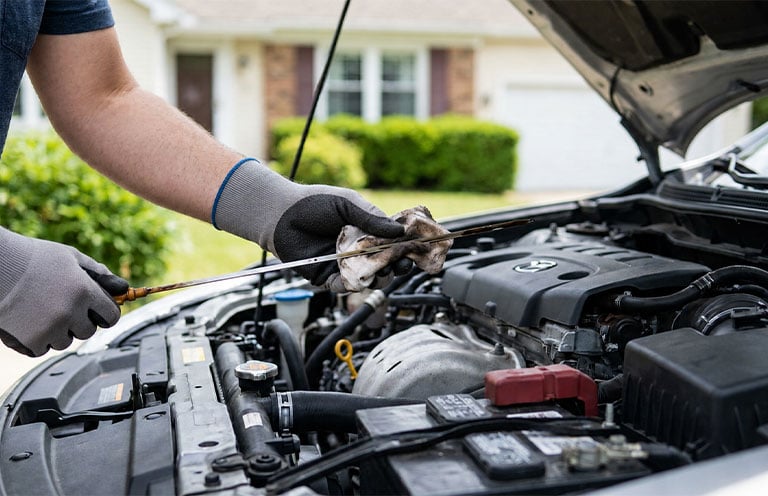
Get into the habit of checking your oil level using the dipstick, the long metal rod under the hood. The oil should fall between the minimum and maximum line markers on the dipstick. If it's low, top it up with the grade recommended in your owner's manual.
It’s also important to check your tire pressure and tread depth monthly.
For the most accurate tire pressure reading, Escobar recommends checking pressure when the vehicle has been parked for at least three hours. You can find the recommended PSI inside the driver's-side door jamb.
The legal minimum tread depth in most states is 2/32 of an inch, but Oswald recommends replacing tires once they reach 4/32 of an inch.

What to check every two to three months
Every few months, check all your exterior lights, since a burned-out bulb is easy to miss and can lead to a ticket or even an accident. These lights include:
- headlights,
- turn signals,
- brake lights,
- fog lights, and
- license plate light.
Inspect wiper blades for splits or streaking, and keep your windshield washer fluid topped up with a proper cleaning solution. "Don't just use water," Oswald cautions. "It won't cut through road grime or prevent freezing."
What to check every six months
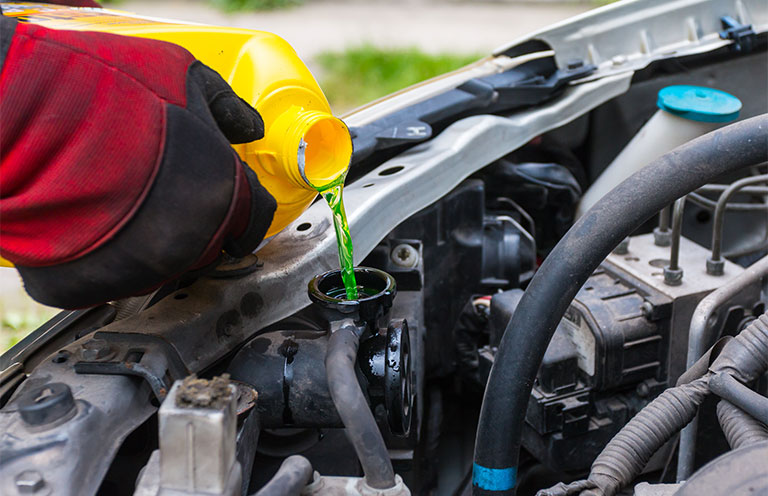
Check coolant levels every six months. Coolant is the liquid that prevents your engine from overheating, and it’s stored in a small, see-through reservoir under the hood. Always wait until your engine has cooled before opening the cap, as built-in pressure can cause serious burns.
While you're under the hood, inspect your battery. Look for white residue around the terminals, a sign of corrosion that should be cleaned. Make sure the cables are secure and firmly connected.
"A loose battery connection is one of the most common causes of breakdowns," Oswald says, "but it's actually one of the easiest to prevent."
Escobar also recommends a tire rotation and brake inspection every 6,000 to 8,000 miles, which for many drivers aligns roughly with a six-month interval.
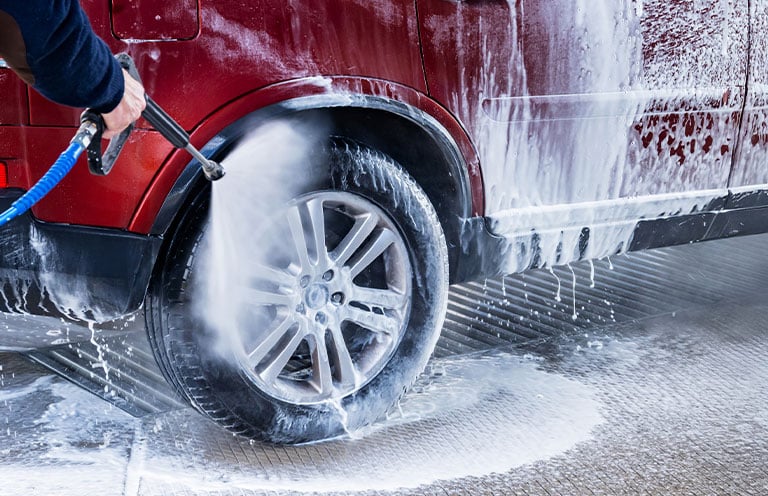
This is also a good time for a thorough exterior and interior cleaning. Dirt, grime, and moisture can cause rust and paint damage over time—and, according to Oswald, neglecting your car's appearance can lower its value by as much as 30%.
What to do every 5,000 miles
As a rule, you'll need to change your engine oil every 5,000 miles, although older vehicles may require it more frequently. Regular oil changes improve engine performance, support fuel efficiency, and can extend your car's lifespan.
Check your owner's manual for the recommended interval and oil type for your specific vehicle.
Escobar notes that an oil change is also a good time to check fluid levels across the board, which includes:
- coolant,
- brake fluid,
- transmission fluid, and
- power steering fluid.
Don't ignore warning lights
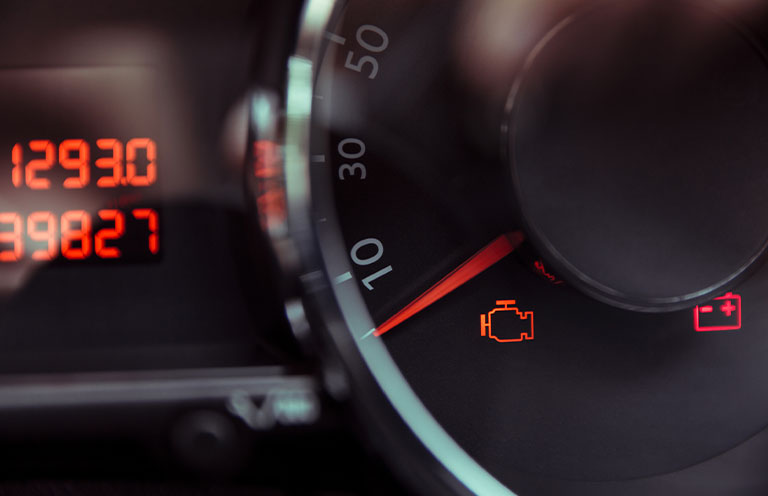
No matter how diligent you are with scheduled car maintenance, warning lights can appear at any time and should never be ignored.
"If a warning light appears—especially any warnings that mean you need to check your engine or oil pressure—you need to check this right away," Oswald says. "There will be guidance in your manual for what these warnings mean and what you need to do."
. . . . .
By building these simple checks into your car maintenance routine, you can catch small issues before they become expensive problems and keep your car running safely for years to come.