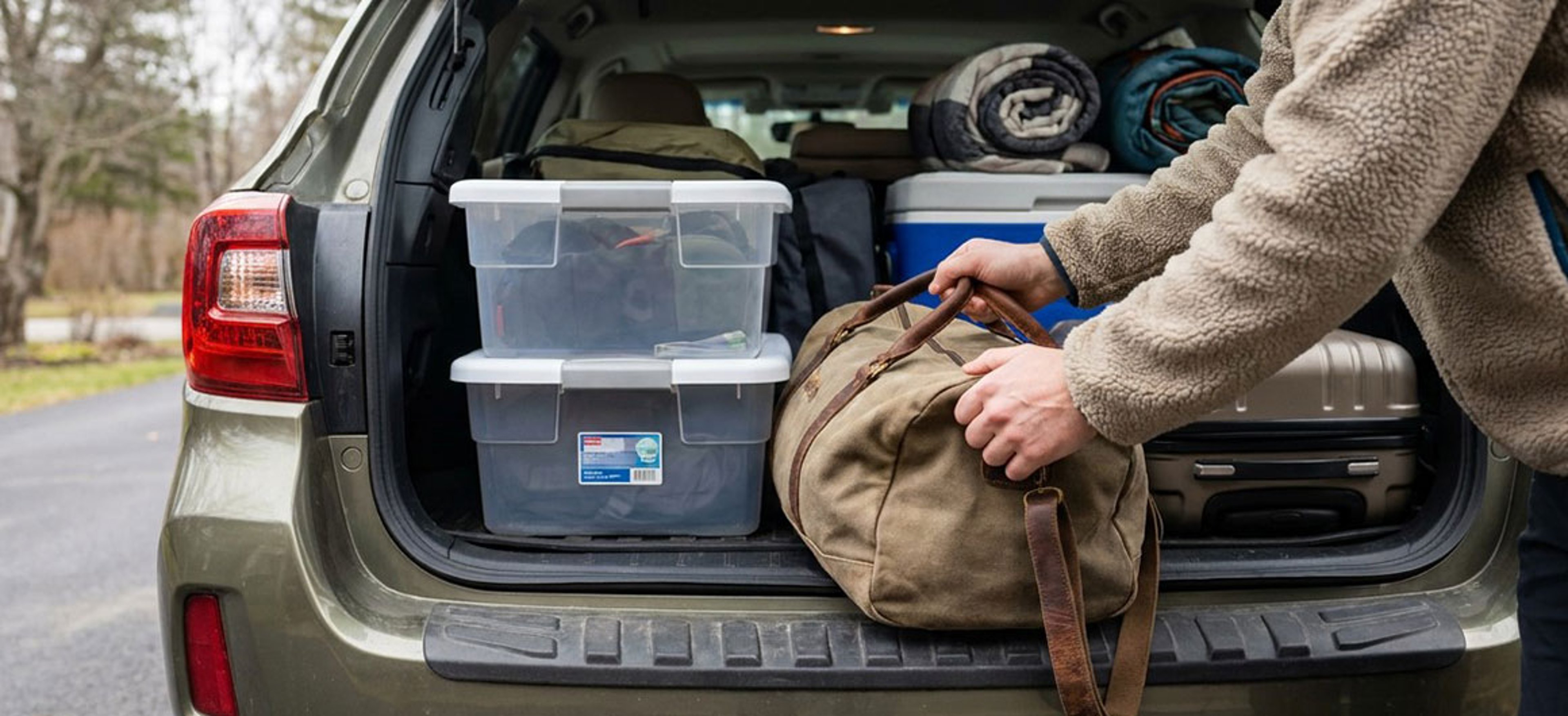
There’s nothing quite like gathering your crew and setting out for the open road.
Maybe it’s your family hopping into the minivan and heading four states over to Grandma’s house, Costco-size snack containers in tow, along with your son’s favorite stuffies—a collection rivaling that of the San Diego Zoo.
Or perhaps you’ve invited your besties on a long weekend ski trip and need to bring enough base layers and parkas for Everest-esque conditions, as well as your swimsuit, flip-flops, and robe (#HotTub).
Or it might be the year you toss camping gear (and a vat of mosquito repellent) into your SUV en route to finally check Isle Royale National Park off your bucket list.
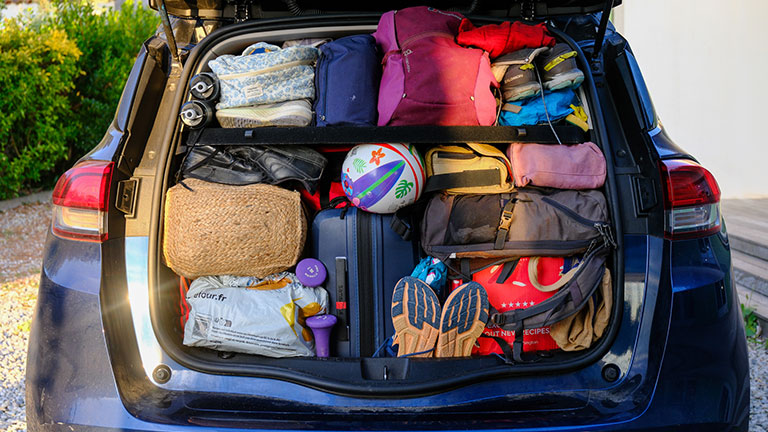
Whatever the destination or the packing list, you may realize your vehicle doesn’t have quite enough storage. You could rent a bigger car—or a moving truck—but there are plenty of other ways to add cargo space to your current ride and keep it better organized.
“Cargo boxes and organizers can elevate your comfort, convenience, and the safety of your trip,” says Travis Stevens, category manager at Thule, a leading maker of roof racks, cargo boxes, and travel gear. If items are overflowing into the seating areas or jammed willy-nilly into the back seat, it’s neither pleasant nor practical, he adds. “And you certainly don't want anything that’s weighted or has sharp edges (like a pair of skis) inside your car in an accident.”
Here, we break down cargo space boosters into interior and exterior solutions, calling out the particular pros and cons of each.
Interior cargo solutions
More than one cargument has broken out in our family when Dad couldn’t find his prescription sunglasses and the kiddo’s half-glance at the food bag—what he would call “aggressive searching”—means Mom’s case of the hangries goes unchecked.
The ensuing frustration, raised voices, and exclamations of “Don’t make me pull over!” could all have been avoided if we’d simply Marie Kondo-ed the space inside the vehicle with thoughtful products such as these:
1. Seat-back organizers
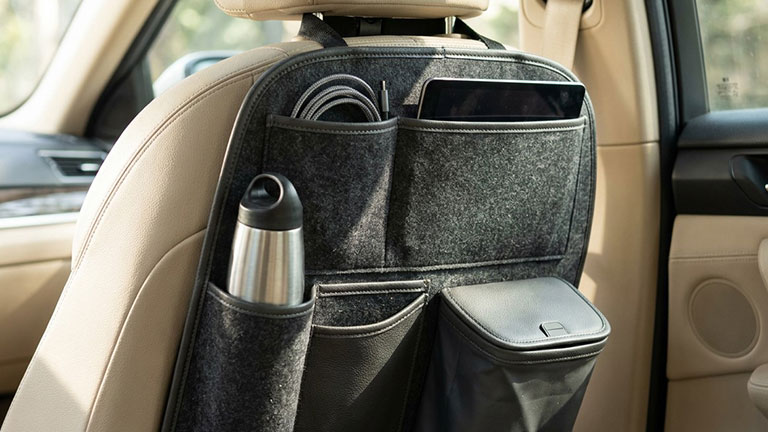
Turn the wasted space directly behind the front seat into bonus storage. StashAway and TrashStash are leak-proof car trash cans, ideal for those empty soda cans and takeout wrappers. Stretchable cargo nets are great for tissue boxes, pet gear, and other small yet bulky items.
Pros: Easy to access, uses otherwise unused space, relatively inexpensive
Cons: May need occasional cleaning to prevent odors, primarily holds smaller items
Best for: Keeping essentials such as crayons, snacks, and water bottles within reach and containing road trip rubbish
2. Hooks and hangers
Vehicles often have small, pull-down hooks near the back seat grab handles, but if you’re crossing the country—say, for your best friend’s wedding—you might need extra hanging space for your Vera Wang gown. This car clothes hanger and carrier can help.
Pros: Helps prevent wrinkles in clothing
Cons: Items may rattle against windows and can obstruct back seat visibility.
Best for: Gowns, tuxedos, and other wrinkle-prone attire
3. Auto visor organizers
No more digging through your glove compartment for your AAA Roadside Assistance info. This visor document organizer attaches to your visor to keep flat items neatly in one place.
Pros: Keeps documents protected from bending and tearing
Cons: Limited to flat, lightweight items
Best for: Important documents, cards, and permits
4. Bags, boxes, and bins
You’re probably already using some type of gear hauler to (A) get items from your house to the car and (B) keep them from rolling around once they’re inside. If not—or if you’re ready to upgrade—consider:
- Wide-mouth market bags with plenty of pockets such as the Cotopaxi Allpa 60L Gear Hauler Tote
- Compartmentalized, semi-rigid bags such as the Chasm gear haulers from Thule (which can fold down to take up less space when not in use)
- Simple plastic bins from a home improvement store.
Pros: Available in countless sizes and styles, doubles as an everyday carryall
Cons: Can take up storage space at home when not in use
Best for: Snacks, sporting goods, and general road trip gear
Exterior cargo solutions
Upgrading from a mid-size to a full-size vehicle is a major investment. Exterior cargo haulers can make your car feel bigger—at a fraction of the cost and without the hassle of buying or renting a new vehicle.
They also add flexibility when it comes to where you store your gear. “You now have the choice–depending on the amount of people that you're bringing with you, the type of trip you're going on, and what gear you'll need—to put things where they are the most convenient and the most safe for your journey,” says Stevens.
Of course, always make sure external cargo is safely fastened. Also, be prepared for trade-offs such as increased wind resistance and reduced fuel efficiency or EV range.
1. Roof-mounted solutions
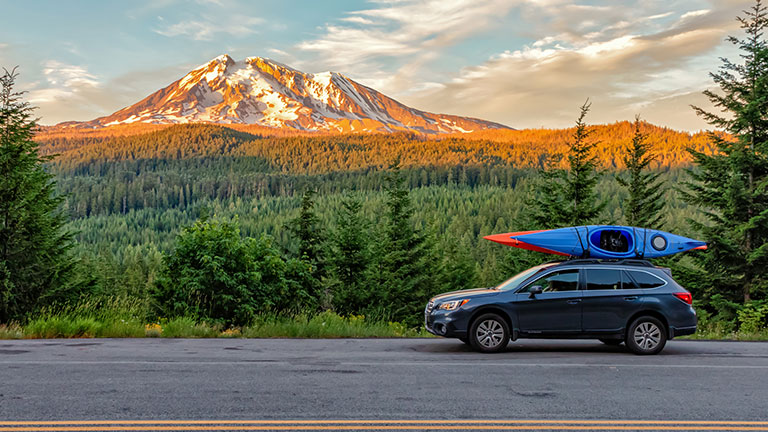
There are plenty of ways to store items on your vehicle’s roof. Cargo roof boxes—such as options from Thule—are long, enclosed containers that protect gear from the elements and can usually be locked for added security. They’re a great way to increase cargo space without sacrificing passenger room.
Specialty racks and weather-resistant bags are also rooftop options. Keep in mind that crossbars (horizontal bars mounted across your roof) may be required and that roofs have weight limits. Check your vehicle’s owner’s manual for those details. So, it’s often best to keep extremely heavy items inside the vehicle.
Pros: Adds significant storage space, a wide variety of styles and sizes
Cons: Weight limits, requires overhead loading, may require crossbars
Best for: Skis, tents, and other bulky, lightweight and/or wet outdoor gear
2. Hitch-mounted solutions
As the name suggests, hitch-mounted carriers attach to your vehicle’s trailer hitch, so you’ll need to have one installed. Their lower height makes them easier to load, especially for heavier items such as bikes, but they’re more exposed to road grime.
Pros: Easy to load, more aerodynamic than rooftop solutions
Cons: Width limits what you can carry, items get dirtier, requires a hitch
Best for: Camping gear, coolers, and items that can handle some dirt
3. Trailers
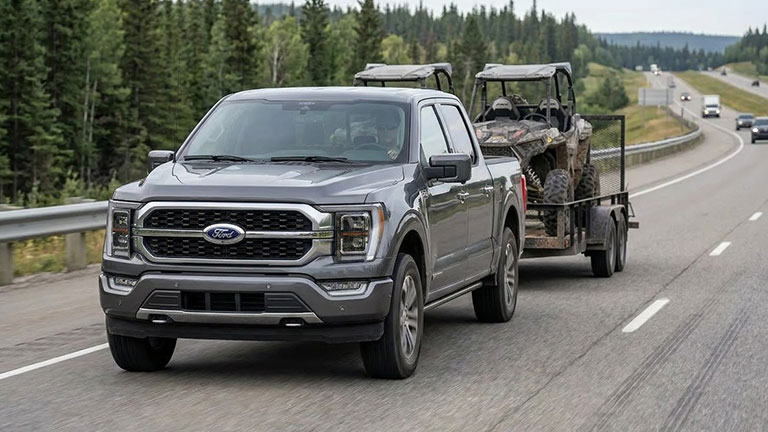
Hauling large items, heavy items, a lot of items—or all the above? A trailer can handle it. That said, it also makes driving and parking more challenging, renders your backup camera largely useless, and may require annual registration. You’ll likely pay higher tolls, too, due to the extra axles.
For occasional use, renting a trailer may be the smarter option since you won’t need to store it when it’s not on the road.
Pros: Can carry a wide range of large and heavy items
Cons: Complicates driving and parking, may require registration, and is difficult to store if owned
Best for: Large, heavy gear such as boats and ATVs
.....
With the right cargo setup, you can maximize cargo space, travel safer, and focus less on the chaos—and more on the adventure ahead.