5 Hotel Questions to Avoid—and What to Ask Instead
Hotel staff explain how small etiquette missteps can affect your stay



Hotel staff are there to help—but how you ask some common questions matters as much as what you ask.
Vague demands, requests for exceptions, or questions that ignore policy can unintentionally put employees in awkward positions, a hotel etiquette misstep that many travelers don’t realize they’re making.
The most effective approach is to be clear about your needs, ask about available options, and respect that rules exist for a reason. When framed thoughtfully and delivered with the right tone, most requests are much more likely to receive a helpful response.
Here are five questions to avoid asking—along with a better way to ask instead, according to hotel staff.

1. Can you upgrade me for free?
Why it’s problematic:
Front desk staff often don’t have full control over upgrades. Availability can be governed by occupancy, loyalty status rules, revenue controls, and more. Asking outright puts staff in the position of saying no—or appearing unhelpful or uncaring.
A better approach:
“‘Are there any upgrade options available today?’ This signals flexibility and respects hotel policy,” says Kristina Wagner, general manager of the Williamsburg Lodge, Autograph Collection, in Virginia. “It also allows the hotel to let you know if anything is available for a fee, often at a deal less than the typical rate, rather than just saying ‘no.'"
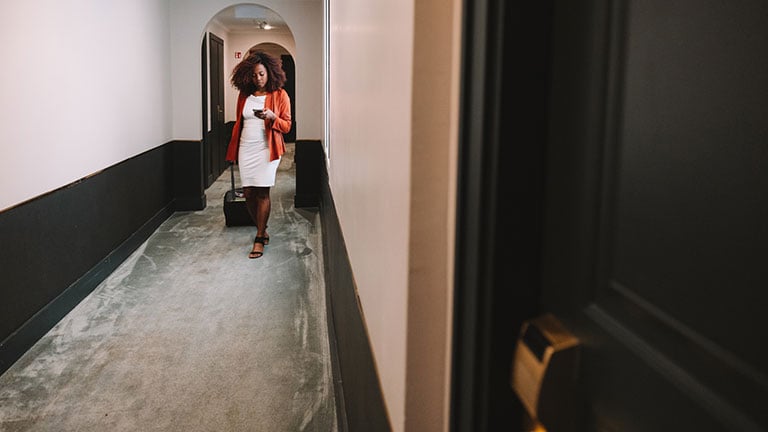
2. Which rooms are empty?
Why it’s problematic:
This question raises immediate security red flags in the industry. Hotels rarely disclose room occupancy for guest safety reasons and are likely to have policies against it.
A better approach:
“Ask more directly for the information you need,” says Wagner. “If you’re looking to switch to a room farther from the elevator or want to check in to the highest floor possible, just say so. Once the hotel knows your needs, it’s often possible to suggest the most suitable option for you without violating any security policies.”
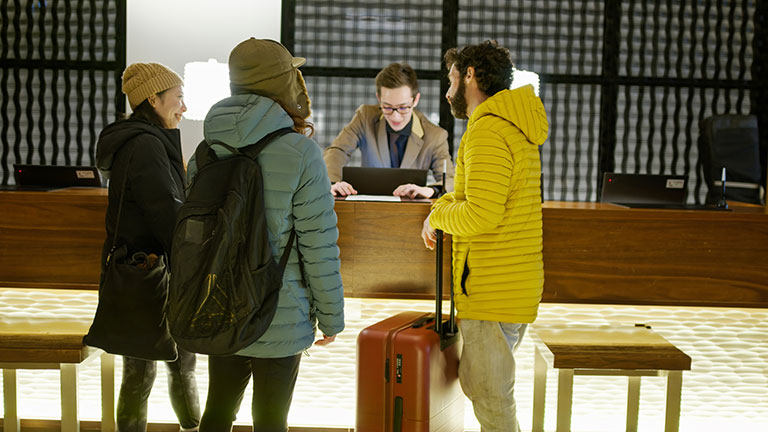
3. What’s the best room in the hotel?
Why it’s problematic:
“Best” is subjective. What's best for you could be the opposite of what someone else is looking for, and it doesn't always mean the most expensive room in the hotel. Without more context, the hotel has no way of knowing what "best" means to you, so this is a nearly impossible question to answer without more personalized information.
A better approach:
“Ask a specific question that notes what you're actually curious about,” says Rodolfo Parra, chief concierge of the DOUGLAS, Autograph Collection in Vancouver, British Columbia. “Questions like, ‘Which is the biggest room in the hotel?’ [and] ‘Which rooms have the most spectacular views?’ and ‘Which rooms are the most secluded?’ allow the hotel to point you in the direction of the room that truly suits your idea of best. Or, if you're just curious about amazing rooms regardless of whether you stay in them, you could also ask, ‘Do you have a favorite room, or room category, in the hotel?’
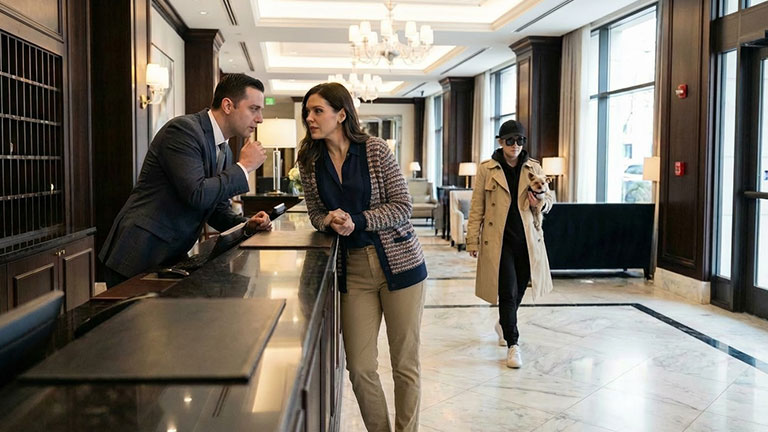
4. Have any famous people stayed here?
Why it’s problematic:
Guest privacy is expected and often mandated. Even confirming past stays can violate some hotel policies or celebrity nondisclosure agreements, especially at luxury properties. If the celebrity didn't share the news, the hotel often can't either.
A better approach:
“‘Does the hotel have any interesting history or notable guests?’ This invites approved storytelling without breaching confidentiality,” says Dave West, concierge at the JW Marriott Tampa Water Street in Florida. “If the hotel is allowed to share some names, they'll probably do so. Either way, you're going to hear some of the hotel's proudest moments.”
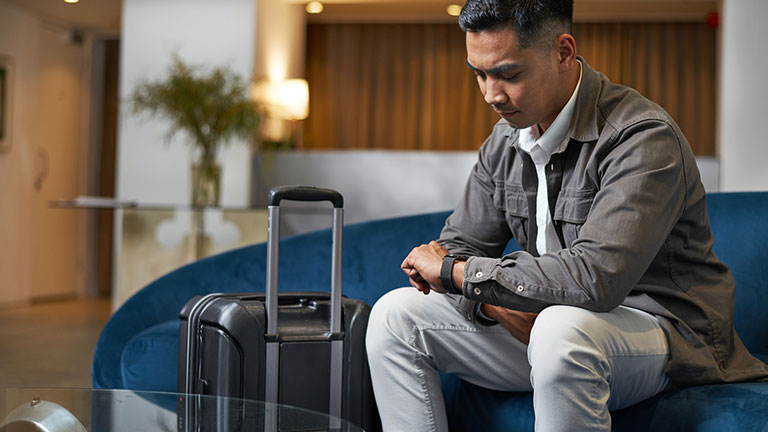
5. Can’t you just check me in early?
Why it’s problematic:
You may have traveled a long way, but if they could check you in, they would. The hotel doesn’t want you lingering in the lobby in a bad mood any more than you do. Basic hotel etiquette acknowledges that readiness depends on more than arrival time. If you haven’t been checked in yet, it’s usually because a room in your category isn’t open, clean, or otherwise ready. They’re actively working on it and will get you in as soon as they can.
A better approach:
“You may want the room now, but politely let the front desk know what you actually need,” says West. “If you need to change and run to a meeting, they may have a space available for that and can hold your luggage while you’re occupied. If you just want to grab lunch at the buffet or hit the resort pool, you can likely do this even before you’re fully checked in. You can also ask if there’s a waitlist for early check-ins and explain why you’d like to be on it, but remember it’s not a promise. Certain chains, like Marriott, have features within their website or app that can help and often provide priority for their loyalty members, too.”
…..
Asking the right question is one of the simplest rules of good hotel etiquette—and one of the easiest ways to get a better experience without putting anyone in an awkward or impossible position.