


A home renovation is an exciting opportunity to personalize your space, enhance comfort, and potentially boost your home’s value. But amid the excitement of design plans and construction dust, many homeowners overlook one critical detail: insurance coverage.
Whether you’re remodeling a kitchen or adding a new deck, it’s important to understand what homeowner’s insurance covers during and after the renovation—and what steps you can take to avoid costly surprises.

What’s typically covered by homeowner’s insurance
Homeowner's insurance is designed to help protect you from financial loss if something unexpected happens to your home or belongings. A standard policy typically includes three key types of coverage:
- Dwelling coverage helps pay to repair or rebuild your home if it’s damaged by a covered event such as fire, wind, hail, or vandalism.
- Personal property coverage protects your belongings—such as furniture, electronics, and clothing—if they’re stolen or damaged by a covered peril, both inside your home and, in some cases, even when you’re away.
- Liability coverage helps cover medical bills or legal expenses if someone is injured on your property or if you accidentally cause damage to someone else’s property.
Some policies also include additional living expenses (ALE) coverage, which helps pay for temporary housing, meals, and other necessary costs if you can’t live in your home while it’s being repaired after a covered loss.
It’s important to note that homeowners insurance doesn’t cover everything. Standard policies typically exclude floods, earthquakes, and normal wear and tear. You’ll need separate or supplemental policies to protect against those risks.
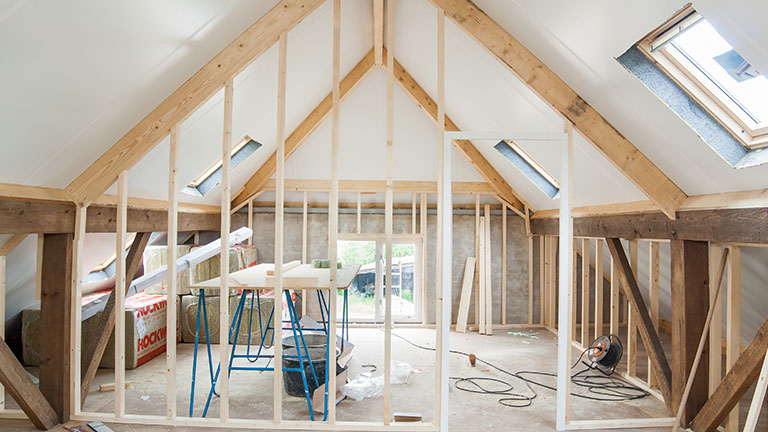
What homeowner’s insurance covers during renovations
Before starting a home renovation, be sure to review your current homeowner’s policy carefully. While most policies provide some protection if your home is damaged during construction, the level of coverage often depends on the size and scope of the project.
For smaller updates—such as repainting rooms, replacing flooring, or upgrading fixtures—your standard homeowner’s policy may provide enough protection for accidental damage or theft of materials.
For larger or structural projects, however—such as adding a room, expanding a deck, or finishing a basement—you may need extra coverage to avoid gaps in protection.
Here are a few insurance options to consider when renovating your home:
- Dwelling under renovation endorsement
This add-on extends your homeowner’s coverage while renovations are underway. It protects both the existing structure and any building materials if they’re damaged by fire, water, or other covered events. Some policies may also cover materials stored on-site or in transit. - Builder’s risk insurance
Often required for major remodels, this temporary policy covers damage to your home and construction materials during renovation. It typically protects against risks such as theft, vandalism, and certain weather events while work is in progress. - Vacant home insurance
If you plan to live elsewhere during the renovation and your home is unoccupied for more than 30 to 60 days (depending on the insurer), it might be considered “vacant.” Standard policies often limit coverage for vacant homes, so this separate policy helps ensure you’re still protected while you’re away.

Common renovation scenarios that lead to insurance claims
Even the most well-planned renovation can bring unexpected problems. Here are common situations that often result in homeowners filing insurance claims during or after renovations:
- Accidental damage
Mistakes can happen on a busy job site. For example, a contractor might accidentally puncture a water line, causing flooding, or a power tool could spark a small fire. Whether you’re covered depends on the cause of the damage and the insurance policies in place—both yours and the contractor’s. Your homeowner’s insurance or dwelling under renovation endorsement may cover accidental damage, but clarify the details in advance. - Theft or vandalism
Construction materials, appliances, and tools left on-site can be attractive targets for theft or vandalism. Standard homeowner’s insurance may offer limited protection, but builder’s risk insurance or a renovation endorsement can help cover these losses. - Contractor negligence or poor workmanship
If a contractor causes damage or delivers substandard work, their general liability insurance should cover the cost of repairs or replacements. Always confirm that your contractor is licensed, bonded, and insured. Don’t hesitate to request proof of coverage before work begins. If they’re not properly insured, you may be left paying for the damages out of pocket.
- Injuries on-site
If a worker is injured on your property during the renovation, their workers’ compensation insurance should cover medical expenses and lost wages. But if the contractor or subcontractors don’t carry proper insurance, you—as the homeowner—could be held liable for injuries that occur on your property.
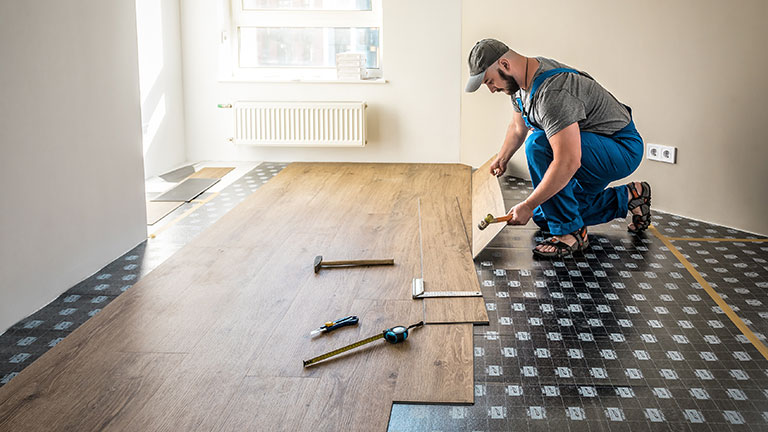
What coverage is needed after renovations are complete
Once your renovation is finished, it’s essential to update your current homeowner’s insurance to reflect your home’s new features and increased value. Improvements such as a remodeled kitchen, finished basement, or added square footage can raise your home’s replacement cost—and your previous coverage limits may no longer be sufficient.
For example, if your home was insured for $200,000 before renovations but would now cost $250,000 to rebuild, your old policy may leave you underinsured after a major loss. Updating your policy ensures your coverage matches your home’s current value.
Be sure to request a reassessment of your property and discuss the following updates with your insurance agent:
- Dwelling coverage
Adjust your policy limit to match your home’s new replacement cost.
- Personal property coverage
If you purchased new appliances, electronics, or furnishings as part of the renovation, make sure your contents coverage reflects those upgrades.
- Liability coverage
If your renovation added features such as a swimming pool, hot tub, or large deck, consider increasing your liability limits. These amenities can increase your liability risk if someone is injured on your property.

The bottom line
Protecting your home renovation investment requires planning, communication, and the right coverage. To stay protected, keep these key steps in mind:
- Talk with your insurance agent before any work begins to determine what additional coverage might be needed.
- Confirm your contractor’s insurance by requesting proof in writing.
- Take photos, keep receipts, and update your policy after the renovation.
The right homeowner’s insurance can help you protect your renovation investment every step of the way—before, during, and after construction.