The No-Drama Guide to Garbage Disposal Maintenance
From foul smells to stubborn clogs, the right maintenance can add years to your garbage disposal's life if you know what to put in and what to keep out
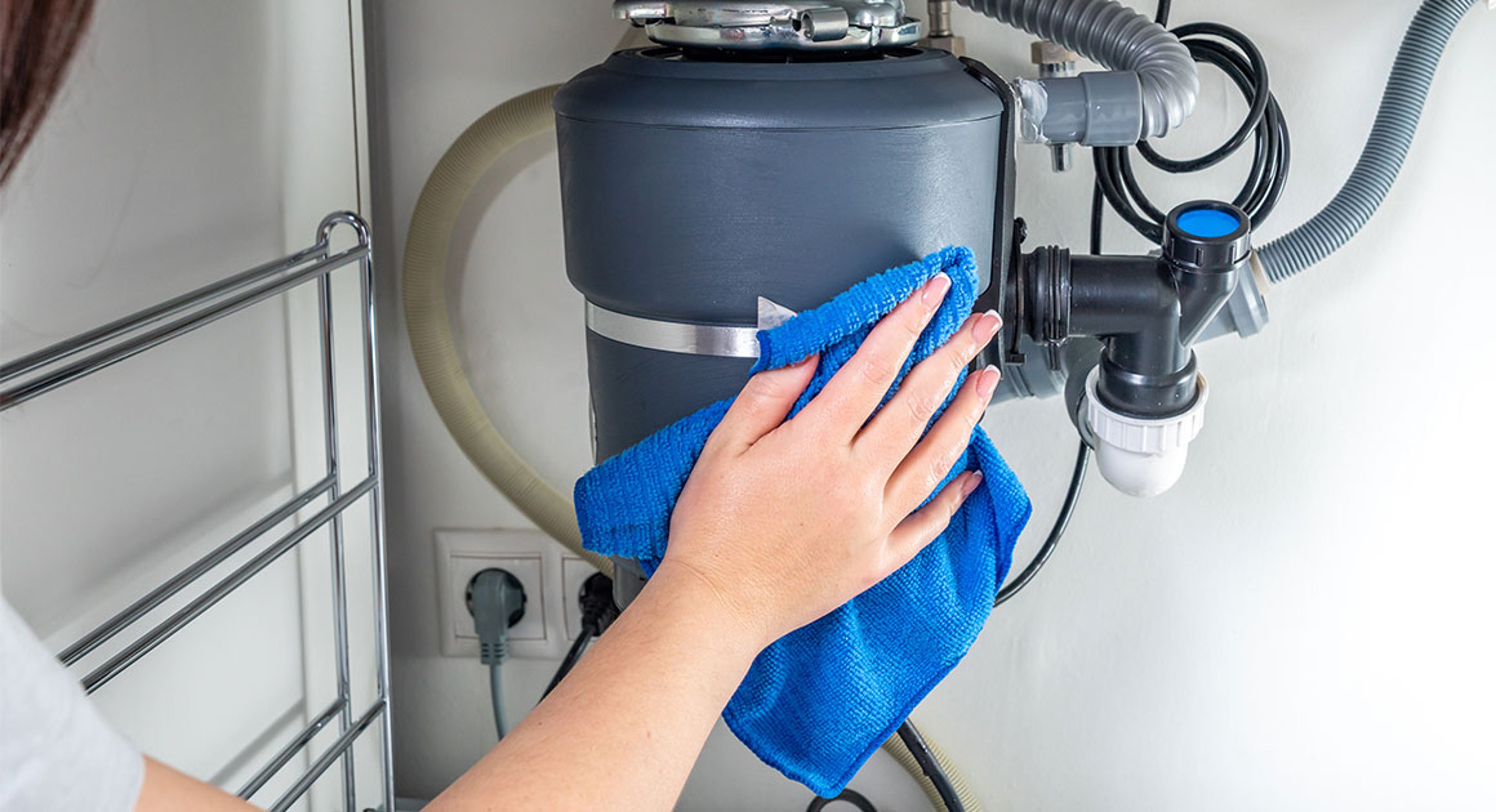

You probably don't think much about your garbage disposal—until it starts sounding like a blender full of gravel or smells like last week’s salmon. The good news? A little routine TLC goes a long way. Here's everything you need to know to keep your garbage disposal running quietly, cleanly, and smoothly for as long as possible.
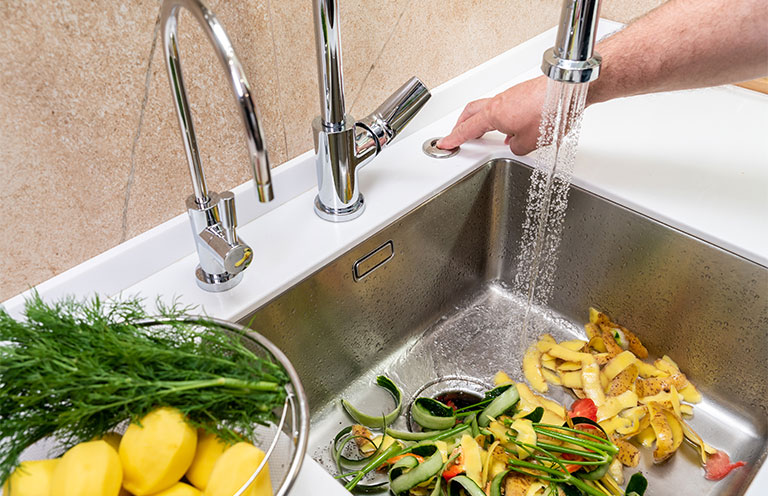
What you can—and can't—put down the garbage disposal
Think of your garbage disposal as a helper for small amounts of soft food scraps—not a second trash can. Most units handle scraps such as vegetable trimmings, soft fruit pieces, and small leftover bits. Keep cold water running throughout; it helps solidify any residual fats and flush away more cleanly instead of coating your pipes.
So, what should you skip? Fats, oils, and grease (collectively known as FOG) are among the worst offenders. The US Environmental Protection Agency identifies grease as a leading cause of sewer blockages nationwide since what starts as liquid can congeal into a pipe-clogging nightmare once it cools. That includes butter, cream sauces, meat drippings, and even peanut butter.
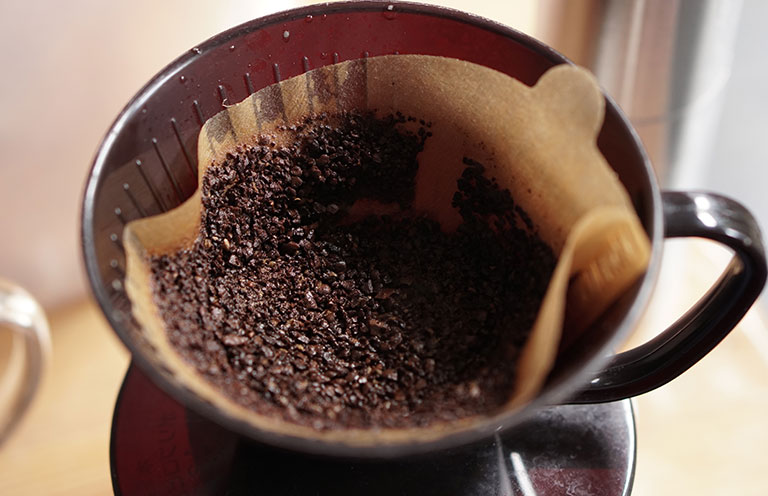
Fibrous foods—such as corn husks, celery strings, and onion skins—can also cause problems. They can wrap around the garbage disposal’s grinding components, leading to jams. coffee grounds, eggshells, pasta, and rice are also frequent troublemakers, according to Consumer Reports. When in doubt, scrape it into the trash or compost bin instead.
For a deeper dive into what should never go down your drain, check out 6 Things You Should Never Put Down the Drain.
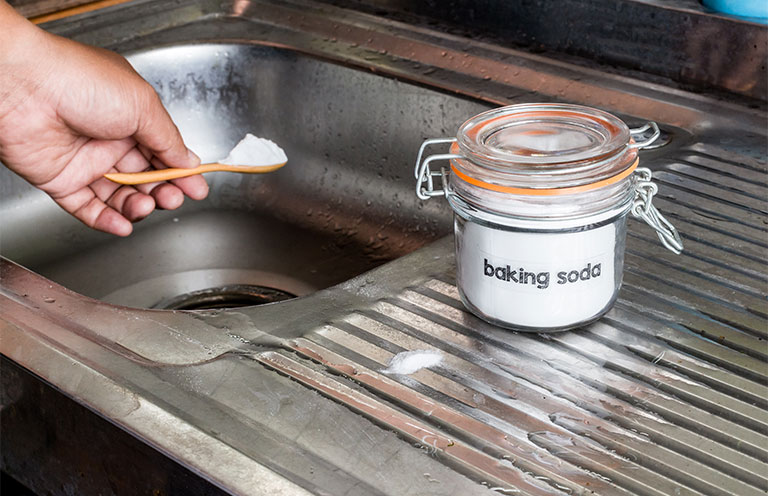
How to clean a garbage disposal
Once your unit is turned off and unplugged, start by cleaning any visible debris near the drain opening. Use tongs or pliers—never your hands to avoid the risk of personal injury.
Then, follow these simple steps:
- Add baking soda. Sprinkle in a half-cup of baking soda.
- Pour in vinegar. Slowly add a cup of white vinegar.
- Let it fizz. Allow the mixture to sit for five to 10 minutes. This mild, natural mixture loosens buildup and neutralizes odors—without the harsh chemicals that commercial drain cleaners can leave in your pipes and local wastewater system.
- Rinse. Flush everything away with hot water when done.
- Clean thesplash guard. Scrub the rubber splash guard with a small brush and a little dish soap.
For a quick freshen-up between deep cleans, toss in a handful of ice cubes with a few small citrus peels, such as lemon, orange, or lime. The ice helps knock loose buildup, while the peels leave behind a clean, bright scent.
If you'd rather skip the DIY route, enzyme- or oxygen-based disposal cleaning pods offer a solid alternative.
Daily habits that keep your garbage disposal healthy
Small habits can make a big difference. These two practices are key to keeping your disposal running smoothly.
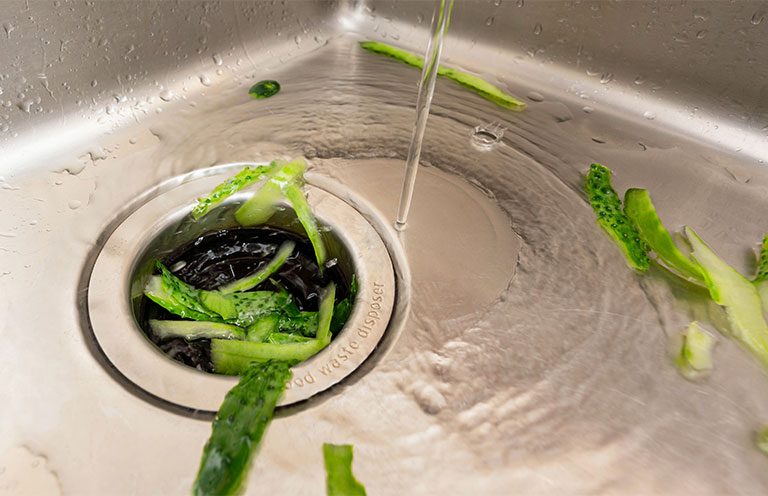
Run cold water before, during, and after use. Always turn on cold water before switching on the disposal, keep it running while grinding, and let it flow for at least 20 to 30 seconds after the grinding stops. This ensures food particles are fully flushed from the trap and pipes.
Feed scrapsgradually. Avoid overloading the disposal by adding food scraps slowly. Dumping everything at once can strain the motor and increase the risk of clogs further down the line.
How to fix common garbage disposal problems
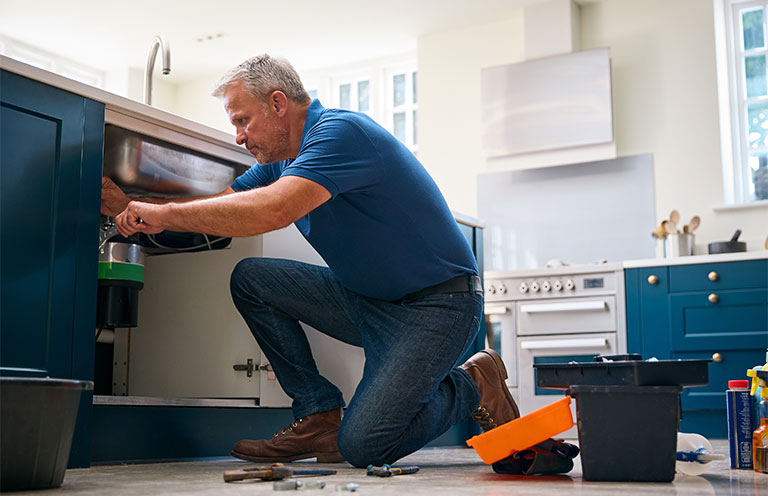
If your disposal suddenly stops mid-grind, turn it off and locate the small reset button on the bottom of the unit. Pressing it often restores power after a motor overload. Still not working? Check the outlet and circuit breaker to ensure the unit is getting power.
If it hums but doesn't grind, it’s usually a jam. First, unplug the unit or shut off the breaker. Then, using the Allen wrench that came with your unit (or a compatible quarter-inch hex wrench), insert it in the opening on the bottom of the unit, and then gently turn the motor shaft back and forth until the blockage clears.
Persistent odors usually come from trapped food in the splash guard or grinding chamber. A regular treatment with baking soda and vinegar, plus a good scrub of the splash guard flaps, should eliminate the smell.
However, if you notice repeated clogs, unusual metal-on-metal grinding sounds, or leaks, it's time to call a licensed plumber. Catching these signs early can mean the difference between a simple fix and a costly replacement.
When to repair or replace your garbage disposal
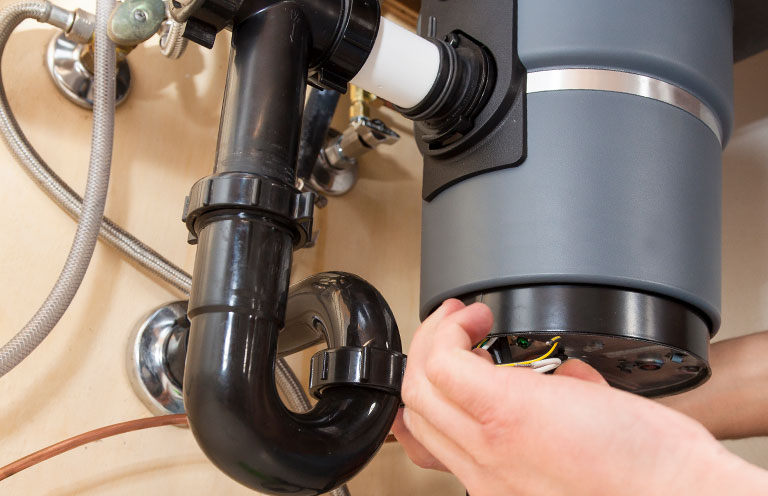
Depending on the model, how often it’s used, and how well it’s maintained, a garbage disposal typically lasts between eight and 15 years.
If your unit is less than 10 years old and the problem is minor—such as a jam, clog, or small leak—a repair usually makes sense. But if it's older and showing multiple problems, such as frequent resets, slow grinding, or leaks from the bottom of the unit, replacement is often the smarter long-term investment.
Proper care and maintenance can extend a garbage disposal’s lifespan closer to 15 years, according to the International Association of Certified Home Inspectors. That means the habits you build now can pay off over time.
The bottom line
Your garbage disposal doesn't ask for much: the right foods, cold water, and a quick cleaning every week or two. A few minutes of prevention now can mean fewer clogs, less odor, and more money staying in your pocket—and out of your pipes.