Closed-Loop Cruises: The Easiest Way to See the World Without a Passport
What you need to know about documents, destinations, cruise lines, and caveats
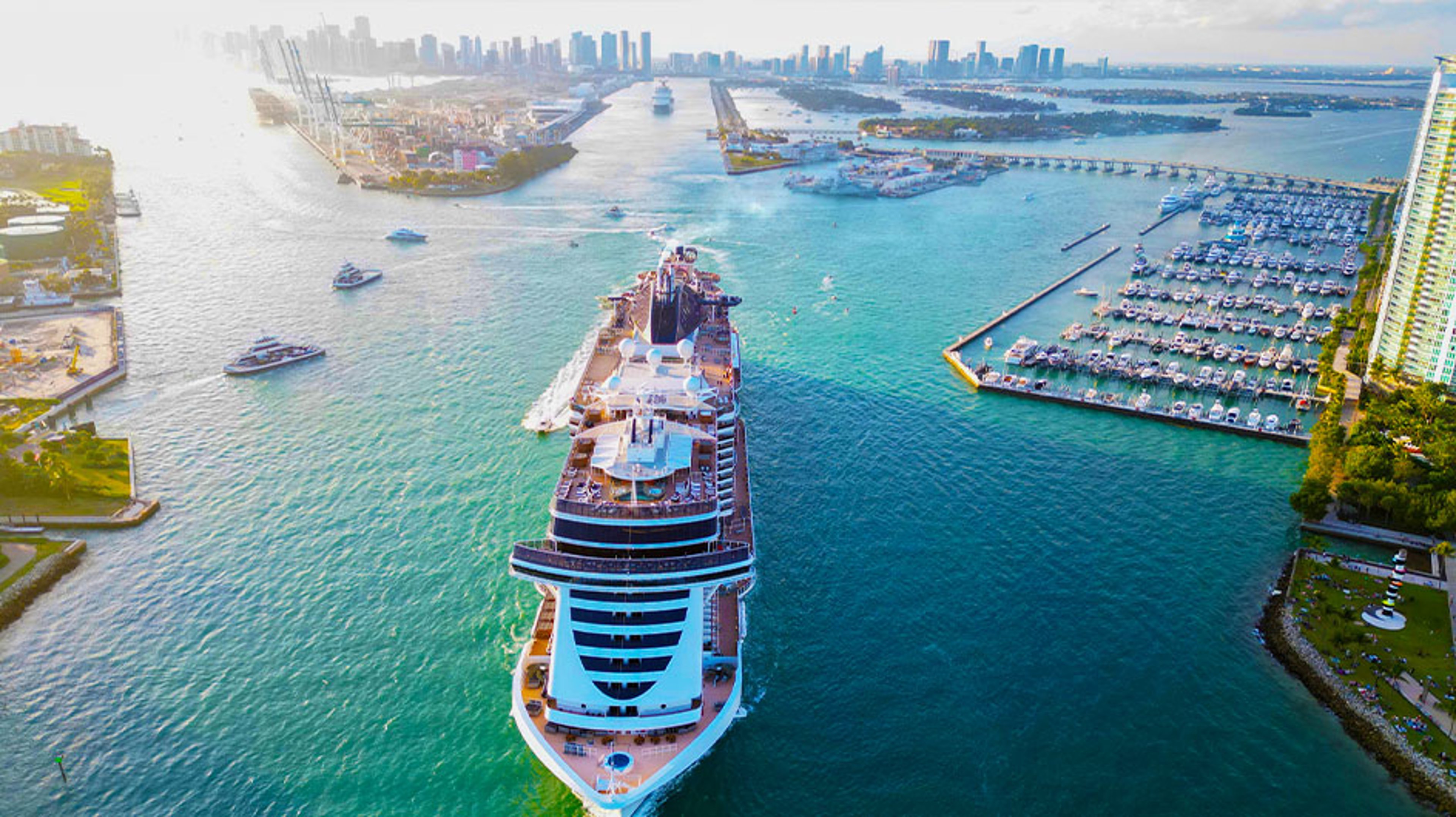


Dreaming of tropical beaches, pristine glaciers, or charming coastal towns—but your passport expired months ago? You might be surprised to learn that many travelers sail internationally each year without ever showing a passport. How? Closed-loop cruising.
A closed-loop cruise begins and ends at the same US port, which allows US citizens to visit certain international destinations using just a government-issued photo ID and an original or certified copy of their birth certificate.
Whether you're a spontaneous traveler, a first-time cruiser, or simply someone who forgot to renew their passport, closed-loop cruise itineraries can be a convenient solution. These voyages offer streamlined documentation requirements and the excitement of exploring multiple destinations.
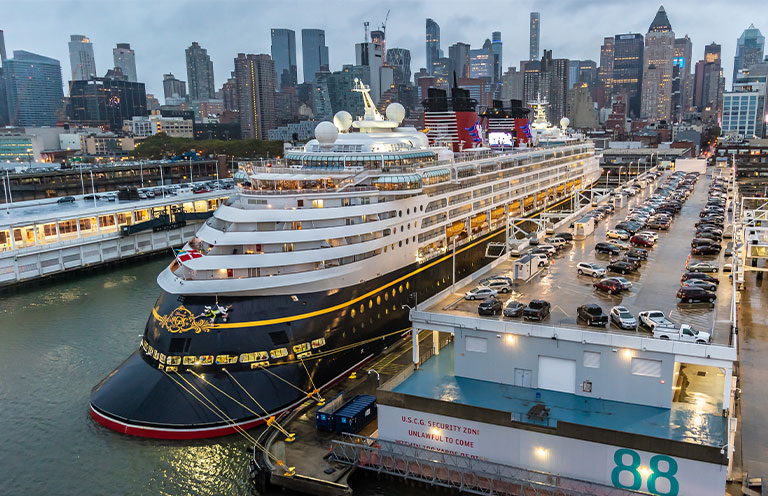
Closed-loop cruise itineraries
Most major cruise lines—including Royal Caribbean, Carnival, Viking, Princess, Celebrity, and others—offer a wide range of closed-loop cruise options throughout the year.
Popular departure ports include Miami, Port Canaveral, Galveston, New Orleans, Baltimore, Boston, New York, Seattle, and Los Angeles. From these hubs, closed-loop itineraries commonly sail to the Caribbean, Mexico, the Bahamas, Bermuda, Canada/New England, and Alaska.
According to US Customs and Border Protection, the policy allowing passport-free travel on these itineraries comes from the Western Hemisphere Travel Initiative, which aims to enhance border security while keeping reentry into the US more efficient for travelers.
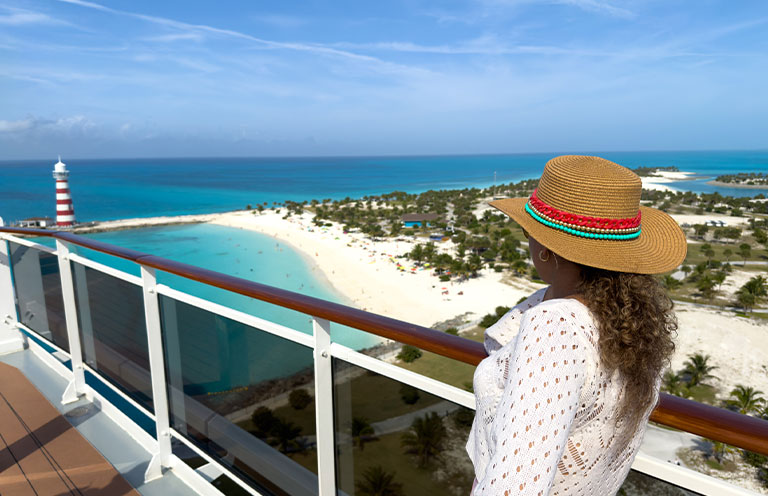
Benefits of a closed-loop cruise
Easy travel logistics and simple flight planning
Because closed-loop cruises begin and end at the same US port, the trip is far easier to coordinate. You don’t have to juggle one-way flights, complicated transfers, or separate arrival and departure airports. Most travelers book a simple round-trip flight—or drive—straight to the port, with no international connections or customs hassles on the way home.

Unpack once, explore multiple destinations
One of the biggest perks of any cruise—especially closed-loop cruises—is the need to unpack just once while visiting multiple destinations. These itineraries typically run from three-day getaways to weeklong adventures, often stopping at three to five ports.
Imagine falling asleep in the Caribbean and waking up somewhere entirely new—no hotel checkouts, no hauling luggage, and no coordinating transportation between cities. Common closed-loop itineraries include Western Caribbean (Cozumel, Grand Cayman), Eastern Caribbean (Puerto Rico, St. Thomas), and the Mexican Riviera (Cabo San Lucas, Puerto Vallarta).

World-class onboard amenities
Modern cruise ships blend resort-level comfort with innovative onboard experiences, turning the ship itself into part of the destination. Start your day with a custom-made omelet, tackle a rock-climbing wall or surf simulator, and then unwind with a spa treatment. Evenings bring gourmet dining, live music, Broadway-style shows, comedy acts, and themed events.
Meanwhile, kids enjoy supervised clubs designed just for them. Whether you’re into waterslides, pickleball, craft cocktails, or quiet ocean views, today’s cruises appeal to all ages and interests.
All-inclusive travel that alleviates stress
Closed-loop cruises shine in their simplicity. Because documentation requirements are lighter, many travelers enjoy a low-stress planning process—no passport appointments or renewal delays. Your accommodations, meals, entertainment, and transportation between ports are bundled into one package, making budgeting straightforward. English-speaking staff is available 24/7, and cruise-organized shore excursions take the guesswork out of exploring unfamiliar destinations.
Best of all, you return to the same comfortable stateroom each evening, with your favorite dining spots and onboard activities waiting for you.
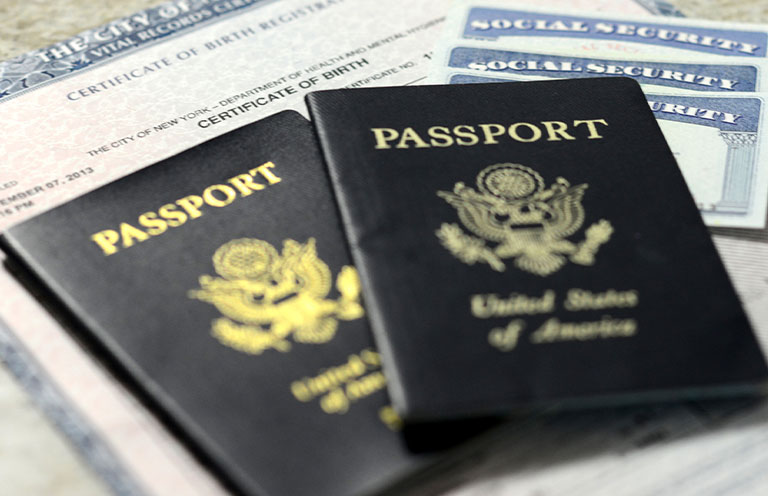
Required documentation for a closed-loop cruise
For US citizens sailing on closed-loop cruises, the following documents are typically accepted for reentry into the US for adults:
Original or certified copy of a US birth certificate
- (Ensure that your birth certificate is issued by a state's Vital Records office; hospital-issued certificates are not accepted.)
- This must be paired with one of the photo IDs below for travelers age 16 and older.
Government-issued photo ID
- Such as a driver's license or state ID for travelers age 16 and older.
Enhanced driver's license (EDL)
- Available only in certain states (Michigan, Minnesota, New York, Vermont, and Washington).
- An EDL proves both identity and citizenship, so no birth certificate is required.
US Passport Card
- Valid for land and sea entry from the Caribbean, Canada, Bermuda, and Mexico.
- Not valid for international air travel.
Trusted Traveler Cards
- Such as NEXUS, SENTRI, or FAST, where applicable.
For children:
- Children younger than 16 typically need only an original or certified US birth certificate.
Common mistakes:
A REAL ID driver's license alone is not sufficient.
Real ID verifies identity, but not citizenship. You must bring your birth certificate unless you have an EDL, Passport Card, or valid passport.
A passport book is still recommended.
While not required for closed-loop cruises, it’s the ONLY document that guarantees you can fly home from a foreign port in an emergency (such as an illness, a missed ship, weather disruption, etc.).
Name changes matter.
If your legal name has changed and doesn’t match your birth certificate, bring supporting documents—such as a marriage certificate or court order.

Additional considerations for closed-loop cruises
While US regulations allow alternate documents for closed-loop cruises, some Caribbean destinations—including Barbados, Martinique, Guadeloupe, Haiti, St. Barts, and Trinidad and Tobago—may still require passports for shore visits.
Most importantly, if an emergency requires you to fly home from a foreign port, a valid passport is mandatory for international air travel. Also, if you miss the ship while in port, you generally need a valid passport to rejoin the cruise.
Non-US citizens must carry a valid passport for all cruises, regardless of itinerary.
For these reasons, cruise lines strongly recommend traveling with a passport whenever possible. Always confirm documentation requirements with your cruise line before departure. Even though Americans don’t need a passport for closed-loop cruises, having one offers added flexibility and peace of mind.