


Key takeaways
- REAL ID, or another acceptable form of identification, is required for all domestic flights.
- Travelers who don’t comply with the new rules may face extra screening and fees.
- You can get a REAL ID through your state’s DMV by providing documents that verify your identity, Social Security number and address.
Starting February 1, 2026, travelers who arrive at a US airport security checkpoint without a REAL ID or an acceptable alternative form of federal ID (for example, a valid US passport or passport card, a permanent resident card, or a state-issued Enhanced Driver's License or identification card—to name a few) will be required to use a modernized alternative identity verification system—and pay a $45 fee to fly. This fee covers a 10-day travel period and must be paid online before arriving at the airport.
If you’re among the millions of Americans who haven’t obtained a REAL ID yet and plan to take a domestic flight soon, you’ll need to keep this fee in mind. Federal security standards now require REAL ID-compliant identification for domestic flights. Still, that doesn’t mean that you have to scrap your travel plans.
You can still fly without REAL ID as long as you’re prepared to pay the $45 verification fee or present one of the other federally accepted forms of ID. Please note that the list of acceptable forms of ID is subject to change at any time without notice, so TSA highly recommends that you check the list regularly before traveling.
You’ll also need to double-check with any federal facilities that you plan to visit to ensure that you have proper identification to enter a building where REAL ID is required for access.
Here are the five “W’s” of getting REAL ID, now that enforcement is in full effect.
What is REAL ID?
REAL ID is a federally mandated type of identification that meets enhanced security standards for state-issued driver’s licenses and ID cards. These IDs are designed to help prevent fraud and identity theft, with features such as facial recognition technology and anti-counterfeit markings.
Why get REAL ID?
As of May 7, 2025, you need a REAL ID-compliant driver’s license or another federally accepted form of ID (such as a passport) for flying domestically or accessing federal buildings. All states, the District of Columbia, and the five US territories (Puerto Rico, Guam, the US Virgin Islands, American Samoa, and the Northern Mariana Islands) are required to comply with REAL ID standards.
Who should get REAL ID?
REAL ID is recommended for most travelers—especially those who fly often or visit federal facilities regularly (including federal courthouses and military bases).
You can still use your regular state-issued driver’s license or ID card for day-to-day activities, such as driving, voting, and entering state or local government buildings. For domestic flights, you need only one valid form of ID: either a REAL ID or an acceptable alternative (not both).

Where can you get REAL ID?
Each state has its own process for applying for a REAL ID. Visit your local Department of Motor Vehicles or equivalent office with the proper documents.
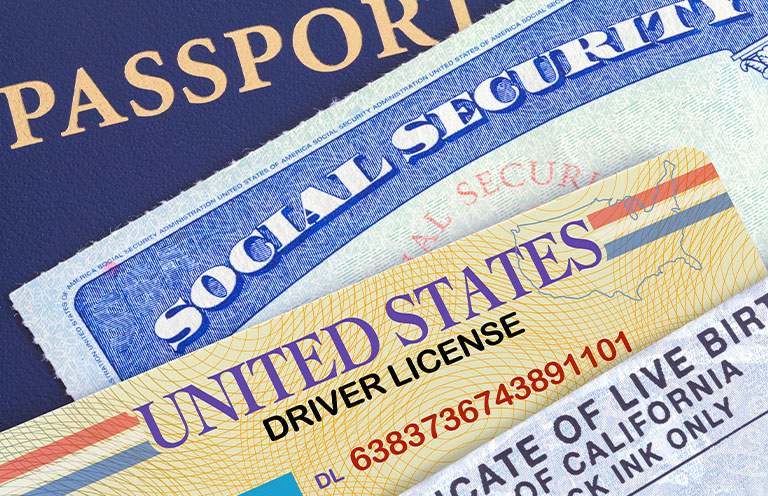
All locations will require the following documents for REAL ID:
- Full legal name: birth certificate or passport
- Date of birth: birth certificate or passport
- Social Security Number: your Social Security card or another official document containing the number (for example, your tax return)
- Two proofs of your current address: for example, utility bills, lease agreements, or bank statements
- Proof of lawful status: US passport, birth certificate, permanent resident card, or other documents that prove US citizenship or lawful immigration status
When should you get REAL ID?
Now that the deadline for REAL ID has passed, it’s best to get started on your application pronto to avoid any travel snags or added costs.
TSA continues to urge travelers to get their REAL ID (or an acceptable form of federal ID) as soon as possible to keep airport screening moving smoothly.