The New Loyalty Program Rules Every Traveler Needs to Know
From strategic partnerships to tailored perks to flexible rewards, travel brands are reinventing loyalty programs. Here’s how to make them work for you

Remember when earning loyalty points or reward miles was as simple as a dollar spent, a point earned or a mile flown, a mile earned? Today, you practically need a scorecard to navigate the complex paths to accruing points and redeeming travel or other rewards.
Travel loyalty programs are changing fast, mostly driven by Gen Z and Millennial travelers who tend to prioritize flexibility and experience-focused travel over traditional brand loyalty. Among them are self-proclaimed “travel hackers” who devote time to mastering the art of earning, transferring, and redeeming points from credit cards, airlines, hotels, and other companies to travel for less.
Here's how loyalty programs are evolving—and how to get more from your next trip.
A new era of loyalty programs
Co-branded credit cards for airlines and hotels have long been strong revenue drivers for travel brands and a primary way members earn perks and discounts. But loyalty programs are expanding beyond those traditional partnerships. Banks now offer travel-focused credit cards that give consumers more flexible ways to earn and redeem points—often across multiple airlines, hotels, and experiences rather than just one brand.
Jay Sorensen, president of IdeaWorksCompany, a consultancy that analyzes airline loyalty programs, points out that co-branded cards remain the best choice—with the richest perks—if you tend to stick with one airline or hotel brand. But for travelers who value flexibility, banks are closing the gap by offering comparable benefits, says Sorensen, adding that “bonus points can be accrued for travel on any airline when booked through the bank’s travel site.”
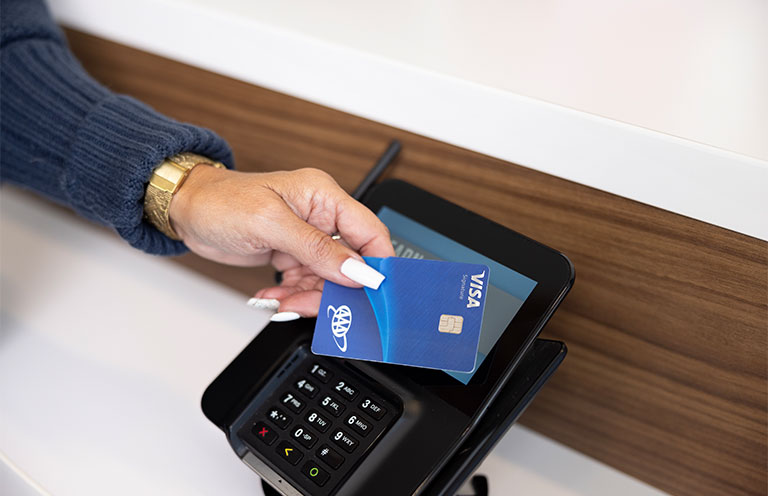
Cash back co-branded cards—such as the AAA Travel Advantage Visa Signature Card—add another layer of flexibility. These cards let travelers put money back into their travel budget for upgrades, activities, or unique experiences. Strategic partnerships, such as the Signature Card’s integration with AAA Vacations, can unlock added perks such as free airport transfers and discounts on tours.
How brands personalize loyalty programs
Personalization today is shaped largely by the data brands collect through their apps and by analyzing purchase patterns to tailor special offers to members. Marriott Bonvoy, for example, uses customer information to understand past behavior and provide targeted deals, such as discounts on preferred room types.
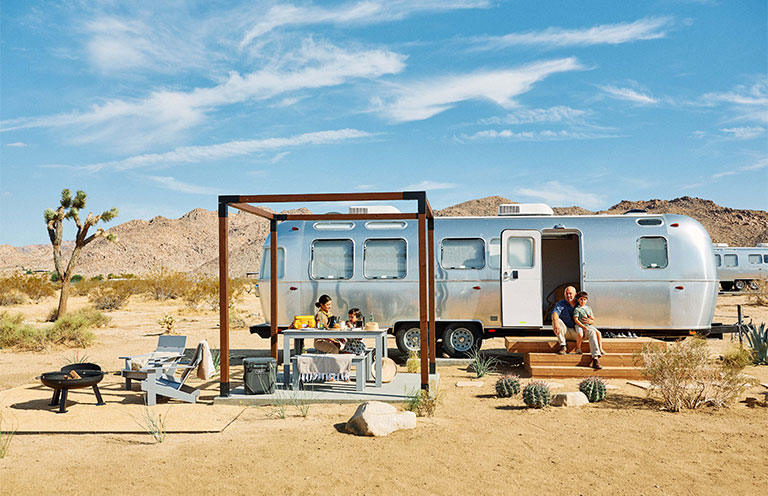
Hilton conducts its own trends research to help attract and retain Hilton Honors members. Its 2025 trends report found that 20 percent of travelers plan to pursue outdoor adventures this year, which, according to Brad Anderson, vice president of the Hilton Honors Program, led Hilton to partner with AutoCamp, which operates Airstream-centric resorts near national parks.
United Airlines, meanwhile, is leaning into its media network, Kinective Media by United Airlines, which connects brands and travelers using data from various sources to send targeted offers at relevant moments through its app and website—and even customizes the ads that appear on seatback screens to help travelers have a more seamless journey.
The challenge for brands now is keeping loyalty members consistently active.
“The classic loyalty marketing model was to have consumers aspire to big rewards and save longer to reach that goal,” Sorensen says. “The more recent model points to instant gratification.”
As a result, brands are prioritizing traveler preferences and crafting hyper-personalized offers, rewards, and content to keep members engaged.

How brands build loyalty through social media
As brands lean more heavily on personalization and instant gratification to keep travelers engaged, they’re also expanding how and where those messages reach consumers—especially across social platforms, where loyalty-building increasingly happens in real time.
Some of this personalized content now shows up through brand apps, social media, and YouTube—all designed to nurture loyalty.
Travel brands such as Delta Air Lines are using Instagram for new-route announcements, while Hyatt tells immersive, visually rich stories to inspire travelers through its World of Hyatt loyalty content on TikTok and Instagram.
Brands are also tapping influencers and creative partners to boost credibility. Best Western, for example, scored a viral hit last year with WeRateDogs—a social media brand with a massive dog-loving following and a reputation for doing good. Its TikTok video followed Stella, a rescue dog traveling 1,300 miles to her new home, making stops at pet-friendly Best Westerns along the way.
Delta is also leaning into values-driven engagement. The airline recently released its Elevate Your Status program, allowing eligible SkyMiles Members to pay to reach the next Medallion Tier for a limited time, with 100 percent of proceeds going directly toward sustainable aviation fuel.

Building emotional loyalty
Building an emotional connection with a brand is another key driver of loyalty, says Max Kenkel, customer loyalty and engagement solutions manager at ITA Group, which helps brands strengthen customer relationships. “If you feel that emotional connection to the brand, you're four times more likely to visit, spend, and give share to that brand,” he says.
Kenkel notes that value still plays a central role in loyalty programs. “If [brands] can get the value equation right, so there are functional and emotional benefits, you’re eight times more likely to visit them and give share to that brand. All the brands that I'm watching with their loyalty programs now, they're trying to crack the code.”
It all adds up to great news for travelers who benefit from more flexible rewards, more personalized opportunities, and more purchasing power for their travel dollars.