Sleeper Trains Are Back: The Rise of Overnight Rail Travel
A renewed love of slow, scenic travel—paired with private cabins, peaceful nights on board, and lower-emission journeys—is bringing sleeper trains back into the travel spotlight
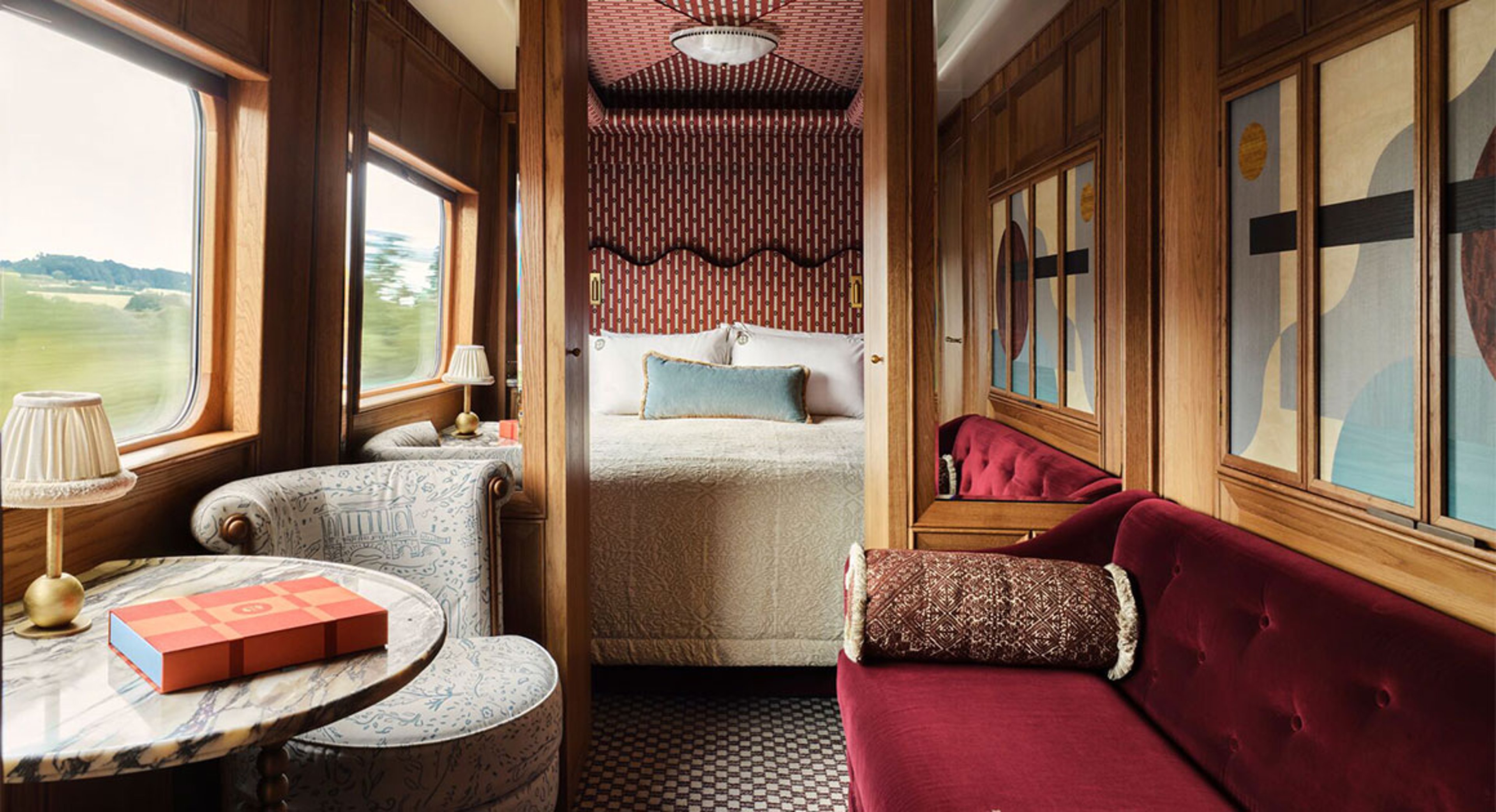

Sleeper trains may sound like something from a bygone era, but overnight rail travel is having a moment. After decades of shrinking service, rail providers across Europe and North America are reinvesting in long-distance service, thanks to renewed demand for a more scenic, relaxed, and sustainable alternative to traveling by car or plane.
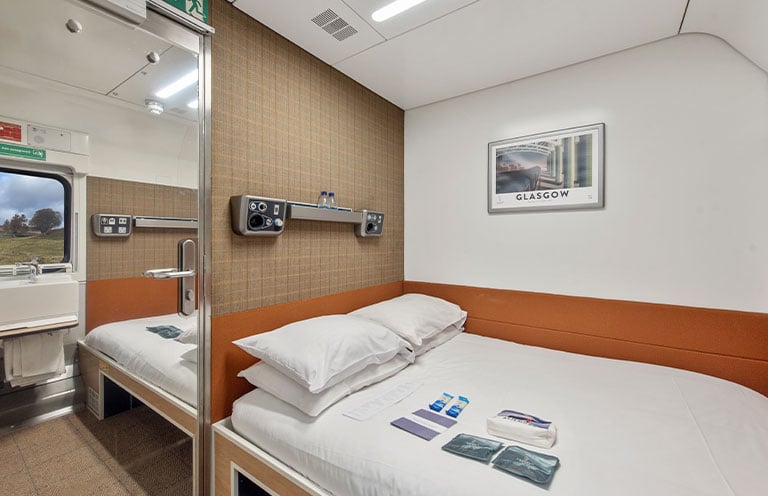
Sustainability and comfort drive the growing trend
Several forces are pushing overnight rail back into the spotlight. First, it aligns with a vacation style that’s gained momentum in recent years known as slow travel, a type of travel where the journey itself—not just the destination—is part of the experience. For travelers who value the journey rather than checking off a long list of destinations, relaxing in a private cabin, skipping airport crowds, and waking up in a new city holds undeniable appeal.
Sustainability is another major driver. According to a report from the European Environment Agency (EEA), rail travel generates significantly fewer CO₂ emissions per passenger-kilometer than flying—making sleeper trains an increasingly attractive choice for eco-conscious travelers. In fact, the report champions rail travel as “the best and most sensible mode of travel, apart from walking or cycling.”

Some European countries are even legislating this shift. In 2023, France enacted a law banning certain short-haul flights when a viable rail alternative exists—a move that supports investment by operators such as ÖBB, Austria’s national railway operator, which has invested major money into deploying a modern “new-generation” sleeper train fleet that includes mini-suites, private bathrooms, and family cabins.
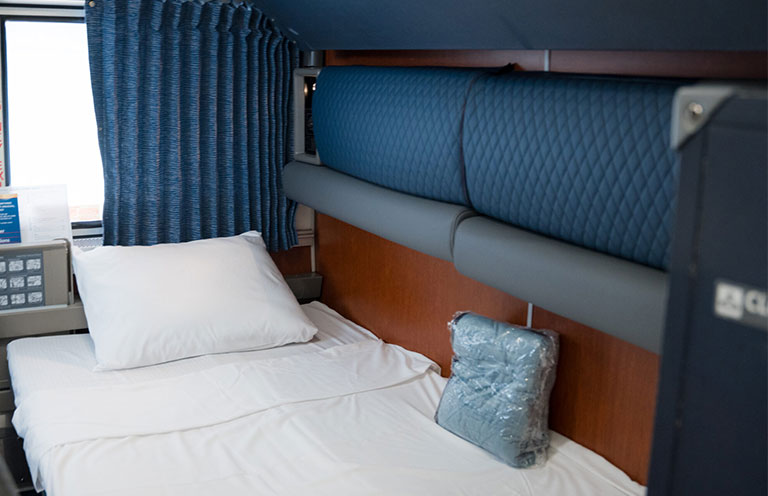
Similarly, US-based Amtrak has begun upgrading long-distance trains under a fleet-modernization program, refreshing sleeper cars with new interiors, bedding, lighting, and updated amenities.
The case for choosing train travel over driving or flying
Here are just a few reasons that train travel is proving to be a trend that’s here to stay.
A mix of comfort and efficiency
Instead of losing daylight to long drives or contending with airport lines, travelers board in the evening, settle into a cabin, and wake up ready to explore. Many long-distance trains offer dining cars, lounges, fold-flat beds, and other features designed to create a more restful night’s sleep than most overnight flights.
The charm factor
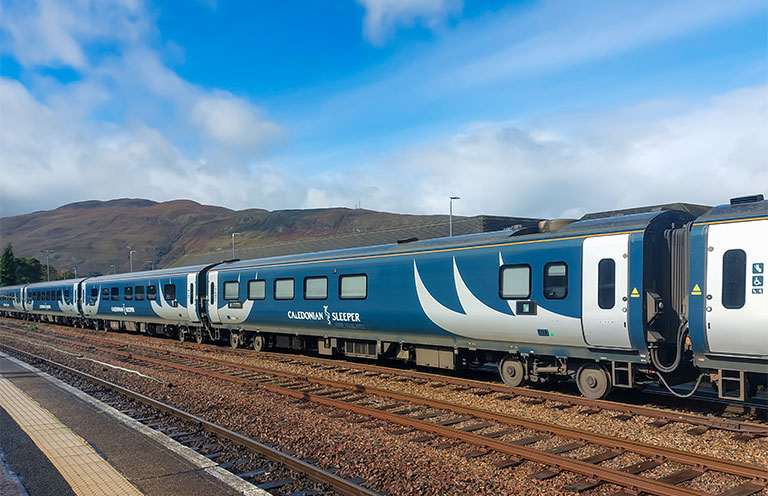
Panoramic routes such as the Caledonian Sleeper between London and Scotland or the Nightjet route connecting Vienna and Rome offer scenery that you’d never see from 30,000 feet. For families and couples, it can feel more like an adventure than a commute.
Potential savings
Cost varies widely by route, season, and cabin type, but sleeper trains can be surprisingly competitive, especially when you consider that an overnight journey effectively covers both transportation and lodging.
Built-in convenience
Rail stations sit in city centers, which means no long transfers or security lines. Travel time may be longer overall, but because it happens overnight, the “lost” hours feel far less disruptive than daytime travel.
Clear environmental
A 2023 Rail Delivery Group study found that train travel emits 10 times less carbon than similar journeys by car and 13 times less than equivalent air travel.
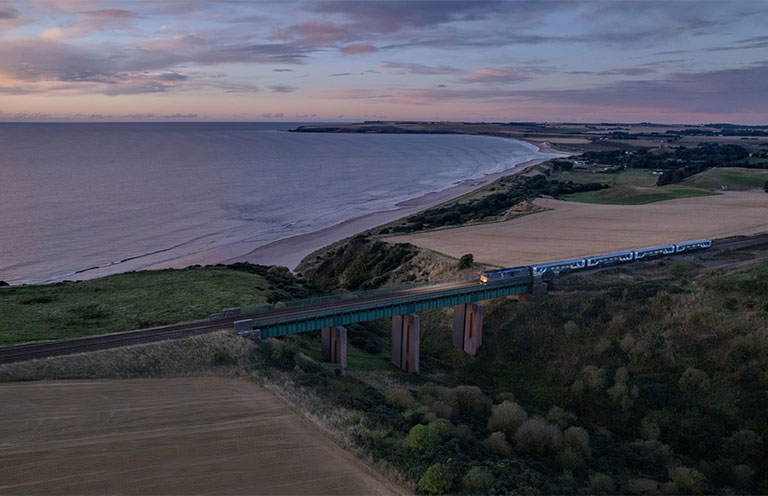
The hottest rail travel routes for 2026
Europe is a global leader in sleeper train revival and expansion. New or revived routes are launching throughout Austria, France, Italy, Germany, and Scandinavia, thanks to strengthened partnerships between national rail systems. These are some of the most in-demand European night-train routes:
- Baltic Express (Prague to Poland’s Baltic Coast)
- Britannic Explorer (London to Cornwall and Wales)
- Santa Claus Express (Helsinki to Finnish Lapland)
- Travelski Night Express (Paris to the Alps)
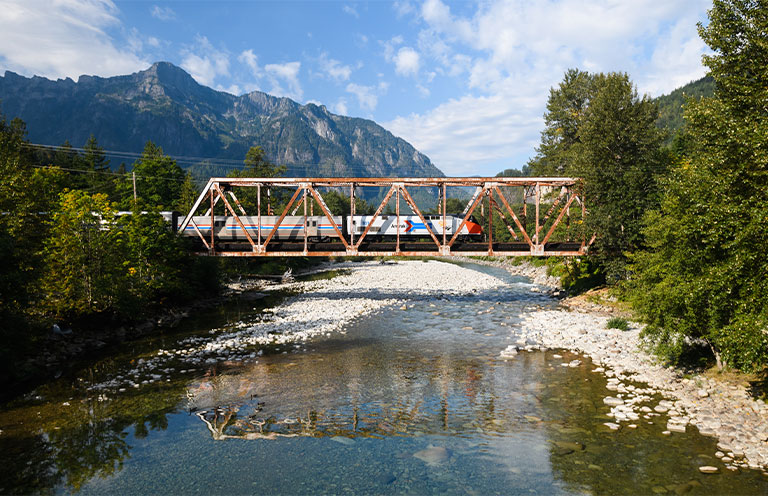
While sleeper trains aren’t expanding at the same pace in the US, interest in long-distance rail is rising. Amtrak’s long-haul lineup includes several popular options for travelers seeking overnight journeys:
- California Zephyr (Chicago to San Francisco)
- Coast Starlight (Los Angeles to Seattle)
- Empire Builder (Chicago to Seattle/Portland)
- Southwest Chief (Los Angeles to Chicago)
Meanwhile, planned fleet upgrades across the global industry suggest a slow but steady reinvestment in overnight rail travel, both stateside and abroad.
Sleeper trains vary by region, but booking early generally yields the best fares—especially on popular European routes. Cabin types range from simple couchettes to fully private en-suite rooms.
With expanding routes, upgraded cabins, and a focus on environmental responsibility, sleeper trains are no longer a thing of the past but a smart, modern way to travel overnight.